- Web
- 4 Hours ago
Scott Adams dies at 68: from ‘Dilbert’ fame to backlash, controversies and net worth
-

- Aasiya Niaz
- Jan 14, 2026
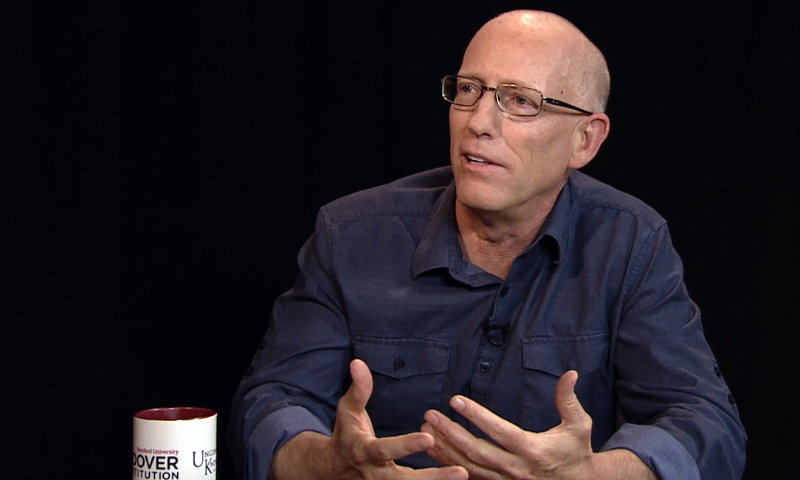
Scott Adams, the American cartoonist best known for creating Dilbert, has died at the age of 68 following a prolonged battle with prostate cancer that later spread to his bones.
His death was announced on Tuesday by his ex-wife, Shelly Miles, during a livestream of his YouTube programme Real Coffee with Scott Adams. In recent months, Adams had been receiving end-of-life care at home and had publicly acknowledged that recovery was unlikely.
At the time of his death, his net worth was estimated at around £16 million, according to multiple online financial trackers, largely built on the global success of Dilbert, the office satire he launched in 1989 while working at Pacific Bell.
Building the Dilbert empire
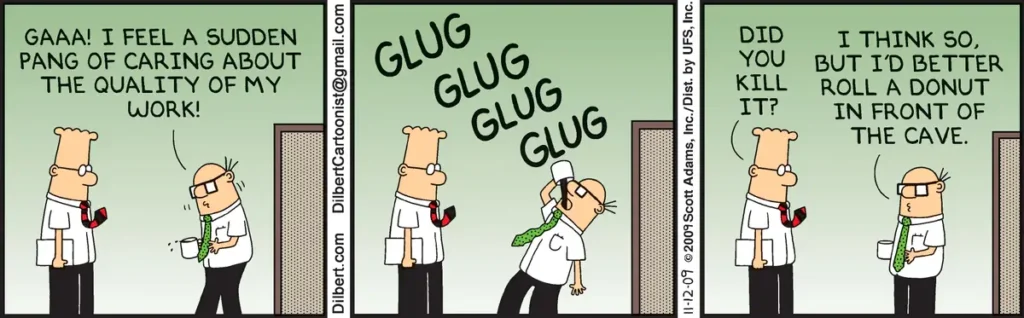
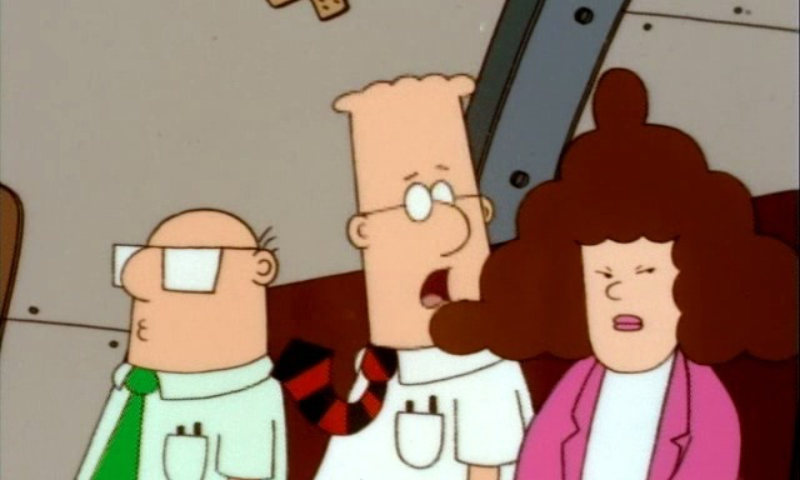
First published in newspapers in the late 1980s, Dilbert became one of the most widely syndicated comic strips in the world, running in more than 2,000 publications across 65 countries at its peak. The strip, known for skewering corporate jargon, clueless managers and workplace absurdities, grew into a cultural shorthand for office life.
The success of the strip expanded into bestselling books, an animated television series, calendars and a wide range of licensed merchandise. Adams won the National Cartoonists Society’s Reuben Award in 1997, along with several honours for newspaper comic strips.
Adams later said his first royalty cheque amounted to just a few hundred dollars, but book sales and syndication fees eventually turned the cartoonist into a multimillionaire. Not all ventures succeeded. A short-lived food business, including a vegetarian burrito product branded as the “Dilberito”, failed to gain traction.
Political prominence and public backlash
Adams’ public profile shifted in the mid-2010s when he began commenting extensively on US politics. In 2015, he predicted Donald Trump had a high chance of winning the presidency, arguing that commentators underestimated Trump’s persuasion skills. After Trump’s 2016 victory, Adams’ political commentary gained a significant following.
His online show, Coffee with Scott Adams, drew large audiences, and Trump frequently amplified his posts on social media. Adams later visited the White House in 2018.
That visibility came to an abrupt end in 2023, when Adams made remarks during a livestream that were widely criticised as racist. Several major US newspapers, including The Washington Post, the Los Angeles Times and USA Today, dropped Dilbert from their pages. His syndicator, Andrews McMeel, also cut ties, effectively ending the strip’s mainstream run.
Adams defended his comments at the time, saying they had been taken out of context and were intended as hyperbole. He later moved Dilbert to a subscription-based platform, but the mass-market syndication that had sustained his fortune was largely gone.
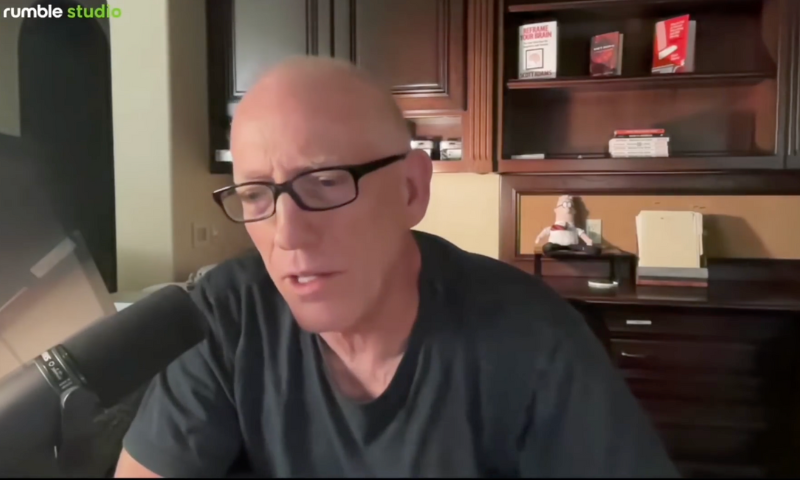
Tributes and final months
Following news of his death, former US president Donald Trump paid tribute on social media, describing Adams as “a fantastic guy” and praising him for his loyalty during politically divisive moments. Vice President JD Vance also issued a statement, calling Adams “a true American original”.
Adams revealed in May 2025 that he had been diagnosed with prostate cancer, which later metastasised to his bones. He spoke candidly with his audience about his deteriorating health, saying he was also dealing with heart complications and reduced mobility.
In his final months, he publicly appealed for access to experimental treatments and acknowledged that his condition was terminal. He entered hospice care in January 2026.
A complicated legacy
During the final episode of his podcast, Miles read a message Adams had written shortly before his death. In it, he urged listeners to “be useful” and to pay forward any benefits they had gained from his work.
How Adams is remembered may depend on which chapter of his life people focus on. For many, he will remain the cartoonist who perfectly captured corporate absurdity and turned Dilbert into a global cultural reference. For others, his later political turn and controversial remarks reshaped his reputation entirely.
Either way, Adams leaves behind a legacy that reflects both his enormous cultural reach and the polarising debates that defined his final years.
You May Also Like