
- Web Desk
- 12 Minutes ago
Senate panel okays bill empowering Nadra to block CNICs for two months
-

- Web Desk
- 2 Minutes ago
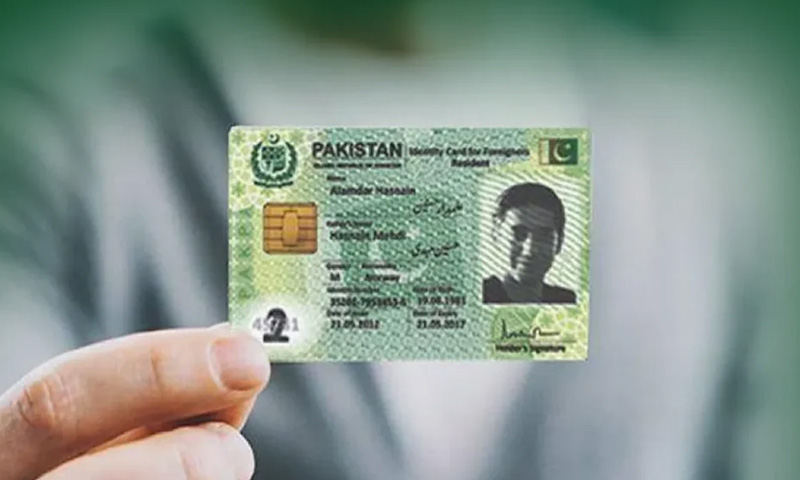
ISLAMABAD: The Senate Standing Committee on Interior has approved a government bill empowering National Database and Registration Authority (Nadra) to temporarily confiscate Computerised National Identity Cards (CNICs) for up to two months.
The proposed National Database and Registration Authority (Amendment) Bill, 2026 seeks to align the authority’s legal mandate with evolving national security needs. Officials told the committee that CNICs are a critical component of the country’s security infrastructure, and their misuse can pose risks to internal stability, the economy, and Pakistan’s global standing.
Currently, Nadra faces legal limitations in taking swift action against suspicious or fraudulent CNICs due to the absence of explicit statutory backing. The amendments are designed to address these gaps, particularly in cases involving individuals attempting to evade legal proceedings.
Safeguards and scope of new powers
Officials emphasised that the proposed powers would be exercised within a clearly defined legal framework. The amendments include procedural safeguards such as issuing written notices, providing individuals an opportunity to respond, and adhering to strict timelines.
The objective is to prevent misuse of CNICs while ensuring that citizens’ rights are protected. Authorities said the measures are narrowly defined and time-bound to avoid arbitrary action.
Nadra, which serves as Pakistan’s central citizen database and a key national infrastructure entity, plays a vital role in identity registration and service access across both public and private sectors.
Impact on services and enforcement
Under the new provisions, individuals whose CNICs are blocked or impounded may face restrictions on essential services, including banking, mobile SIM registration, travel, and access to government facilities.
Officials noted that the changes are particularly aimed at preventing absconders and offenders from using valid CNICs to continue financial or administrative activities while avoiding law enforcement.
During the meeting, concerns were raised about alleged cases involving Afghan nationals holding Pakistani CNICs, as well as reports of Pakistani citizens facing wrongful blocking. The committee directed authorities to investigate and resolve such issues promptly.
Nacta highlights counter-extremism measures
Separately, representatives of the National Counter Terrorism Authority (Nacta) briefed the committee on efforts to counter extremist narratives.
Officials said the organisation has shifted towards a proactive, intelligence-driven approach, analysing extremist content and producing counter-narratives through various platforms. A multi-layered prevention system involving 180 stakeholders has been implemented since late 2025, alongside collaborations with civil society and educational institutions to promote constitutional values among youth.
They added that Nacta has also worked to counter separatist narratives by highlighting democratic structures and socio-economic developments, particularly in Balochistan.
The committee also unanimously approved the Pakistan Penal Code (Amendment) Bill, 2026 without objections from the interior ministry.
You May Also Like