
- WEB DESK
- September 14, 2026
Seoul weighs participation in Trump’s ‘Project Freedom’ after hormuz explosion
-

- Sadia Basharat
- May 5, 2026
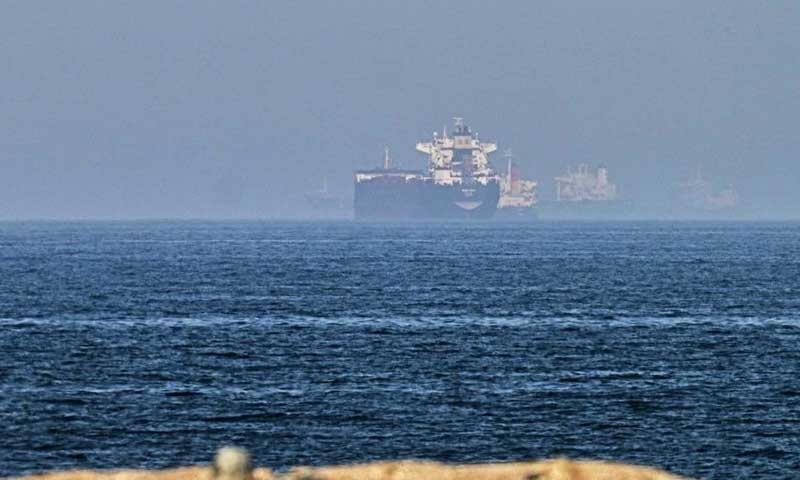
WEB DESK: South Korea’s presidential office is reportedly investigating the feasibility of joining President Donald Trump’s newly launched “Project Freedom,” a maritime initiative aimed at securing safe passage through the volatile Strait of Hormuz.
The internal review follows a direct call from the US President for Seoul to “join the mission” after a South Korean-operated vessel was damaged in a suspicious explosion on Monday.
The incident involving the HMM Namu, a 35,000-tonne cargo ship, has reignited regional tensions. While the vessel’s operator confirmed the 24 crew members are safe and the fire has been extinguished, President Trump was quick to attribute the blast to an Iranian attack, using the event to pressure allies for greater naval cooperation, according to Reuters.
A tense review in Seoul
Sources within the Blue House indicate that the South Korean government is carefully weighing the risks of a formal military commitment.
While the presidential office is under pressure to protect its commercial interests with at least 26 South Korean-flagged vessels currently stranded in the region officials are wary of being drawn into a direct confrontation.
“The exact cause of the accident will be determined once the vessel is towed and damage is assessed,” a Foreign Ministry spokesperson stated, maintaining a more cautious tone than the White House.
Nonetheless, the Ministry of Oceans and Fisheries has already issued directives for all South Korean ships in the area to relocate to safer waters as the “Project Freedom” framework begins its initial phase of guiding neutral vessels out of the waterway.
Navigating the ‘Project Freedom’ Mandate
President Trump’s initiative, which he described on social media as a “humanitarian gesture,” seeks to provide US-led naval guidance for ships trapped by the ongoing Middle Eastern conflict.
However, the proposal has met with immediate pushback from Tehran, with Iranian officials labelling the operation “Project Deadlock.”
For Seoul, the decision is a complex diplomatic balancing act. While South Korea relies heavily on the Strait for its energy imports, a formal entry into the coalition could jeopardise its delicate diplomatic channels with Iran.
Reports suggest that South Korean officials may seek a UN mandate or a broader global coalition before committing naval assets, ensuring that any participation is viewed as a peacekeeping effort rather than a provocative military shift.
You May Also Like


- WEB DESK
- September 14, 2026
Petrol price rises by Rs4.42, diesel by Rs6.10 per litre

- WEB DESK
- September 14, 2026