- Web Desk
- 3 Minutes ago
Shift in strategy: Indian refiners reduce Russian oil imports amid US trade push
-

- Web Desk
- Feb 09, 2026

WEB DESK: In a major shift for global energy markets, Indian refiners have reportedly begun shunning Russian crude oil for April deliveries. This strategic withdrawal is seen as a key move to facilitate a landmark trade pact with the United States, according to industry sources.
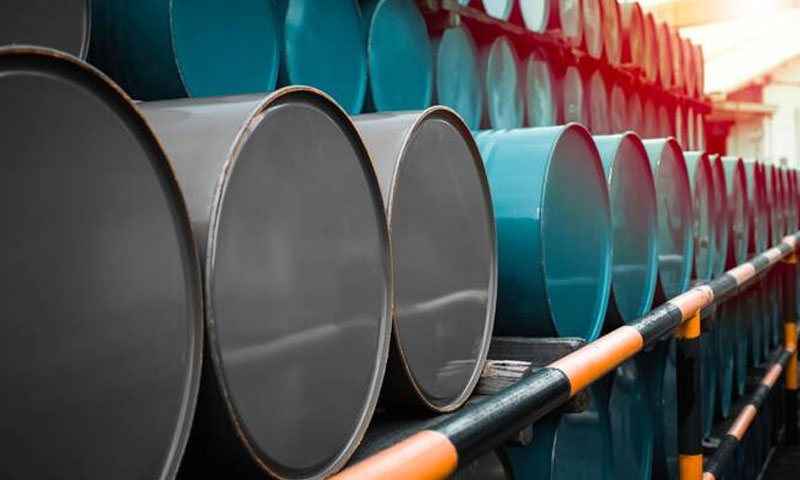
According to Reuters, major oil companies, including Indian Oil Corporation (IOC), Bharat Petroleum (BPCL), and Reliance Industries, have reportedly declined offers from traders for Russian oil scheduled for loading in March and April. While some existing commitments for March will still be honored, the broader trend indicates a significant halt in new acquisitions.
The “Oil for Trade” Dynamic
The pivot coincides with a new framework for a bilateral trade agreement announced by the US and India late last week. The deal, which negotiators aim to finalise by March 2026, focuses on slashing tariffs and deepening economic integration.
Although the official joint statement did not explicitly mention Russian energy, US President Donald Trump recently rescinded a 25percent tariff on Indian goods that had been previously imposed as a penalty for India’s continued purchase of Russian oil. Trump stated that the relief was granted because New Delhi had “committed to stop directly or indirectly” buying from Moscow.
Balancing Energy Security and Diplomacy
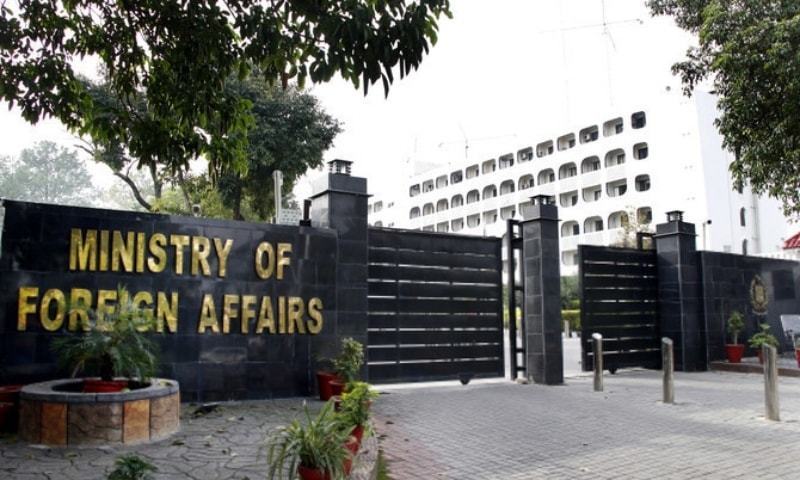
While the shift is evident on the ground, the Indian government has maintained its trademark diplomatic ambiguity. A foreign ministry spokesperson emphasised that “diversifying energy sourcing” remains the core strategy to safeguard the energy security of the world’s most populous nation.
Historically, India became the primary destination for discounted Russian seaborne crude following the 2022 invasion of Ukraine. However, recent data shows a steady decline in these volumes, with imports expected to drop below 1 million barrels per day (bpd) by March, a sharp decrease from the 2025 peak of over 2 million bpd.
Turning Toward New Suppliers
To fill the looming supply gap, Indian refiners are increasingly looking toward the Middle East, Africa, and potentially the United States and Venezuela. Analysts suggest that the transition is part of a broader effort to insulate the Indian economy from US sanctions pressure while securing preferential trade status with Washington.
Despite the report, some exceptions remain. Nayara Energy, which is partially owned by Russian interests and currently under EU sanctions, may continue importing Russian crude as its alternative sourcing options remain limited.
You May Also Like