
- WEB DESK
- September 16, 2026
Sindh lifts closing time restrictions for markets, businesses
-

- Zafar Ali
- May 16, 2026
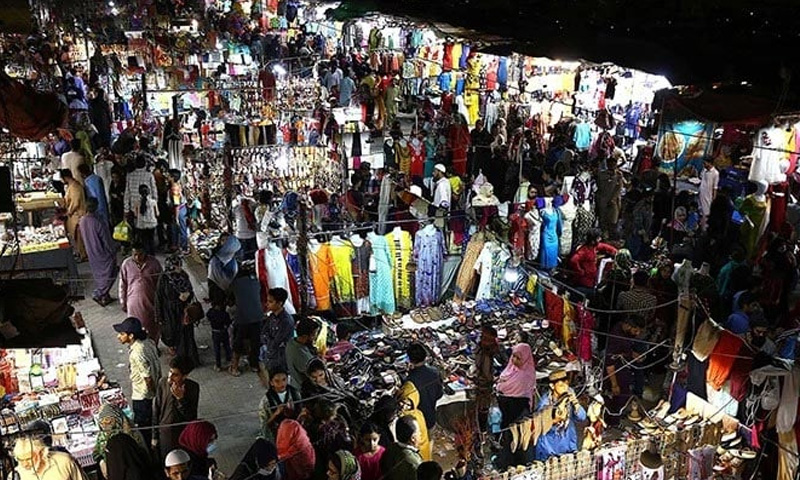
KARACHI: The Sindh government has withdrawn restrictions on business operating hours across the province, allowing markets, shopping malls, restaurants, hotels and marriage halls to operate without fixed closing times.
Senior Sindh Minister Sharjeel Inam Memon announced the decision on his official social media account X, saying it was taken after considering feedback and difficulties faced by traders and industrialists.
“All shops, markets, shopping malls, hotels, restaurants, food outlets, marriage halls and marquees are hereby exempted from the closure timings,” he said, sharing a notification issued by the provincial Home Department.
He said business centres would now operate under normal hours without restrictions, adding that the decision reflected the government’s commitment to economic growth, public convenience and support for the business community.
“The business community is the backbone of the economy,” Memon said, adding that the government would continue to take measures to address traders’ concerns.
Business hours were previously restricted under energy conservation measures introduced amid rising fuel prices following global energy market volatility.
Under the earlier policy, shops and markets in non-divisional districts were required to close at 8pm, while those in divisional headquarters were allowed to operate until 9pm. Essential services such as pharmacies, bakeries, milk shops, hospitals and fuel stations were exempted.
The provincial government said the restrictions had been part of a broader austerity and energy-saving strategy aligned with federal conservation measures.
Officials said the decision to lift the restrictions was made after consultations with stakeholders, including representatives of the business community. The Sindh government said it remained committed to facilitating economic activity while balancing energy management needs, and would continue to review policies based on g
You May Also Like
- Reuters
- September 16, 2026
Saudi-led coalition says it destroyed Houthi drone near Makkah
- Reuters
- September 15, 2026
Trump administration plans $2.8bn munitions sale to Israel, sources say

- WEB DESK
- September 15, 2026
