
- Aasiya Niaz
- 4 Minutes ago
Sindh orders two-day school closure, approves austerity steps
-

- Web Desk
- Mar 10, 2026
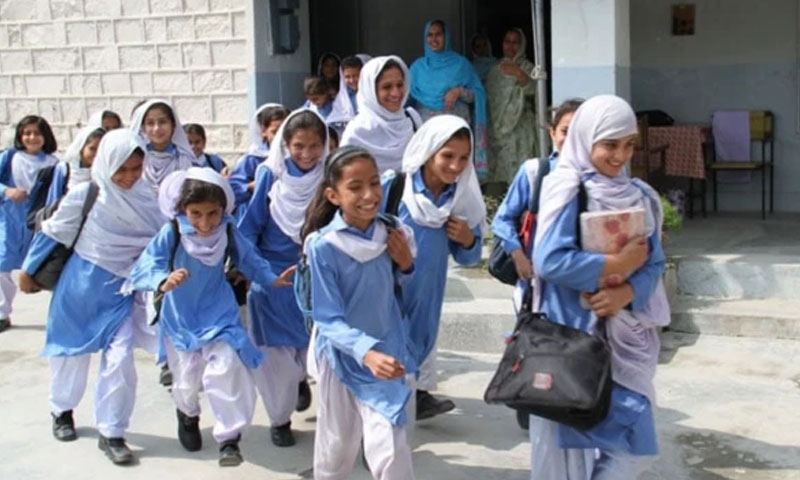
ISLAMABAD: The Sindh government has ordered schools to close for two days and introduced an additional weekly holiday for government offices as part of austerity measures approved by the provincial cabinet.
The decisions were taken at a cabinet meeting chaired by Chief Minister Murad Ali Shah, provincial minister Sharjeel Inam Memon said.
Under the decision, educational institutions across Sindh will remain closed from March 16 to March 31, though scheduled examinations will not be postponed.
As part of cost-cutting measures, government offices will operate four days a week, with employees working from home on Fridays.
The cabinet also approved a 50 per cent reduction in fuel expenses for government institutions and banned official iftar gatherings.
Shah, provincial ministers, advisers and special assistants have also decided not to draw salaries for three months, Memon said.
The cabinet approved additional funding of $7.6 million, or about Rs2.14 billion, for the construction of the Hassan Suleman Memorial Hospital in Malir.
Officials said the additional funds were required due to a roughly 30 per cent rise in construction costs and an increase in the size of the land allocated for the project.
The 312-bed hospital, located on the National Highway, is expected to provide modern healthcare facilities to residents once completed.
The cabinet also approved the Sindh Women Agricultural Workers Rules 2026, which aim to provide legal protection to female farm workers, including equal wages, maternity benefits and safeguards against harassment and discrimination.
Under the plan, the government will introduce the Benazir Women Agricultural Workers Card and establish a Rs500 million endowment fund to support the welfare of female labourers. Violations of the rules will be tried in labour courts.
In addition, the cabinet approved a Student Attendance Monitoring and Redress System (SAMRS) policy, which will use a mobile application and digital dashboard to record student attendance and enrolment data across schools in the province.
Officials said that the system was designed to reduce absenteeism and school dropout rates and would be implemented in all schools across Sindh within a year.
The cabinet also reviewed proposed amendments related to special economic zones and opposed the creation of “executive zones” and “executive NOCs”, saying such measures could undermine provincial authority.
However, it supported the establishment of a Special Economic Zones Appellate Tribunal, which would be required to decide cases within three months to ensure investor confidence and legal certainty.
You May Also Like