- Web
- 13 Minutes ago
Sindh’s ‘Borendo’ makes it to UNESCO heritage list
-

- Web Desk
- Dec 10, 2025
WEB DESK: Sindh’s centuries-old folk instrument, the Boreendo, has been officially inscribed on UNESCO’s List of Intangible Cultural Heritage, Pakistan’s High Commission in India confirmed on Thursday.
The decision was announced during the 20th session of UNESCO’s Intergovernmental Committee for the Safeguarding of Intangible Cultural Heritage, currently under way in New Delhi.
Speaking about the inscription, Shoaib Sarwar, First Secretary at the Pakistan High Commission, described the Borindo or Borendo/Bhorrindo as a “living echo of the 5,000-year-old Indus Valley civilisation,” noting that its survival reflects the region’s deep creative impulses and cultural continuity.
He said the inclusion of the boorindo is both an acknowledgement and a celebration of Pakistan’s cultural traditions and their contribution to shared human heritage.
According to officials, the recognition is expected to help preserve and promote the instrument, which has been played for generations by rural communities across Sindh as part of their musical and oral traditions.
What is a Boreendo?
Rooted in Sindh’s deep cultural and historical traditions, the boreendo carries a nostalgic charm, its gentle notes evoking memories of a simpler era.
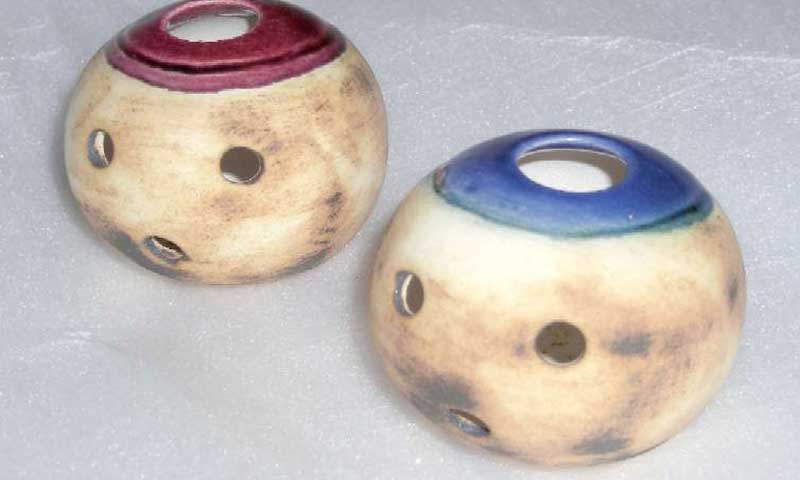
Crafted from soft alluvial clay, the instrument goes by Bhorrindo in Kutch and Borrindo or Borendo across Sindh. It belongs to the ocarina family, a type of vessel flute. Shaped as a hollow clay sphere, it typically features three to four holes set in an isosceles triangle. Players blow across the main opening to create sound, while the smaller holes are covered or uncovered with the fingertips to produce different notes.
Over the years, however, the boreendo has faded from popular use. According to Geo News that only a handful of people still know how to play it, saying the number has become “small enough to count on your fingers.”
Despite its declining presence, the boreendo remains an enduring and treasured symbol of Sindh’s musical heritage.
You May Also Like