- Web Desk
- Mar 18, 2026
Sovereignty, diplomacy, and force: of ‘response’ during pro‑Khamenei protests
Last week following the death of Iran’s Supreme Leader Ayatollah Ali Khamenei, a charged crowd barged through US Consulate in Karachi, which led to the loss of at least nine lives. While many decided to view this incident in isolation, it needs to be understood that this is not just about some section of law being argued in courtrooms. Rather, it exposes the deep divisions within; Pakistan’s international outlook versus how ordinary Pakistanis feel about geopolitical developments.
While legal experts may point to the Vienna Convention on Diplomatic Relations and its principle of “functional immunity”, which allows diplomatic staff and their security teams to perform official duties without fear of prosecution by local authorities, the core issue runs deeper. At its heart lies a widening gap in accountability and a gradual erosion of Pakistan’s sovereignty.
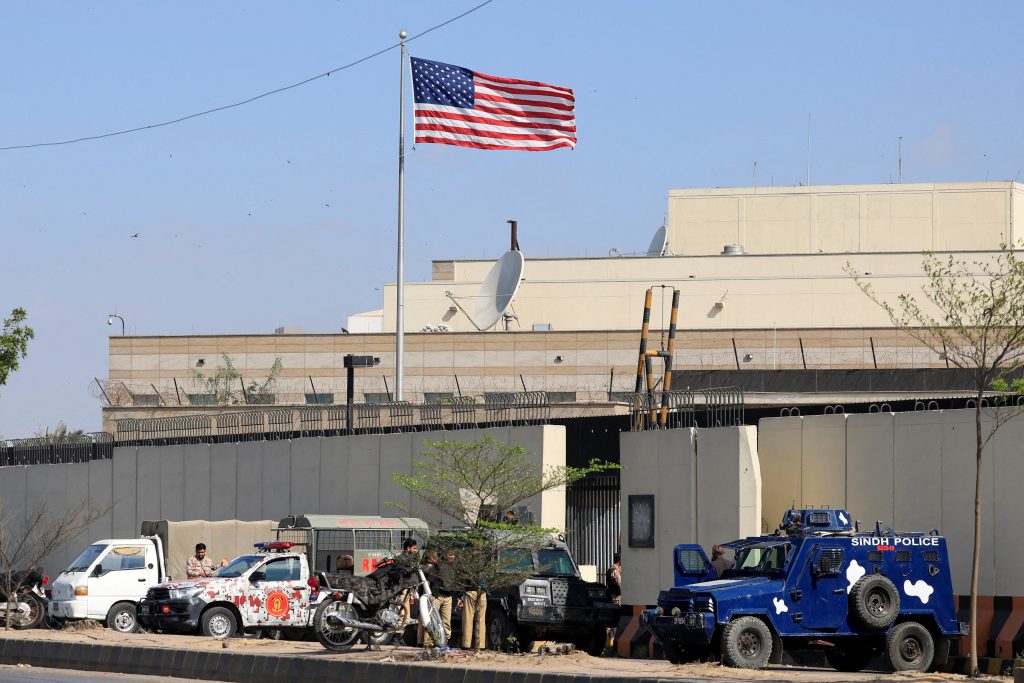
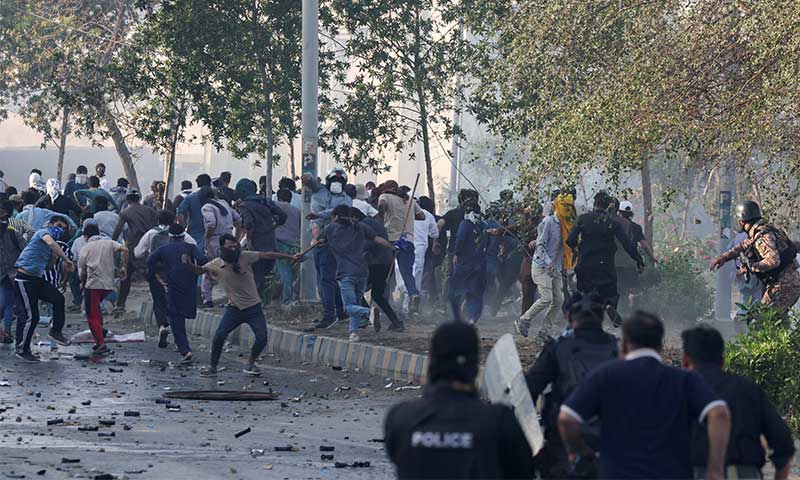
Following the news of assassination of Khamenei, people took to the streets in a large procession, marching toward the consulate in unison. As the crowd broke through the outer perimeter, US Marine security guards opened fire, resulting in multiple deaths. But this was not a routine law-and-order situation. What unfolded was far more serious: armed foreign personnel on Pakistani soil using lethal force. That moment fundamentally altered how many people viewed diplomatic security arrangements and raised deeper questions about authority, accountability and sovereignty.
The idea of functional immunity (historically a principle that lets diplomats get on with their work without interference) can sometimes mean that those in power get to act with absolute impunity. The more we rely on these “immunity” deals, the more they reinforce the old notion that some countries (and their allies) get to be in charge – rather than fostering real co-operation.
A sovereign country must draw clear lines, stressing that diplomatic immunity cannot be more important than human life, or the right of local authorities to decide how to handle force, on their own soil.
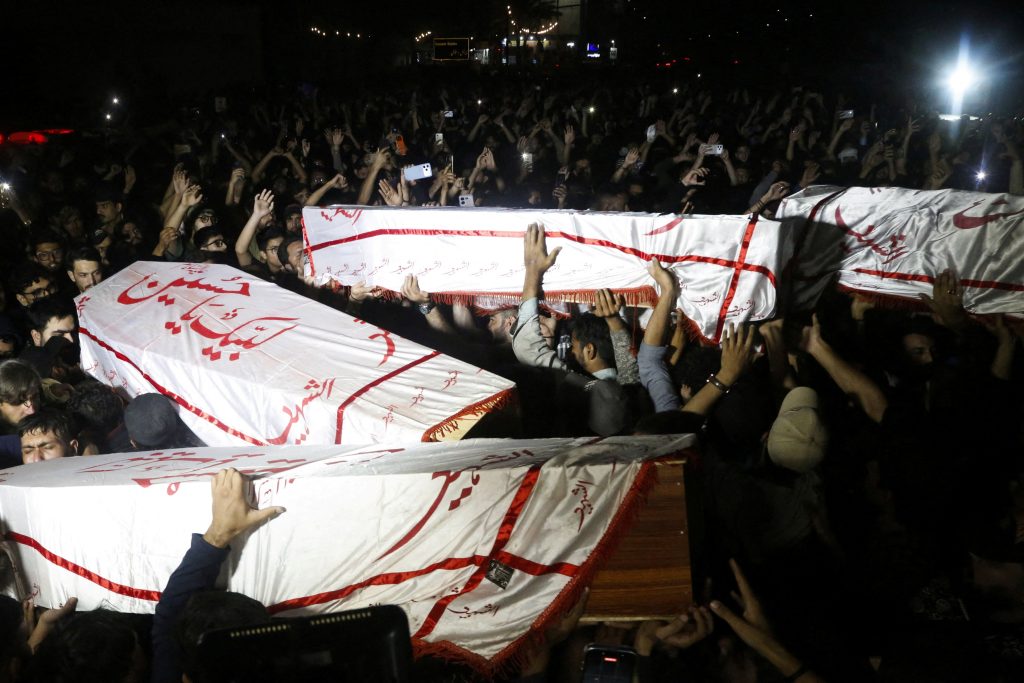
The Foreign Office has, once again, remained conspicuously silent. This is the same institution that appeared unmoved during the Raymond Davis case, when a US contractor who shot and killed two men was granted diplomatic immunity, a decision that triggered widespread public outrage and severely strained US-Pakistan relations.
Now, history seems to be repeating itself.
Successive governments continue to prioritise “strategic stability” over transparency and accountability, allowing controversial immunity arrangements to persist. When investigations remain closed and outcomes are kept from the public, it only deepens mistrust and reinforces the perception that ordinary citizens have little say over what happens within their own country.
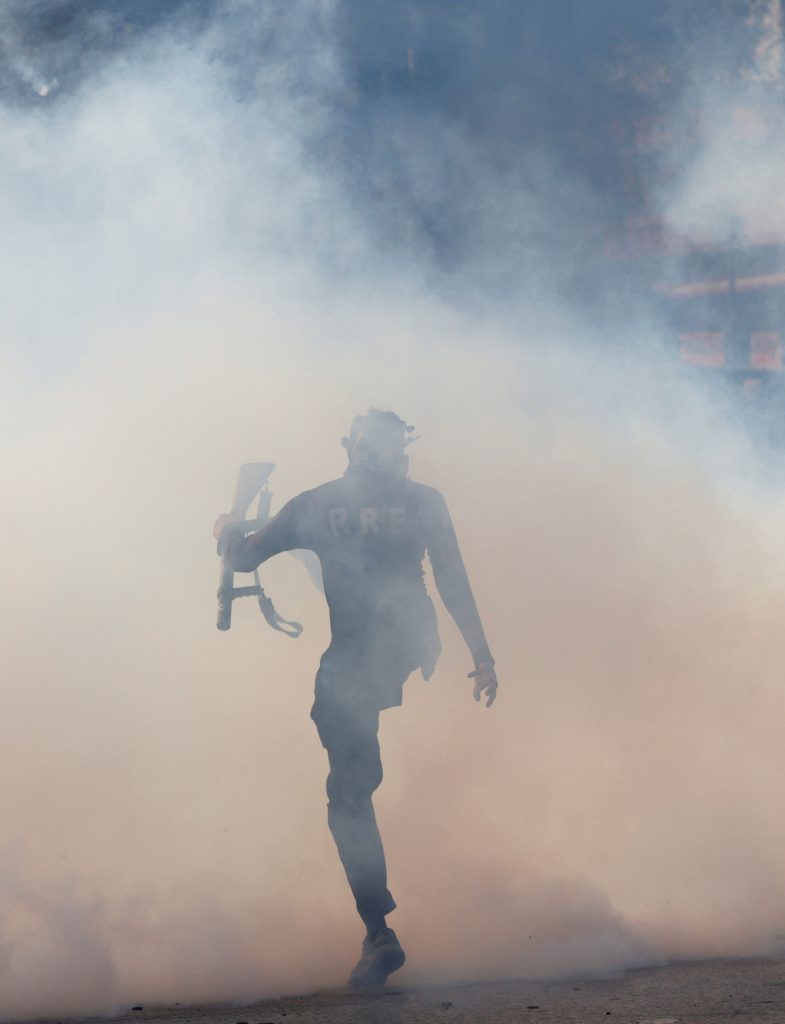
The incident represents the fragility of security arrangements surrounding foreign missions in Pakistan. When local authorities are perceived as unable to effectively manage threats, foreign security personnel may use the excuse of compulsion and intervene themselves, a situation that can quickly escalate with tragic consequences. Ultimately, such episodes raise fundamental questions about authority and accountability, and about who truly has the final say over the use of force on Pakistani soil, especially against whom.
Pakistan can no longer rely on decades-old security agreements from the 1960s.
Modern arrangements are needed: ones that are transparent and clearly define what is permissible in response to threats. If a foreign security agent causes a death, there must be a proper investigation, ideally conducted by an impartial tribunal, whether local or jointly with other countries, rather than leaving accountability to a distant military review abroad.
Incidents like the one in Karachi show that justice requires more than diplomatic maneuvering. When the rules protect one side and fail to give victims a path to redress, fairness is compromised and public resentment grows. Only by creating frameworks that prioritise human dignity alongside security can Pakistan begin to prevent these cycles of tragedy.
You May Also Like