
- WEB DESK
- 8 Minutes ago
Spain’s $50mln World Cup prize faces IRS tax after US-hosted tournament
-

- WEB DESK
- 3 Hours ago
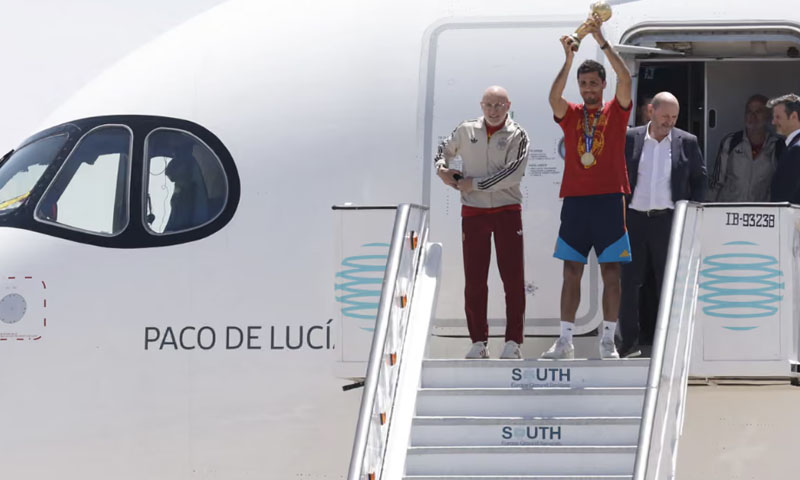
WEB DESK: Spain’s FIFA World Cup triumph could come with tax implications as the United States Internal Revenue Service (IRS) may impose taxes on tournament-related income generated from activities carried out on American soil.
Spain secured the FIFA World Cup title and a $50 million prize, but part of the earnings linked to the tournament could be subject to US federal tax rules because the 2026 edition was jointly hosted by the United States, Canada and Mexico, with several key matches taking place across US venues.
According to IRS guidance, foreign individuals and organisations participating in World Cup-related activities may have US tax obligations on income earned from work or services performed within the United States.
Foreign participants covered under the rules may include football players, coaches, team officials, performers, media professionals and businesses providing services connected to the tournament. Even if their stay in the US is temporary, they may still be liable for taxes on qualifying income generated during their activities in the country.
However, the IRS will not automatically deduct a fixed percentage from Spain’s entire $50 million FIFA prize. The final tax liability would depend on several factors, including how much of the income is considered US-sourced, FIFA’s payment arrangements, applicable tax treaties and how the prize money is distributed internally by Spain’s football authorities.
World Cup prize allocation among host nations
Tax authorities from the three host countries, the United States, Canada and Mexico, have developed a framework to determine how tournament-related compensation is allocated. The distribution is expected to consider factors such as the number of matches played in each country and the location where related activities took place.
Since a significant portion of the 2026 World Cup was staged in the United States, some tournament-related earnings may fall under US taxation rules.
Spain-US tax treaty could reduce liability
Spain’s existing tax treaty with the United States may also affect the final amount payable. The agreement could provide relief or adjustments depending on the nature of the income and the circumstances of individuals or organisations receiving payments.
While Spain’s World Cup victory represents a historic sporting achievement, the financial outcome of the triumph could involve tax considerations as international sports events increasingly generate revenue across multiple jurisdictions.
The final amount, if any, owed to US tax authorities will depend on the classification of income, FIFA’s distribution process and the application of international tax agreements.