- WEB DESK
- August 24, 2026
Stop trading on ‘vibes’, Iran’s Ghalibaf tells nervous markets to get a grip
-

- Zoya Anwer
- April 20, 2026
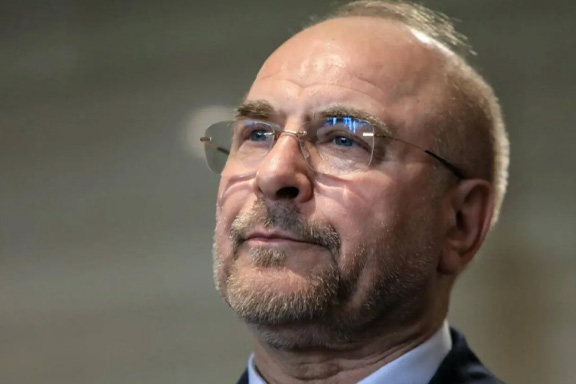
Iran’s Parliament Speaker Mohammad Bagher Ghalibaf has delivered a blunt message to global investors: stop letting “vibes” dictate decisions in critical financial markets. In unusually pointed remarks, Ghalibaf criticised what he described as a growing tendency among traders to react to speculation, headlines and geopolitical mood swings rather than economic fundamentals.
At a time when tensions involving Iran and the broader region continue to rattle markets, he warned that such behaviour was not only short-sighted but potentially dangerous. According to him, trading driven by sentiment rather than data risks amplifying volatility in sectors that are already highly sensitive to political developments, particularly oil and sovereign debt.
Ghalibaf’s comments reflect a broader frustration in Tehran over how quickly global markets react to developments involving Iran, often triggering sharp price movements based more on perception than reality. He suggested that this pattern of reactionary trading could undermine stability in markets that play a central role in the global economy.
Oil and US Treasuries under pressure as uncertainty lingers
The Iranian speaker specifically highlighted oil and US Treasury bonds as two markets increasingly caught up in what he framed as “vibe-driven” decision-making. Oil prices, he noted, have shown heightened sensitivity to geopolitical headlines, with even minor developments capable of triggering outsized reactions.
He also pointed to the interconnected nature of oil markets and US government debt, suggesting that instability in one could spill over into the other. With global investors closely watching signals from Washington and Tehran, even subtle shifts in tone or policy can influence both energy prices and broader financial conditions.
The remarks come at a time when uncertainty over Iran’s energy exports, ongoing sanctions, and the possibility of renewed diplomatic engagement continue to cloud the outlook. For countries reliant on stable energy supplies, such volatility carries real economic consequences, affecting everything from inflation to fiscal planning.
By calling out “vibe trading,” Ghalibaf appeared to be pushing for a more measured approach, one rooted in tangible data rather than speculation. His comments also serve as a reminder of how deeply geopolitics is intertwined with financial markets, particularly in sectors like oil where supply concerns and political risk often move prices.
Whether markets will heed that advice is another question. For now, Iran’s message is clear, if global investors want stability, they may need to rely less on instinct and more on fundamentals.
You May Also Like
- WEB DESK
- August 24, 2026