- Web
- 16 Minutes ago
Strait of Hormuz explained: why this oil chokepoint matters and what the risks are
-

- Web Desk
- Mar 05, 2026
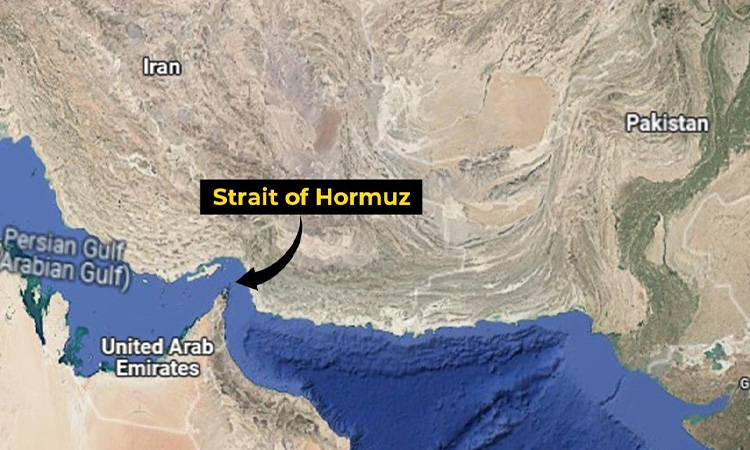
The Strait of Hormuz, a narrow waterway separating Iran and Oman, is a vital artery for global energy supply. Roughly 20 million barrels of oil per day, around one-fifth of the world’s petroleum liquids, pass through this 33-mile-wide corridor. Because so much of the planet’s energy flows through it, even the perception of instability in Hormuz can immediately shake oil markets and push up fuel prices worldwide.
CURRENT RISKS
Tensions in the region have escalated sharply since February 28, 2026, when the United States and Israel launched a joint strike that killed Iran’s Supreme Leader, Ayatollah Ali Khamenei. Iran has retaliated with missile and drone attacks targeting Israel and US allies in the Gulf. Reports indicate that several tankers have already been damaged in Gulf waters, fueling fears of disruption in energy shipments.
Market responses were swift: Brent crude surged past $81 per barrel, a nearly 5 per cent jump in a single day, as traders factored in the risk of supply bottlenecks. Analysts warn that consumers may feel the impact at the pump, with potential increases of 10–30 cents per gallon in US gasoline prices if the situation persists.
GLOBAL SIGNIFICANCE
Even though the US imports only a small share of its oil via Hormuz – about 2 per cent of total consumption – the strait’s instability affects global supply and pricing. Much of the oil passing through Hormuz is destined for Asia, particularly China and India, making any disruption a worldwide concern.
HISTORICAL CONTEXT
Despite repeated threats from Iran, the strait has never been completely closed in modern history. Even during the 1980s Iran–Iraq “Tanker War”, when ships were attacked, oil shipments continued under heightened risk. To keep the flow moving, the US implemented Operation Earnest Will, reflagging Kuwaiti tankers and providing naval escorts through the Persian Gulf – a strategy aimed at maintaining commerce despite conflict.
MODERN MEASURES
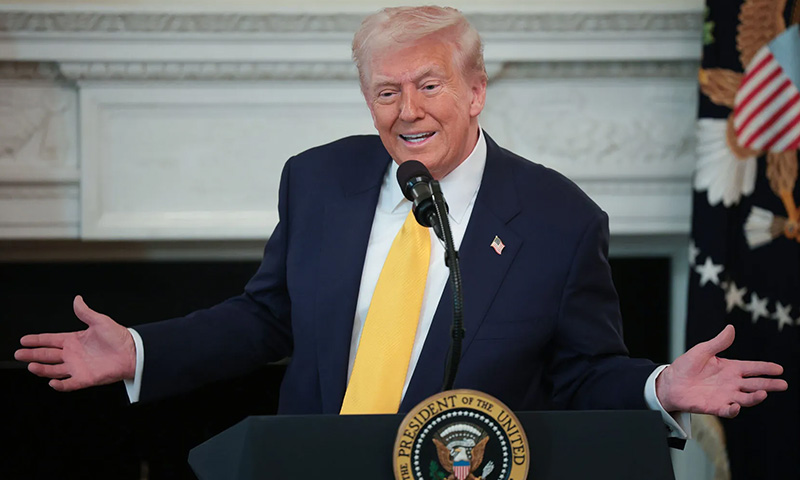
Today, the US is signaling a similar approach. President Trump has said the US Navy is prepared to escort commercial vessels through the strait if necessary. Even without a full closure, the threat of attacks can increase shipping and insurance costs, tighten supply, and push energy prices higher.
In short, the Strait of Hormuz remains a high-stakes chokepoint: any disruption can ripple through global energy markets, making naval protection, vigilant monitoring, and contingency planning critical.
You May Also Like