- Aasiya Niaz
- 7 Minutes ago
Strategic standoff? Why are Riyadh, Ankara, and Cairo keeping quiet on US-Iran ceasefire
-

- Web Desk
- Now
As the world digests the news of the 11th-hour ceasefire between the United States and Iran, a striking silence has emerged from the region’s most influential capitals.
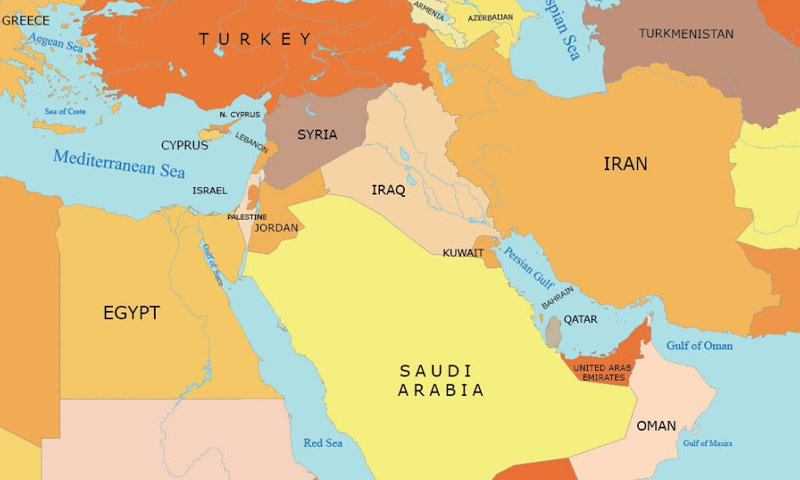
Despite President Trump’s dramatic de-escalation from threats to “obliterate Iranian civilization,” key Middle Eastern players – including Saudi Arabia, the UAE, Qatar, Egypt, Turkiye, and Lebanon, have yet to issue formal reactions. This collective hesitation comes after a night where the entire region sat on the edge of a total conflagration.
THE BRINK OF “CIVILIZATIONAL” WAR
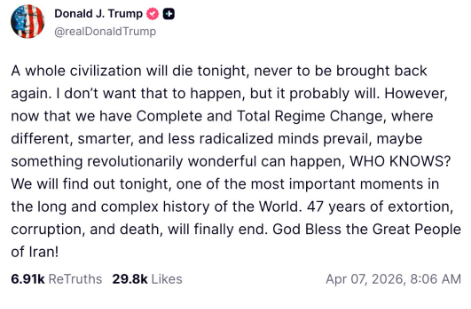
Until late Tuesday night, the rhetoric reached a fever pitch. President Trump had set an 8:00 PM ET deadline, warning that a “whole civilization will die tonight” if Tehran did not immediately reopen the Strait of Hormuz.
Tehran’s response was equally uncompromising. Iranian officials made it clear that any strike on their infrastructure would transform the conflict into a regional scorched-earth campaign. Iran warned that:
All neighbourly relations would be considered “null and void.”
Every US military post in the Middle East, many of which are hosted by the very countries currently silent, would be treated as a legitimate target.
The conflict would not be contained to Iranian soil, effectively threatening the sovereignty of Gulf and Levantine nations.
A STRATEGIC SILENCE?
The lack of immediate commentary from Riyadh, Abu Dhabi, Ankara, and Cairo may signal a period of “cautious assessment” rather than indifference. These nations find themselves in a complex diplomatic bind.
Both Saudi Arabia & UAE host critical US military assets that Iran explicitly threatened to target just hours ago.
Having acted as mediators alongside Pakistan, Qatar & Turkiye may be waiting for the Islamabad talks on Friday before speaking.
PM Netanyahu has already stated the ceasefire “does not include Lebanon,” leaving Beirut in a precarious state of active conflict.
Egypt is focused on regional stability and Suez Canal traffic, and Cairo remains wary of how “regulated passage” in Hormuz affects global trade.
THE ISLAMABAD SUMMIT
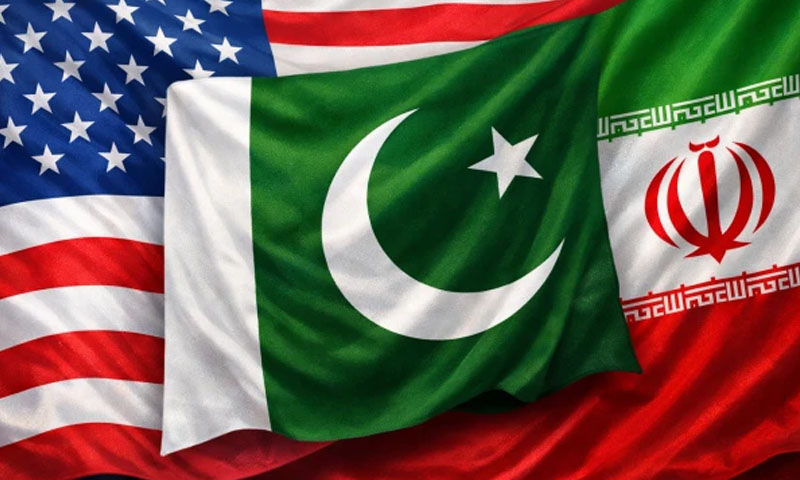
The two-week truce, brokered by Pakistani Prime Minister Shehbaz Sharif and Field Marshal Asim Munir, shifts the focus to Islamabad, where formal negotiations are set to begin this Friday.
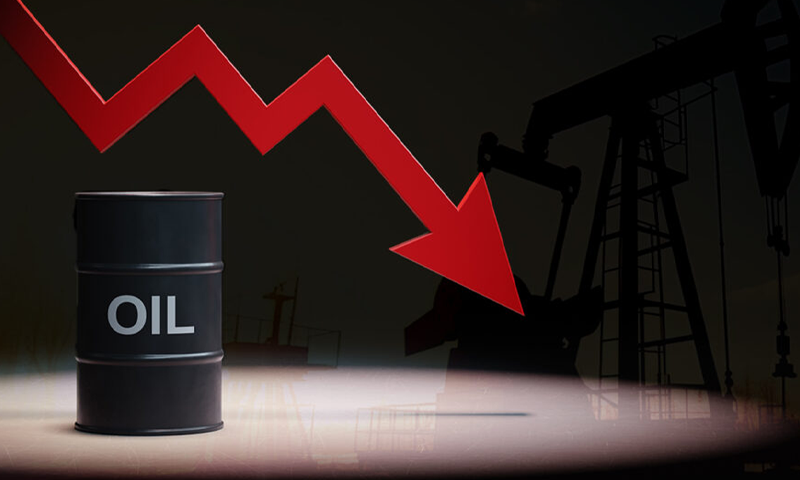
While the markets have reacted with relief, oil prices saw a sharp 16-17 per cent drop, the regional silence suggests that for the Middle East, the “trigger” remains very much under the finger. Until the details of the “10-point plan” and the “regulated passage” of the Strait are clarified, the neighbors who were nearly collateral damage are keeping their cards close to the chest.
You May Also Like