- Web Desk
- 15 Minutes ago
Swabi authorities launch sweeping repatriation crackdown on undocumented migrants
-

- Web Desk
- 1 Minute ago
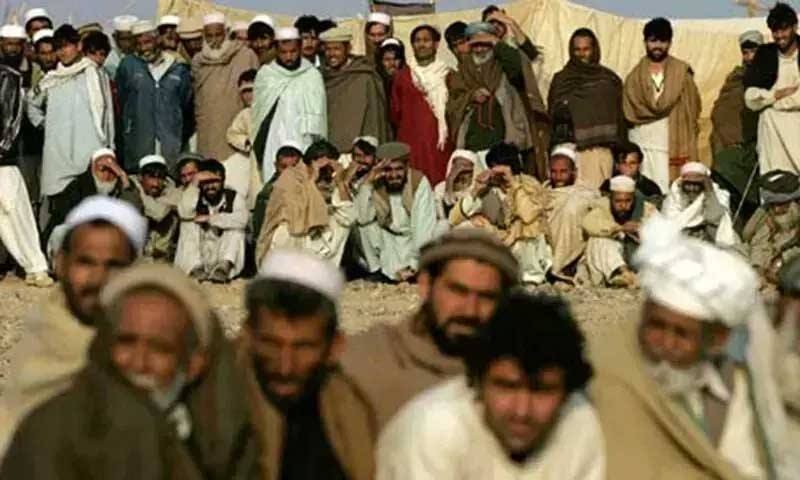
WEB DESK: Police in Swabi have detained more than 300 Afghan nationals living without legal documentation as part of a coordinated district-wide effort to enforce repatriation orders. Following a collective decision by the district administration and law enforcement, raids were carried out on Sunday across Topi, Razaar, Chota Lahor, and the district headquarters.
According to the Dawn News, officials confirmed that 341 individuals were taken into custody during the operation. Local station house officers (SHOs) have been instructed to maintain comprehensive records of all undocumented residents within their jurisdictions to ensure the momentum of the crackdown continues.
Balancing enforcement with “Honourable” repatriation
While approximately 30,000 Afghan refugees reside in Swabi the majority of whom are properly documented those staying illegally now face immediate legal pressure. District officials have spent months employing various strategies to encourage voluntary departure, noting that many Afghans had initially agreed to leave following the Eidul Fitr holiday to allow time for winding up their affairs.
To expedite the process, authorities have already sealed commercial properties in the Gohati refugee camp. Deputy Commissioner Dr Tariqullah Khan has further warned that the administration will now begin filing FIRs against Pakistani citizens who facilitate illegal stays by providing housing or business premises to undocumented individuals.
The challenge of severing four decades of roots
For many within the Afghan community, the order to leave marks the end of a forty-year chapter. Business owners have voiced the immense difficulty of liquidating assets and closing shops built over decades of hard labour.
Despite the sudden upheaval, many refugees expressed a profound sense of gratitude toward Pakistan for providing a sanctuary and a livelihood for so long. For residents like Abdullah Gul, who was born and raised in Pakistan without ever visiting his ancestral home, the transition is bittersweet.
However, influenced by the experiences of relatives who recently returned, many are choosing to depart voluntarily to maintain their dignity and avoid the trauma of forced expulsion, acknowledging that their time in Pakistan has reached its conclusion.
You May Also Like