- Web
- 7 Hours ago
T20 World Cup in turmoil? Pakistan’s decision could cost thousands of crores
-

- Web Desk
- Feb 02, 2026
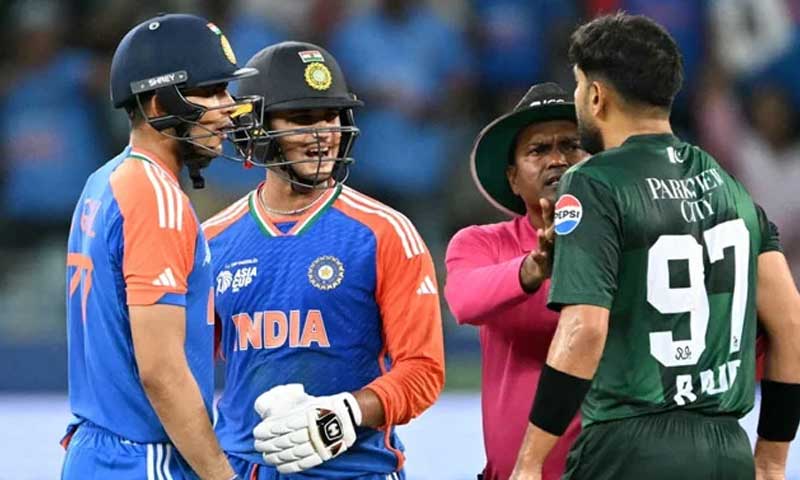
WEB DESK: Pakistan’s decision to boycott the much-anticipated India clash in the T20 World Cup 2026 has sent shockwaves across the cricketing world. The match, scheduled for February 15 in Colombo, is widely regarded as the most lucrative fixture in any World Cup tournament. According to Firstpost the Pakistan Cricket Board (PCB) could face massive financial repercussions if they remain steadfast in their boycott.
Having already signed the Participation Agreement for the tournament and played their other scheduled matches in Sri Lanka, a refusal to take the field against India would be viewed as a serious contractual breach by the International Cricket Council (ICC). Analysts estimate that the PCB could lose approximately USD 34.5 million in revenue.
Beyond immediate losses, the boycott could trigger long-term sanctions. ICC may consider withholding NOCs (No Objection Certificates) for Pakistani players, which would prevent them from participating in international T20 leagues. There is also speculation that Pakistan could be excluded from future Asia Cups or bilateral series. Such measures, while unprecedented, highlight the seriousness of defying an ICC fixture.
ICC’s Multi-Crore Losses Loom Large
The ICC itself stands to incur substantial losses if the India-Pakistan fixture is cancelled. According to reports, a single India-Pakistan match generates approximately $20-22 million in revenue. However, factoring in broadcasting rights and sponsorship deals, the potential loss could soar dramatically. Australian publication The Age estimates that the match could be worth $250 million in total, given its global viewership and the high-profile nature of the rivalry.
The ICC’s deal with JioHotstar, which pays $3 billion for rights to world tournaments from 2023 to 2027, reflects the commercial stakes of the fixture. Losing the marquee match would not only dent ICC revenue but could also impact sponsorship contracts, fan engagement, and the overall financial viability of the tournament.
Jay Shah-led ICC has reportedly urged the PCB to reconsider, warning that the boycott could have “significant and long-term implications” for cricket both in Pakistan and globally. The ICC emphasized that selective participation undermines sporting integrity, competitiveness, and the overall spirit of the game. While the ICC respects national policy decisions, it stressed that the move could disrupt the global cricket ecosystem and negatively affect fans, including millions in Pakistan.
Broadcasters and Advertisers Brace for Impact
For broadcasters, the India-Pakistan match is the crown jewel of the T20 World Cup. Advertising revenue during this fixture is typically the highest of any cricket game, with 10-second slots reportedly fetching INR 25-40 lakh. Networks such as JioHotstar, which hold streaming and broadcasting rights, could face enormous losses in the absence of this highly anticipated clash.
The match’s cancellation could have a ripple effect on other commercial deals and sponsorships, as India-Pakistan encounters often drive viewer engagement, subscriber growth, and advertising demand across multiple regions. If the two teams were scheduled to meet more than once in the tournament, each missed fixture could multiply the financial blow to ICC, broadcasters, and sponsors alike.
The situation has also left the BCCI largely silent, with the board refusing to issue an official statement and leaving the matter primarily in ICC’s hands. Analysts warn that prolonged uncertainty could harm fan trust, market confidence, and the credibility of global cricket tournaments.
In short, Pakistan’s decision to boycott the India match could trigger losses running into thousands of crores, affecting the PCB, ICC, broadcasters, sponsors, and the cricket-loving public. As the February 15 fixture approaches, the cricketing world watches closely, aware that a single decision could reshape the financial and sporting landscape of the T20 World Cup 2026.
You May Also Like