- Web Desk
- 8 Minutes ago
Taliban signal willingness for talks amid rising global pressure to de-escalate
-

- Web Desk
- Feb 28, 2026
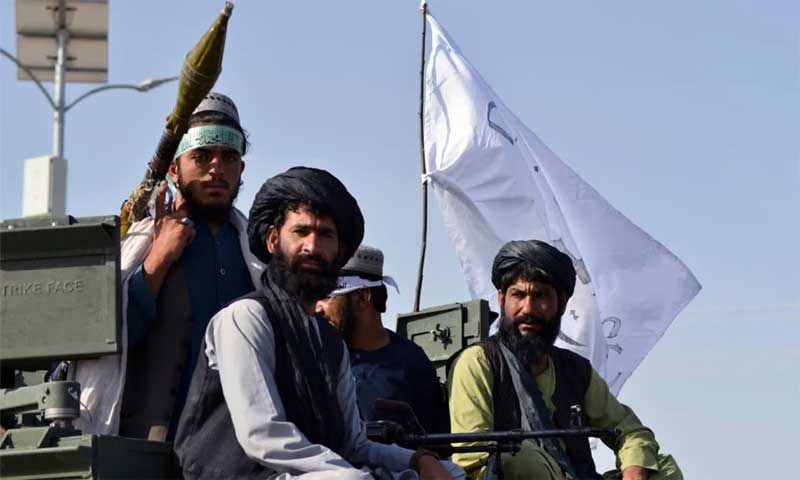
WEB DESK: Afghanistan’s Taliban authorities signalled on Friday that they were open to negotiations after Pakistan carried out air strikes on major Afghan cities, in what marks the gravest confrontation yet between the former allies. Pakistan’s Defence Minister, Khawaja Asif, described the situation as tantamount to an “open war”.
According to Dawn, the Taliban, who said they had mounted “retaliatory attacks” following strikes on alleged militant hideouts last weekend, stated that they were prepared for dialogue.
According to Afghanistan’s foreign ministry, Foreign Minister Amir Khan Muttaqi told Qatar’s Minister of State for Foreign Affairs, Mohammed bin Abdulaziz Al-Khalifi, in a telephone conversation that Kabul had “always preferred to resolve issues on the basis of mutual understanding and respect”. Taliban spokesman Zabihullah Mujahid reiterated that the group wished to settle the matter through talks.
Regional powers have moved swiftly to prevent further escalation.
Iran, which shares borders with both countries, offered to facilitate negotiations. Foreign Minister Abbas Araghchi said Tehran stood ready to assist efforts aimed at fostering dialogue and strengthening cooperation between Islamabad and Kabul.
Saudi Arabia and Qatar have also been engaged in intensive diplomatic efforts to ease tensions. A source familiar with the discussions said Riyadh, in coordination with Doha, was working to contain the crisis and prevent it from spiralling further.
Saudi Foreign Minister Prince Faisal bin Farhan expressed concern during a call with his Afghan counterpart and agreed, in a separate conversation with Pakistan’s Ishaq Dar, to remain closely involved. Turkey’s Foreign Minister, Hakan Fidan, likewise held separate discussions with counterparts in Pakistan, Afghanistan, Qatar and Saudi Arabia, according to a diplomatic source.
Major international powers have echoed calls for restraint
China, a key regional stakeholder and investor, voiced deep concern over the violence. Foreign ministry spokesperson Mao Ning said Beijing supported counter-terrorism efforts but urged both sides to remain calm, exercise restraint and resolve their differences through dialogue, adding that China was engaging through its own diplomatic channels and had sought assurances regarding the safety of Chinese personnel and projects.
Russia called for an immediate cessation of hostilities. Foreign ministry spokeswoman Maria Zakharova described the clashes as a dangerous development and urged both countries to return to the negotiating table. Kremlin spokesman Dmitry Peskov said Moscow was closely monitoring events.
From Europe, the United Kingdom also expressed alarm. Foreign Secretary Yvette Cooper said Britain was deeply concerned by the significant escalation and urged both sides to de-escalate, protect civilians and re-engage in mediated dialogue.
In Washington, however, US President Donald Trump indicated he was unlikely to intervene. Speaking to reporters before departing for Texas, Mr Trump suggested that his close relations with Pakistan’s leadership made him reluctant to step in. He praised Pakistan’s prime minister and military leadership, describing them as figures he respected, and said the country was performing “terrifically well”.
The United Nations joined the growing international chorus for calm. Secretary-General Antonio Guterres was “deeply concerned” by the escalation, his spokesman said, calling for an immediate halt to hostilities and urging the parties to resolve their differences through diplomatic means.
The International Committee of the Red Cross likewise appealed for de-escalation and the protection of civilians. Its president, Mirjana Spoljaric, said the organisation was preparing an operational response to address humanitarian needs on the ground.
You May Also Like