- Web Desk
- 17 Minutes ago
The existential crisis of the grid: can Pakistan break the circular debt chain in 2026?
-

- Web Desk
- 1 Minute ago
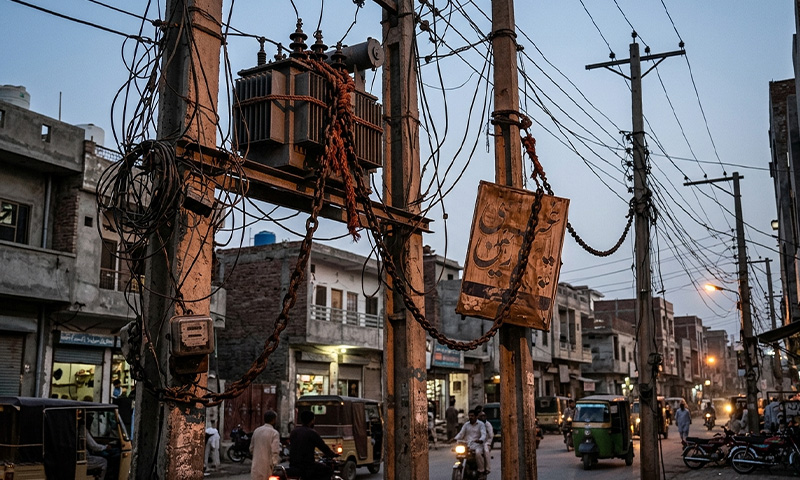
Pakistan’s power sector has reached a tipping point where traditional generation is colliding with a “prosumer” revolution. As of March 2026, the country finds itself in a bizarre paradox: we have more installed capacity than ever before (nearly 45,000 MW), yet the price of a single unit remains an anchor dragging down industrial growth and household stability.
THE $5 BILLION IMF MANDATE: “COST RECOVERY” OR BUST
Following the fresh March 27, 2026, IMF Staff-Level Agreement, the directive for Pakistan is surgical: Energy sector viability is non-negotiable. The Fund has tied its $1.2 billion tranche to timely tariff adjustments. This explains NEPRA’s recent flurry of activity, including the approval of Rs 1.98 per unit hike for March bills (combining fuel adjustments and quarterly charges).
While the government has successfully “parked” a portion of the Rs 2.5 trillion circular debt into long-term commercial loans to slow the bleeding, the flow of new debt continues. System inefficiencies and non-payments (particularly a rising Rs 329 billion receivable from K-Electric) mean that for every unit generated, the state is still struggling to collect the full cost.
THE IPP “HAIRCUT”: RS 1.4 TRILLION IN SIGHT?
The most aggressive shift in 2026 is the government’s “Reforms Report” strategy targeting Independent Power Producers (IPPs). By renegotiating decades-old “take-or-pay” contracts, the state aims to save Rs 1.4 trillion over the coming years.
The goal is to transition these plants to a “take-and-pay” model, essentially telling producers: “We will only pay you for the electricity we actually use, not for just standing by.” While this has met resistance from some private stakeholders, it is the only viable path to reducing the “capacity payment” burden that currently makes up nearly half of the average consumer’s base tariff.
THE GREAT SOLAR PIVOT: NET METERING IS DEAD
2026 marks the official end of the “Free Battery” era for solar users. On February 9, 2026, NEPRA notified the Prosumer Regulations 2026, replacing traditional Net Metering with Net Billing.
The “Unit-to-Unit” Shield: If you had an agreement before Feb 9, you are safe until your contract expires. You still swap 1 unit for 1 unit.
The New Reality: New solar adopters are now billed at the full retail rate (approx. Rs 50) for what they take from the grid, while the grid buys their excess solar for a measly Rs 11-12.
This “buy high, sell low” gap has triggered a massive shift toward off-grid hybrid systems. Consumers are no longer looking to the grid as a partner; they are looking at it as a backup of last resort.
THE 2026 ENERGY MIX: NUCLEAR AND COAL STEP UP
Despite the financial gloom, the technical generation mix is stabilising. In early 2026, Nuclear power emerged as the ‘Baseload Hero,’ providing nearly 18 per cent of the grid’s power at a fraction of the cost of RLNG. Meanwhile, Thar Coal is finally pulling its weight, reducing the reliance on imported coal and shielding the tariff from global supply chain shocks.
In a nutshell, Pakistan’s power sector is no longer a ‘generation problem’, it’s a “pricing and delivery” problem. With 3,500 MW of new wind and solar added in the last two years, the infrastructure is there. But until the circular debt is decentralised and the “Capacity Payment” ghost is exorcised through IPP renegotiations, the grid will continue to feel like a luxury few can afford.
You May Also Like