
- Web
- 8 Hours ago
The ‘other tradition’ of Super Bowl: one night a year, America relearns Roman numerals
-

- Web Desk
- Feb 01, 2026
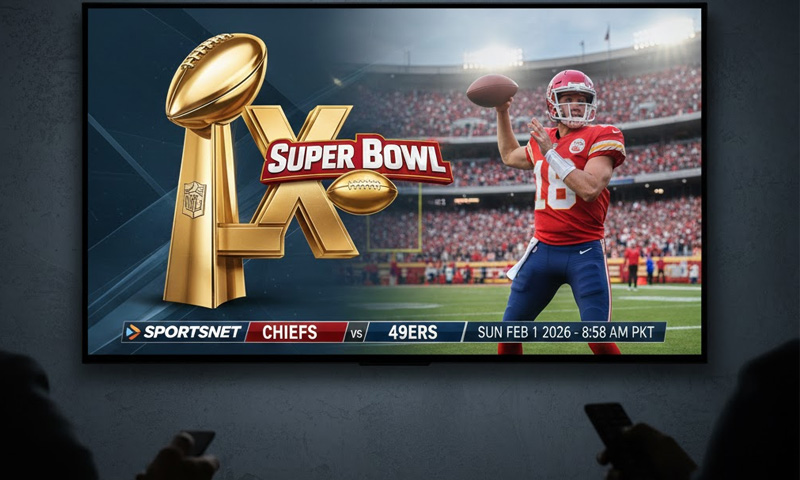
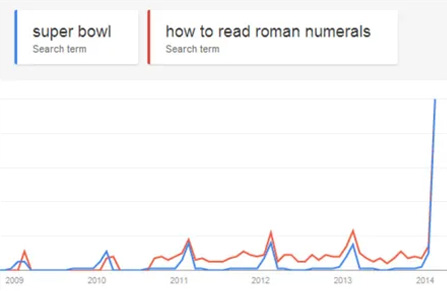
Every February, something magical happens in America. Friends gather. Wings disappear. Commercials get ranked like Olympic events. And millions of people quietly, sheepishly type the same thing into Google: “Roman numerals.”
It’s one of the most reliable side effects of Super Bowl season. As the NFL’s biggest night approaches, search engines light up with confused fans trying to decode what on earth “LVIII,” “LIX,” or now “LX” actually means. For one glorious week, ancient math enjoys a modern comeback.
The reason is sitting right there in the game’s name. This year’s Super Bowl LX marks the 60th edition of the NFL’s championship game, and instead of just saying “Super Bowl 60,” the league sticks with its long-running tradition of Roman numerals. Elegant? Timeless? Slightly intimidating? All of the above.
Roman numerals have been part of the Super Bowl identity since the early days, starting with Super Bowl V. The idea was simple: numbering the game avoids confusion, since the Super Bowl is played in the year after the regular season it represents. Using a clean, sequential number keeps historians, broadcasters, and trivia buffs sane. It also accidentally turns millions of fans into temporary students of ancient numbering systems.
Hence the annual spike.
Every year, the pattern repeats itself. Sports bars argue over matchups. Analysts break down matchups. And somewhere, a fan stares at the TV and wonders, “Wait… is LX 60 or 40?” Google, once again, becomes the nation’s most overworked math tutor.
What makes this phenomenon so funny is how universal it is. You don’t have to be a casual fan to blank on Roman numerals. Plenty of die-hard football obsessives, people who can recite third-string depth charts, still need a refresher on whether L comes before or after X.
For the record: L is 50, X is 10, and together they make 60. You’re welcome!
The NFL has leaned into the mystique over the years, turning Roman numerals into part of the Super Bowl’s brand. They look grand on logos, dramatic on merchandise, and important enough to justify fireworks. “Super Bowl LX” just sounds bigger than “Super Bowl 60,” even if they mean the same thing.
Of course, the league briefly blinked at this tradition once. When the 50th Super Bowl rolled around, the NFL ditched Roman numerals and branded it simply as “Super Bowl 50.” The concern? A giant standalone “L” didn’t exactly scream victory. But once that milestone passed, the league happily returned to its Xs, Vs, and I’s. And fans returned to their annual Googling.
In a weird way, the Super Bowl has become the last mainstream cultural event that forces people to interact with Roman numerals at all. Schools teach them. Clocks still use them. Movie sequels flirt with them. But nothing revives them quite like football’s biggest night.
There’s something oddly charming about it. In a hyper-digital, algorithm-driven world, the Super Bowl creates a shared moment of collective confusion. Millions of people, united not just by a game, but by the same quiet realisation: I definitely knew this at one point.
So if you find yourself double-checking what “LX” means before kickoff, don’t worry. You’re not behind. You’re right on schedule. Because alongside the national anthem, the halftime show, and the final whistle, the Super Bowl delivers one more tradition every single year:
America relearns Roman numerals – together!
You May Also Like