- Web Desk
- Yesterday
The Preparation was Perfect. The Performance was Pakistan.
Congratulations Pakistan. Another tournament, another early exit. At this point the Pakistan Cricket Board (PCB) probably has a deal with Emirates. The travel looks well-planned; the cricket less so.
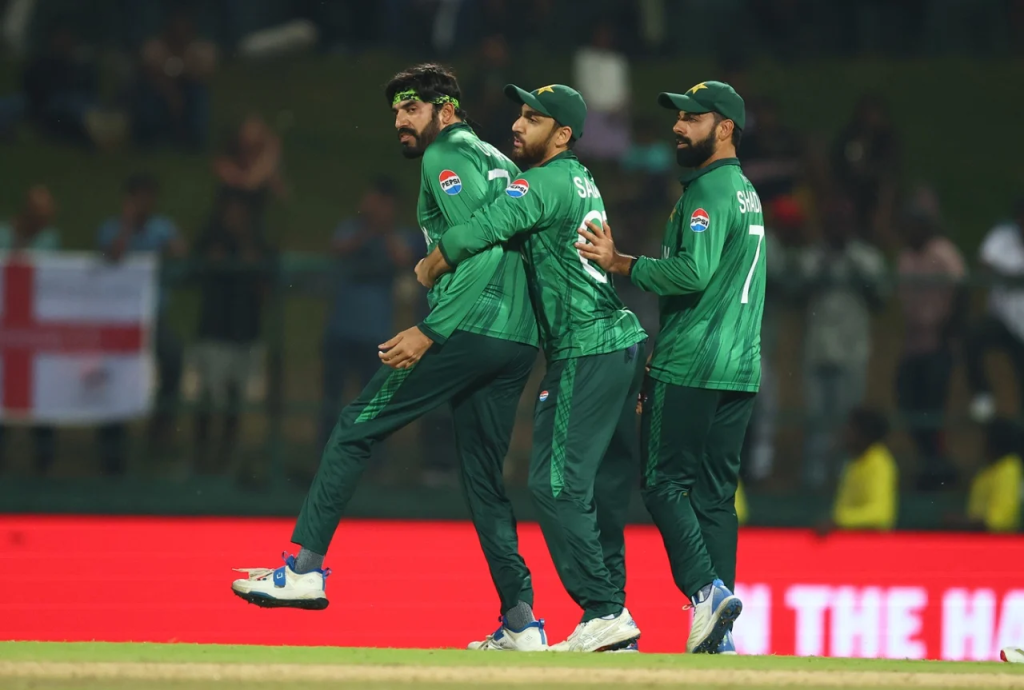
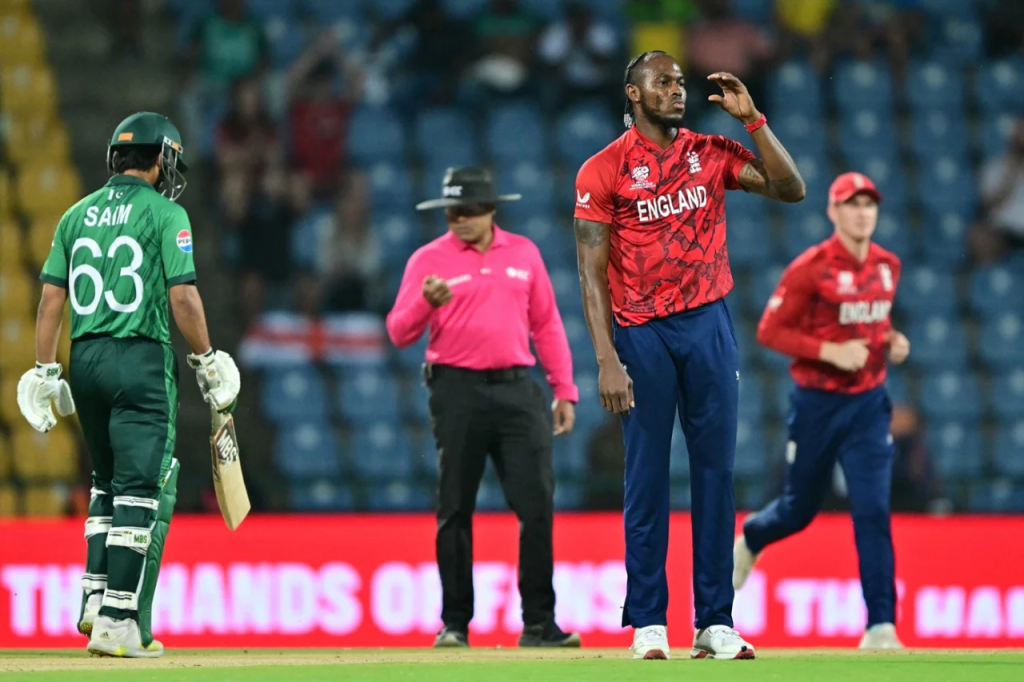
What makes this loss particularly hard to swallow is that nobody can point to bad luck or circumstance. Preparation was extensive. Tours were scheduled, conditions studied, matches played in bulk. Pakistan entered this World Cup arguably the most match-hardened side in the field. And still, with England wobbling at 35 for 3, needing just one more wicket to effectively end the chase, the bowling couldn’t deliver. Not the rellu kattay spinners, not the quicks, not anyone. One wicket. That’s what separated this side from a completely different conversation today.
A quick word on the conversation around the team. A section of Pakistani punditry appears more energised by tracking India’s trajectory than by analysing Pakistan’s own flaws. Entire debates revolve around another side’s potential stumble while uncomfortable questions at home are politely avoided. Honest scrutiny rarely trends, but it is the only currency that produces progress.
Back to the cricket. Harry Brook walked in under pressure, in a must-win game, at a position he doesn’t normally bat, and produced a century. Not because conditions were perfect or the bowling was weak, he simply decided the situation required it and responded. That’s not coaching. That’s not preparation. That’s just character. And right now, Pakistan are short of it. Pakistan have cricketers who excel when the script is familiar; when it shifts, hesitation appears almost immediately.

This isn’t a new problem. For years a pattern has persisted where certain players, once established in the setup, plateau entirely. The drive that got them there quietly disappears. Playing for Pakistan becomes less about proving yourself and more about maintaining your position. When keeping your spot requires less effort than earning it, the urgency just dies. It shows in the body language, in the shot selection, in who’s bowling during the critical overs and more importantly, who isn’t.
There is also a recurring selection dilemma. Pakistan often persist with bowlers whose records look impressive in low-pressure phases but fade when the game tilts. The issue is less about one individual and more about a culture that rewards reputation over current impact. Systems that prioritise continuity without accountability eventually create comfort where competition should exist.
The deeper issue is that Pakistan don’t seem to learn from what works elsewhere. Teams lose key players to retirement, rebuild without panic, and emerge stronger because their systems are solid enough to absorb the loss. The world doesn’t pause it finds the next guy and gets on with it. Pakistan, by contrast, often treats certain names as irreplaceable, delaying succession planning until decline becomes obvious. Irreplaceability is rarely about talent it is about a lack of preparation for change.
The talent pool in this country is not the problem. It never has been. The problem is that talent without accountability produces players who are brilliant in flashes and absent when it counts. Until selection genuinely reflects form, until domestic performance carries real weight, and until poor tournaments lead to meaningful recalibration, preparation camps and bilateral schedules will only mask deeper problems.
Same time next tournament then. Same exit, same explanations, same promises. And somewhere, a pundit will already be talking about India.
You May Also Like