- Javed Soomro
- October 12, 2026
The road to emergency and governor’s rule: How Islamabad and Peshawar reached a breaking point
-

- Zoya Anwer
- October 12, 2026
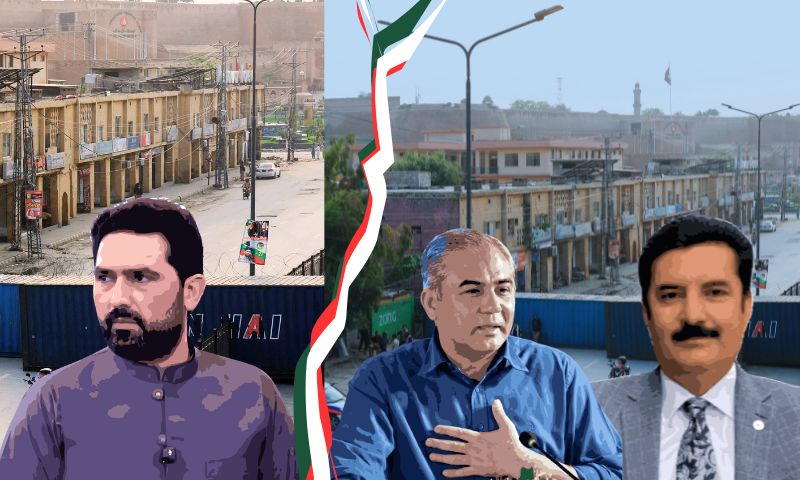
On September 30, Law Minister Azam Nazeer Tarar emerged from a meeting at Parliament House to dismiss speculation that the government was considering emergency rule or governor’s rule in Khyber Pakhtunkhwa (KP).
The gathering, he told journalists, was a routine parliamentary consultation and had “nothing to do with governor’s rule or emergency”. Yet, within Islamabad’s political circles, the possibility of federal intervention was already being openly discussed.
Eleven days later, speculation gave way to action. President Asif Ali Zardari approved the imposition of emergency rule and governor’s rule in KP, placing the provincial administration under federal control and transferring executive authority to the governor.
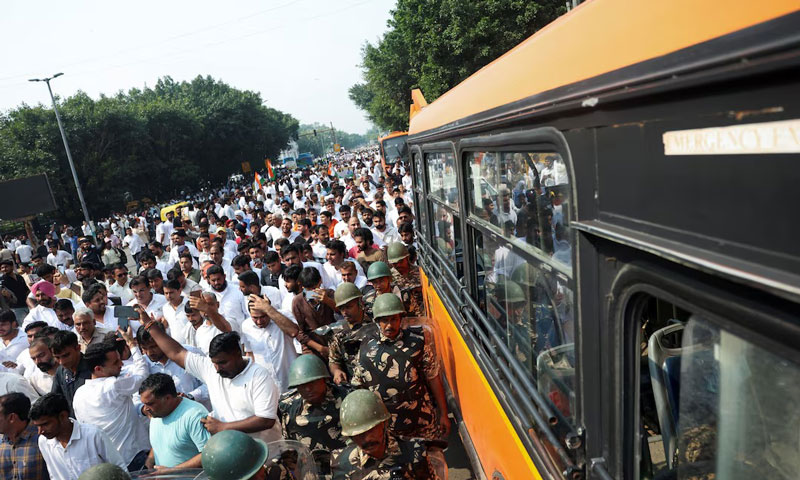
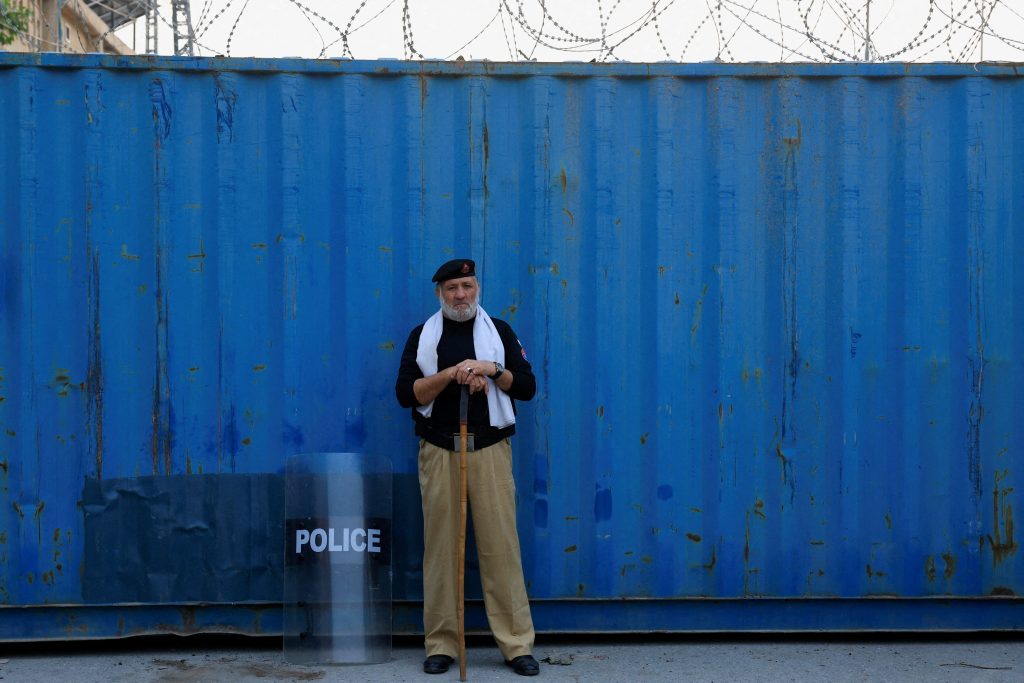
By the following morning, the shipping containers that had stood stacked idly along Islamabad’s roads to obstruct a Pakistan Tehreek-e-Insaf (PTI) march seemed to have spawned across Peshawar. This time, they blocked routes leading towards the Governor House and the cantonment, restricting movement in the very province whose now ‘suspended’ chief minister, Sohail Afridi, had been leading the march towards the capital.
Between Tarar’s assurance and Peshawar’s barricaded streets lay weeks of escalating tensions over security policy, provincial autonomy and the PTI’s campaign for the release of its imprisoned founder, former prime minister Imran Khan. Negotiations intended to avert a confrontation failed, and disagreements between Islamabad and the PTI-led provincial government deepened.
The imposition of governor’s rule was not the result of a single incident. It followed a series of political and administrative disputes that progressively narrowed the space for cooperation between the two governments.
A province caught between competing priorities
Khyber Pakhtunkhwa’s relationship with Islamabad has long been shaped by questions of provincial autonomy and the federal government’s role in decisions affecting the region. The province has also spent much of the past two decades dealing with conflict, displacement and recurring security challenges.
These pressures intensified during the second half of 2026.
According to the Pakistan Institute for Conflict and Security Studies (PICSS), KP and the former tribal districts experienced 59 militant attacks in July and 106 in August. Another 92 attacks were recorded in September, taking the three-month total to 257.
Among the deadliest incidents was the September 18 assault on Kohat’s Old Police Lines, which killed 23 people, including 17 police personnel. Days later, an attack in Darazinda, Dera Ismail Khan, claimed 14 lives, according to the subsequently registered police report.
The attacks added urgency to longstanding questions about security arrangements and the effectiveness of existing policies. Yet the federal and provincial governments differed over both the response and who should determine it.
Afridi argued that repeated military operations had failed to bring lasting peace and that communities directly affected by conflict deserved a greater role in security decisions. Islamabad maintained that effective counterterrorism required stronger cooperation between provincial institutions, federal authorities and security forces.
What began as a difference over policy gradually became a dispute over responsibilities and authority.
The distance between Islamabad and Peshawar
Afridi’s criticism became increasingly direct as the violence continued.
Following the Darazinda attack, he visited injured personnel and reiterated his demand for greater provincial involvement in national security decisions. His government maintained that it had diverted Rs35 billion from development spending towards strengthening the police and Counter-Terrorism Department (CTD).
He also accused federal institutions of delaying security equipment deliveries despite receiving payment.
At a provincial law-and-order meeting on September 28, Afridi questioned the federal government’s approach, arguing that additional police resources alone would not resolve the problem without changes to the wider security strategy.
Islamabad, however, presented a different assessment.
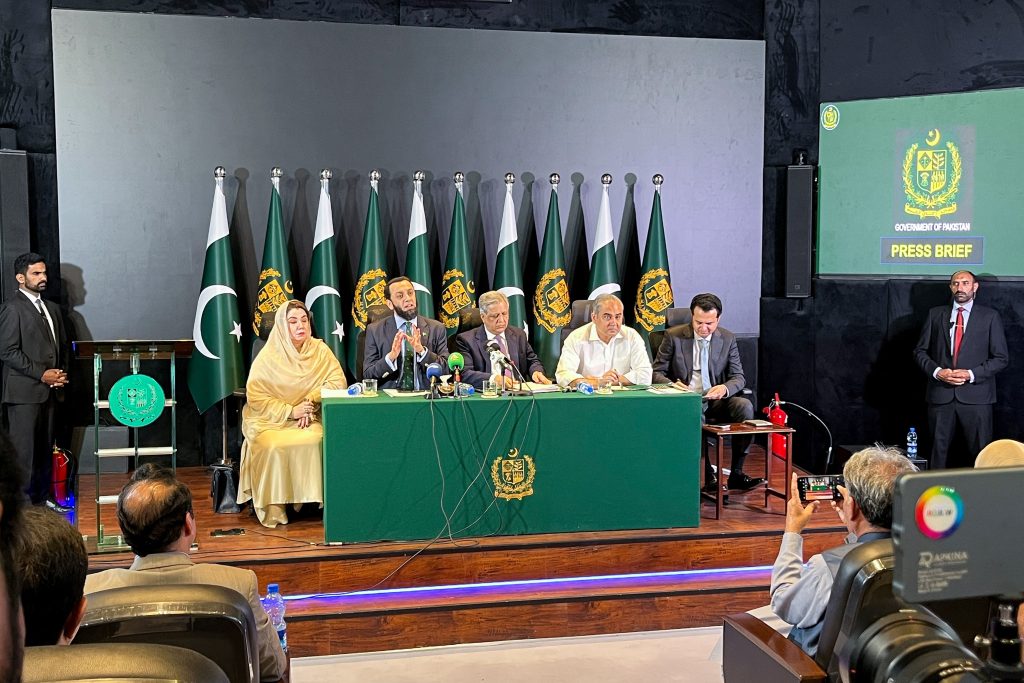
Information Minister Attaullah Tarar and Minister of State for Interior Talal Chaudhry accused the provincial administration of failing to provide adequate leadership, resources and operational support to security institutions.
Federal representatives also questioned how security-related funds had been used during PTI’s years in provincial office. They alleged that the provincial government had failed to establish adequate forensic facilities, protective infrastructure and equipment for law-enforcement agencies.
Afridi disputed these allegations, maintaining that the province’s efforts were being undermined by federal policy.
The political disagreement was no longer confined to the security situation.
KP Governor Faisal Karim Kundi urged Afridi to abandon PTI’s planned march towards Islamabad, arguing that the province’s circumstances required cooperation rather than confrontation.
Afridi, however, maintained that PTI’s political demands could not be abandoned and that the party had a legitimate right to protest.
By the end of September, the federal government had begun publicly considering constitutional options. Prime Minister Shehbaz Sharif chaired consultations with senior ministers over KP’s situation, while governor’s rule and emergency provisions were being discussed alongside concerns about the impending march.
When politics and governance became inseparable
The competing demands facing the provincial government had surfaced during an earlier press interaction at KP House in Islamabad.
A journalist asked Afridi whether the provincial leadership’s attention should be directed towards ending terrorism and developing KP rather than focusing on the health of imprisoned PTI founder and former prime minister Imran Khan.
“We are talking about Imran Khan Sahib’s health,” Afridi responded, before questioning why the journalist was raising the other issue.
The exchange, captured in a video that circulated publicly, became part of the debate over the provincial government’s priorities. The precise date of the recording remains unclear.
For PTI, however, Khan’s imprisonment was central to its political campaign. The party had repeatedly demanded access to its founder, raised concerns about his health and medical treatment, and called for his release.
The disagreement over priorities became more pronounced as preparations for the march continued.
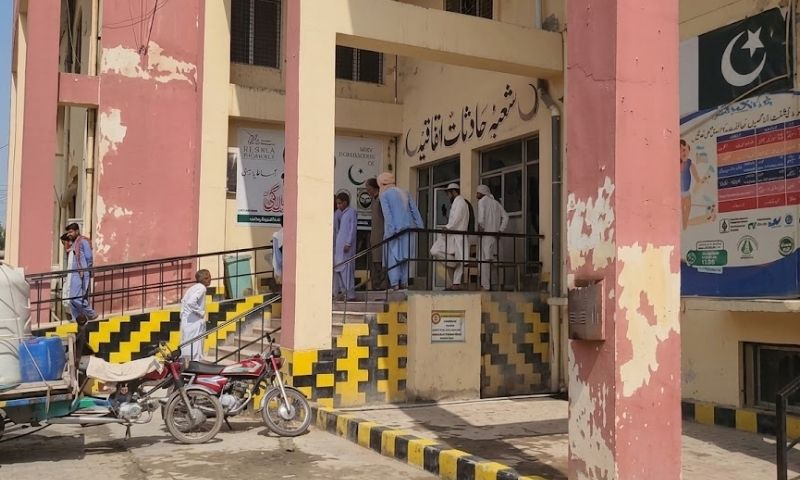
The federal government viewed the planned mobilisation as a potential threat to public order at a time when KP faced considerable administrative and security challenges. PTI maintained that its political struggle and provincial responsibilities were not mutually exclusive.
Afridi insisted that the march would proceed peacefully and announced that October 4 would remain its starting date.
The divide had become difficult to contain. Islamabad questioned the provincial administration’s priorities, while Peshawar challenged what it saw as the Centre’s interference in provincial affairs.
An opportunity for dialogue slips away
Despite the increasingly public confrontation, negotiations offered a possible way forward.
Government and opposition representatives met at Parliament House in early October, with National Assembly Speaker Ayaz Sadiq facilitating discussions intended to avert the march.
The talks brought together two sets of demands that had previously been addressed separately: PTI’s concerns over Khan’s imprisonment and the federal government’s expectations regarding provincial cooperation on security.
The discussions continued into the early hours of October 4. Although both sides later acknowledged that progress had been made on some issues, they emerged with different accounts of why the negotiations had failed.
Interior Minister Mohsin Naqvi accused Afridi of undermining an agreement that, according to him, had already been finalised.
Naqvi maintained that the proposed agreement required provincial cooperation with security forces, implementation of the National Action Plan and commitments concerning militant organisations. He alleged that Afridi had raised objections after the negotiating teams reached an understanding.
PTI disputed this account.
Its secretary-general, Salman Akram Raja, maintained that the disagreement centred on how counterterrorism operations should be planned and implemented.
According to Raja, the party wanted any new security strategy to be developed jointly by the federal and provincial governments, with consultation involving political representatives and tribal elders.
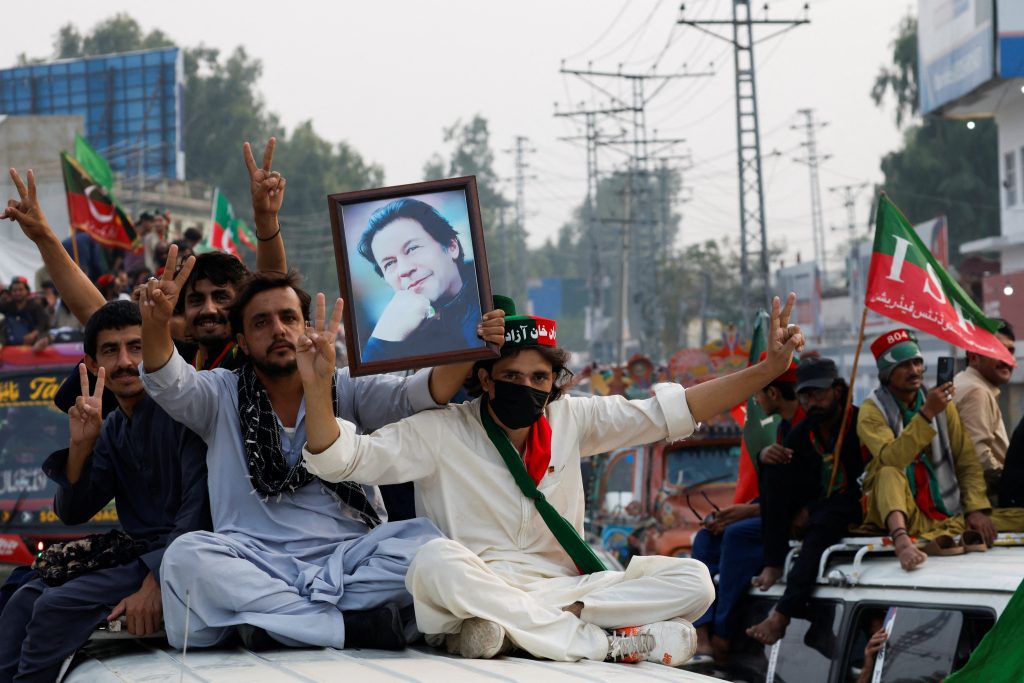
PTI also demanded access to Khan for his family, lawyers and personal physicians, arguing that these matters could not be excluded from negotiations.
Neither side accepted responsibility for the deadlock.
With no agreement in place, Afridi proceeded with the march, beginning from Lakki Marwat on October 4.
The confrontation subsequently extended into the provincial administration itself.
When Governor Kundi convened a meeting with senior officials to review security arrangements, Afridi questioned its constitutional propriety. Kundi defended his decision, maintaining that the province’s circumstances required attention regardless of the political confrontation.
The disagreement had moved beyond competing policy preferences to a question of authority within the province.
From political deadlock to federal intervention
As the march continued through KP, federal officials maintained that the provincial government’s reluctance to cooperate had made the security situation increasingly difficult to manage.
Afridi continued challenging Islamabad’s approach, particularly its reliance on military operations and what he described as decisions made without consultation.
By October 10, the federal leadership was considering a different course.
Prime Minister Shehbaz Sharif held consultations with President Asif Ali Zardari, and the federal cabinet subsequently reviewed the situation in KP. According to the presidential proclamation and cabinet decision, the federal government cited deteriorating security and the provincial administration’s alleged failure to address it.
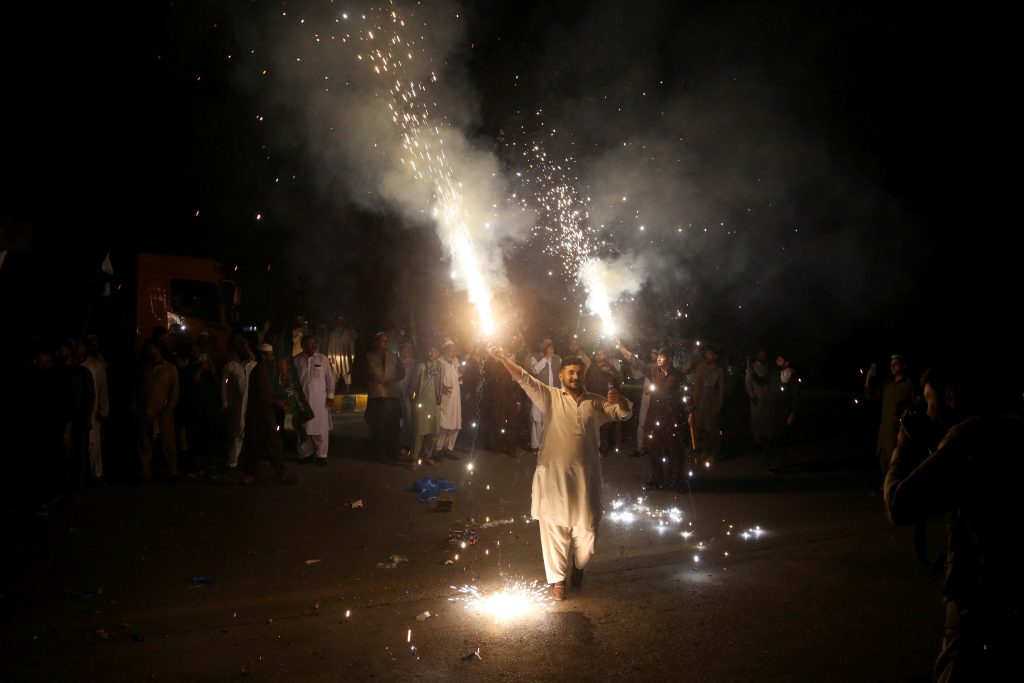
The cabinet also referred to what it described as the provincial government’s “deliberate disengagement from the fight against terrorism”.
On October 11, Zardari approved the imposition of emergency under Article 232 and governor’s rule under Article 234 of the Constitution.
The provisions serve different purposes. Article 232 concerns extraordinary threats to national security, while Article 234 allows federal intervention when the constitutional machinery of a province is considered unable to function.
Under the new arrangement, Governor Kundi assumed provincial executive functions, while the federal government announced an 11-member advisory council and a separate administrative secretariat for 12 districts affected by the security crisis.
The federal government described the intervention as necessary to restore order and improve coordination. PTI rejected it as politically motivated, arguing that it undermined provincial autonomy and the mandate of an elected government.
On October 12, Deputy Prime Minister Ishaq Dar defended the emergency, insisting that the government had acted to protect citizens rather than target a political party.
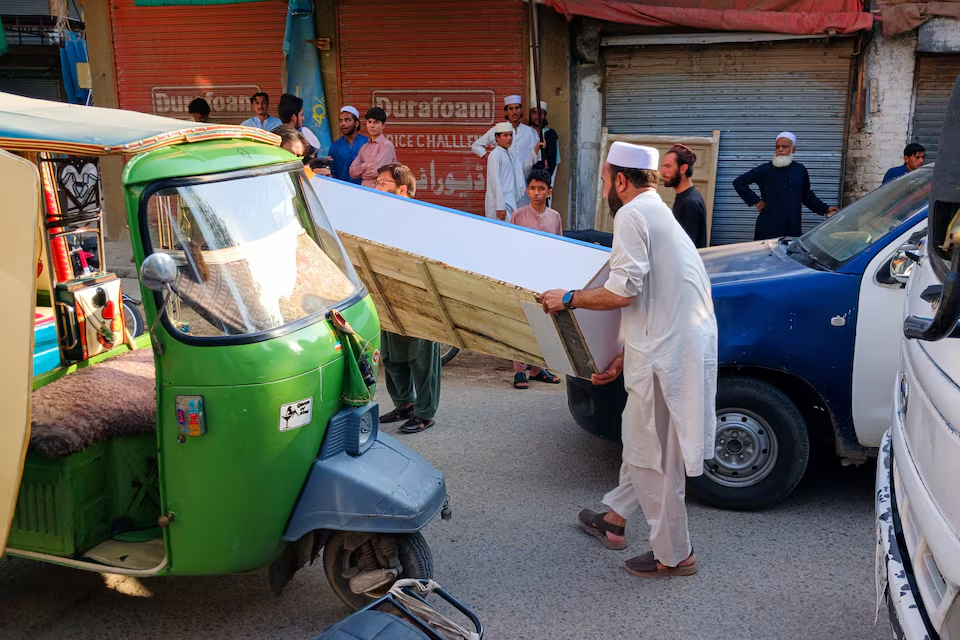
Meanwhile, containers blocked roads in Peshawar, restricting movement around the Cantonment and routes towards the Governor House. Schools remained closed and security arrangements were tightened in anticipation of PTI protests.
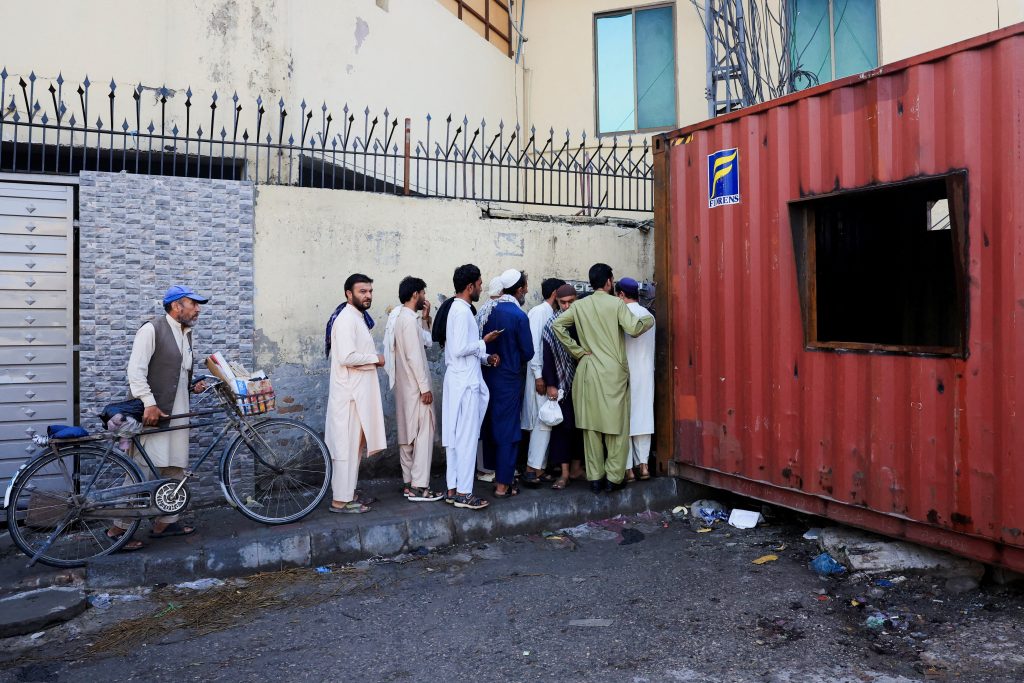
The circumstances leading to the intervention were not confined to a single disagreement. They involved longstanding differences over the province’s security policy, questions about governance, demands concerning Khan’s imprisonment and negotiations that failed to produce a political settlement.
The federal government maintained that the province’s security situation required extraordinary measures. PTI argued that those measures were an extension of the political confrontation between Islamabad and Peshawar.
By the time the containers appeared on Peshawar’s streets, the disagreements that had occupied the two governments for weeks had fundamentally changed who governed the province.
What remained unresolved were many of the questions over which the confrontation had begun.