- Aasiya Niaz
- 1 Hour ago
The strait of Hormuz: A global energy crisis unfolds
-

- Web Desk
- Mar 13, 2026
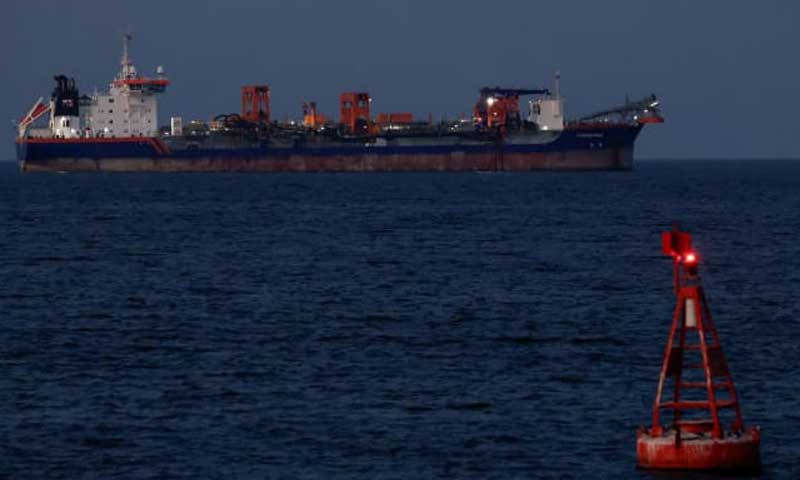
WEB DESK: The world is currently witnessing a high-stakes maritime standoff that has sent shockwaves through the global economy. As of mid-March 2026, the Strait of Hormuz the vital artery through which nearly a quarter of the world’s seaborne oil flows has become a gauntlet of fire.
According to the New York Times, following the targeting of sixteen commercial vessels by Iranian forces since late February, the strategic chokepoint is now effectively impassable. This escalation marks a significant departure from previous years of “shadow warfare,” as Tehran shifts toward an overt display of leverage, testing the resilience of international law and the resolve of Western naval powers.
A chokepoint under siege
The sheer scale of the disruption has caught global markets off guard. On 11 March, the situation reached a fever pitch when five vessels were struck in a single day, ranging from bulk carriers to sophisticated tankers. These strikes, involving a mix of loitering munitions and shore-to-ship missiles, have forced the world’s largest shipping conglomerates, including Maersk and Hapag-Lloyd, to suspend all bookings through the region.
High-profile incidents, such as the strikes on the Thai-flagged Mayuree Naree and the Safesea Vishnu, have underscored the human cost of the conflict. Consequently, the cost of maritime insurance has skyrocketed by over 1,000 per cent, making the journey through the narrow waterway an economic impossibility for most private operators.
The return of geopolitical brinkmanship
For the United Kingdom and its allies, the crisis represents a direct threat to the Carter Doctrine the long-standing strategic principle that no single power should be allowed to dominate the Persian Gulf. In response to the blockade, a U.S.-led coalition has initiated “Operation Epic Fury,” with CENTCOM reporting strikes against sixteen Iranian mine-laying vessels and various coastal assets.
However, rather than fading under pressure, Tehran is utilising “geographic leverage” to demonstrate that even sophisticated naval escorts cannot fully protect 300,000-tonne tankers against swarm tactics. As the International Energy Agency authorises a historic release of oil reserves to stabilise prices, the question remains: can diplomacy regain its footing, or is the world headed toward a permanent shift in the energy landscape?
You May Also Like