- Web Desk
- 5 Minutes ago
The strait of hormuz: Trump’s call for help goes largely unheeded
-

- Web Desk
- Mar 16, 2026
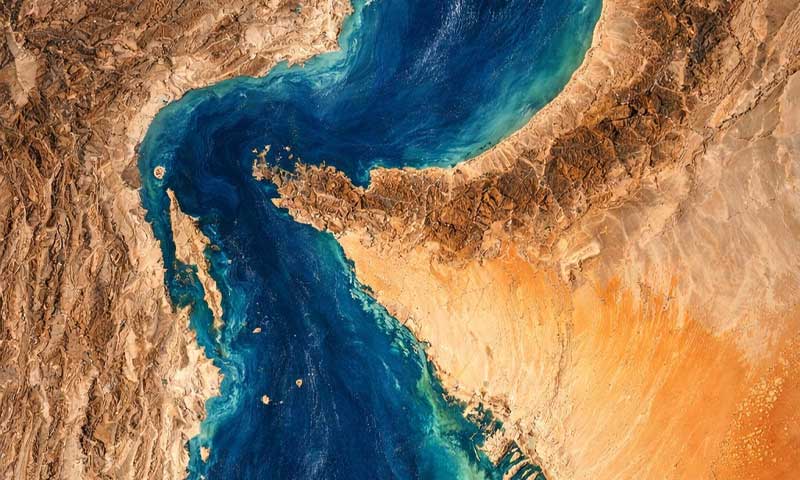
WEB DESK: The Strait of Hormuz, the narrow waterway linking the Persian Gulf to the Arabian Sea, remains one of the globe’s most critical chokepoints for oil. Roughly a fifth of the world’s daily oil supply passes through its waters under normal conditions.
But amid the ongoing war between the United States, Israel, and Iran, Tehran has declared the strait effectively closed to vessels linked to its adversaries, deploying mines, drones, fast boats, and threats that have disrupted commercial traffic and sent oil prices soaring.
Trump’s direct appeal for international warships
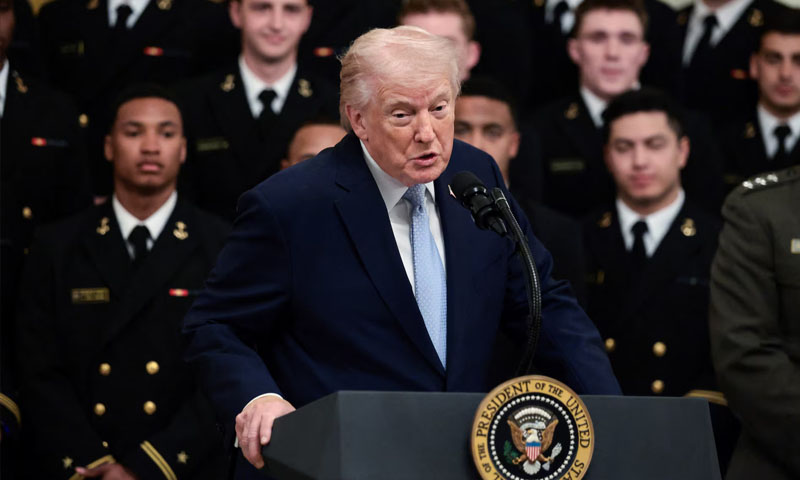
On Saturday in mid-March, US President Donald Trump posted on Truth Social with his usual forthright style. Having claimed that Iran’s military had been “totally decapitated,” he nonetheless called on other nations to join America in securing the passage.
According to International Media Source, “Many Countries, especially those affected by Iran’s attempted closure of the Hormuz Strait, will be sending War Ships, in conjunction with the United States of America, to keep the Strait open and safe,” he wrote. He specifically hoped that China, France, Japan, South Korea, the United Kingdom, and others reliant on Gulf oil would contribute vessels, promising substantial US support.
The president emphasised that those profiting from the route should help protect it, rather than leaving the task solely to Washington.
Reluctant responses from key nations
The international reaction has been cautious and non-committal so far. France has stressed that any naval role would depend on circumstances allowing it essentially after active hostilities ease and has denied immediate plans to deploy warships. The United Kingdom is “intensively looking” at options with allies and discussing possibilities, including potential mine-hunting support, but has made no firm pledge.
China has offered no commitment, with officials noting the need for stable energy supplies and de-escalation talks, while expressing hope for constructive involvement without specifics. Japan has remained silent on any official response, underscoring its independent approach, and South Korea is closely coordinating with the US but has given no confirmation of sending forces.
Other European nations, including Germany and Norway, have shown similar hesitation or outright reluctance to join any coalition in the current dangerous environment.
This broad reluctance reflects deep caution in a volatile conflict zone, where committing ships risks escalation or direct confrontation. As oil markets jitter and diplomatic efforts continue, Trump’s push for a multinational flotilla has yet to produce solid promises. The strait stays tense and uncertain, with the US pressing ahead unilaterally for now while the world weighs the risks of deeper involvement.
You May Also Like