- Web
- 39 Minutes ago
Time and space must be allowed to push for peace, says Pakistan representative to UN
-

- Web
- 9 Minutes ago
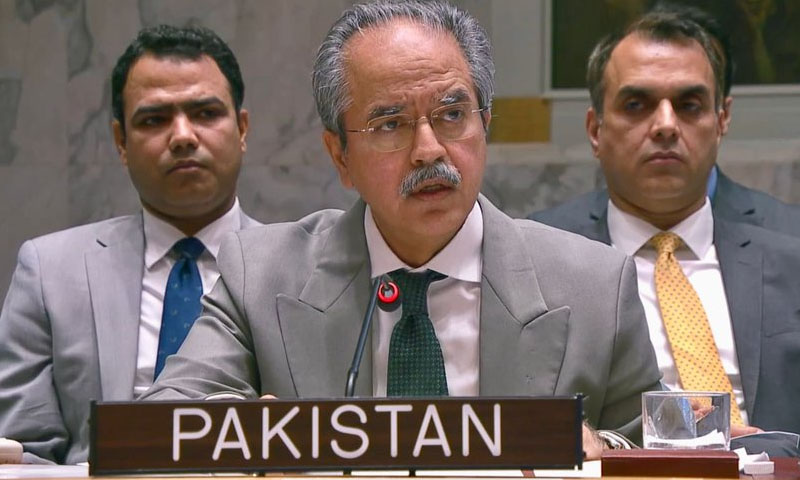
Pakistan has called for restraint, dialogue, and a renewed commitment to peace, stressing that “time and space must be allowed” for diplomatic efforts to succeed, as US-Iran war escalating tensions in the Middle East and growing global concern over the Strait of Hormuz crisis.
Addressing the United Nations, Pakistan’s representative Asim Iftikhar Ahmad underscored the country’s unwavering support for Middle Eastern nations affected by the conflict, particularly those not directly involved but bearing its consequences. He reaffirmed Pakistan’s consistent stance in favor of political integrity, regional security, and lasting peace for Muslim brotherly countries caught in the crossfire.
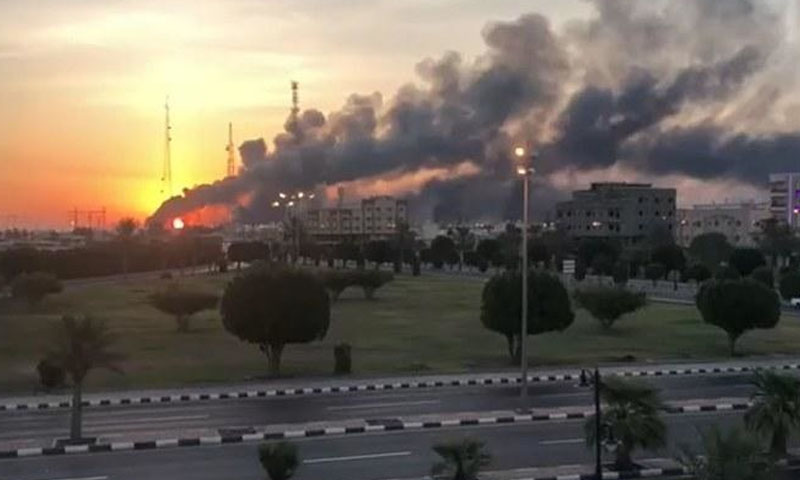
Highlighting the broader economic fallout, Pakistan pointed to the recent attacks on oil infrastructure in the region, which have triggered sharp increases in fuel prices and fertilizers, impacting not only neighboring states but economies across the globe. The disruption of energy supplies, especially through the strategically vital Strait of Hormuz, has further intensified international anxiety.
Pakistan also reiterated its alignment with China under the jointly announced five-point framework aimed at easing Middle East tensions. The framework calls for an immediate cessation of hostilities, the launch of peace talks without delay, protection of civilians and non-military targets, ensuring the safety of shipping lanes, particularly the Strait of Hormuz, and adherence to the United Nations Charter through multilateral cooperation.
Emphasizing diplomacy over confrontation, Pakistan and China stressed the primacy of international law and the UN Charter as the foundation for any sustainable resolution. “Our aim is clear: Pakistan remains committed to supporting all efforts to achieve lasting peace in the region,” the representative said.
Meanwhile, divisions within the UN Security Council were laid bare after Russia and China vetoed a resolution aimed at reopening the Strait of Hormuz. The draft, introduced by Bahrain, had already been significantly diluted in an effort to secure broader support. The vote ended 11-2, with Pakistan and Colombia abstaining.
Pakistan’s abstention reflected its balanced approach, advocating de-escalation while avoiding alignment with measures that could further inflame tensions. The representative reiterated that the immediate priority must be to halt military operations and create diplomatic space to prevent further deterioration of the situation.
With nearly one-fifth of the world’s oil supply passing through the Strait of Hormuz, the ongoing standoff has raised fears of a wider economic and humanitarian crisis. Pakistan urged all parties to exercise maximum restraint and return to negotiations, warning that continued escalation could have far-reaching consequences for global peace and stability.Time and space must be allowed to push for peace, says Pakistan representative to UN
You May Also Like