- AFP
- October 17, 2026
Timeline of Noor Mukadam case from killing to final SC ruling
-

- Ahsan Wahid
- June 4, 2026
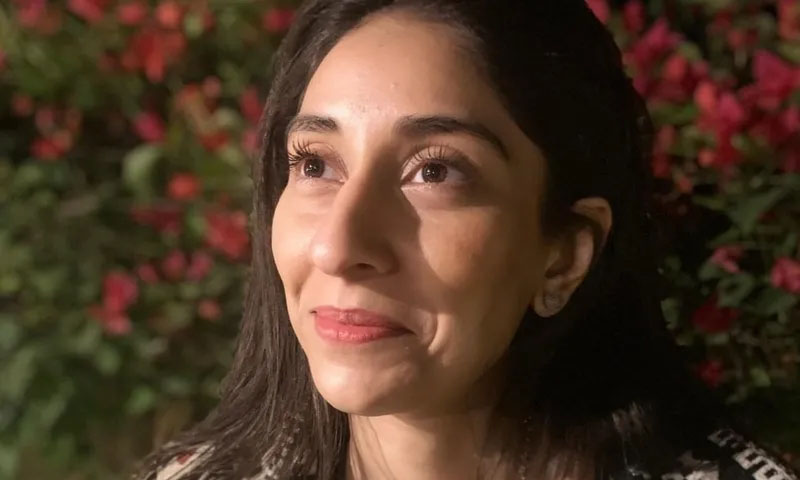
ISLAMABAD: Following the Supreme Court’s dismissal of a review petition by convict Zahir Jaffer and its decision to uphold his death sentence, key developments in the Noor Mukadam murder case are outlined below.
Noor Mukadam, a 27-year-old woman and daughter of former Pakistani diplomat Shaukat Mukadam, was murdered on July 20, 2021, in a residential area of Islamabad, according to police and court records.
Police said her body was recovered from the residence of Zahir Jaffer in Sector F-7/4 Islamabad.
Initial reports stated she was first shot and then beheaded. Jaffer, a US national and heir to one of Pakistan’s prominent business families, was arrested at the scene and an FIR was registered at Kohsar police station.
Her father, Shaukat Mukadam, received a call from the accused earlier in the day stating that Noor was not with him. Later that night, police informed him of his daughter’s murder.
Police said Jaffer had blood on his clothes at the time of arrest. Investigators also said Noor had been held hostage for two days before the killing, and that friends of the victim later alleged a history of violent behaviour by the accused.
On July 21, 2021, social media campaigns under the hashtag #JusticeForNoor emerged, with widespread public outrage across Pakistan.
On July 22, Noor was laid to rest in Islamabad’s Naval Anchorage graveyard.
On July 23, the then prime minister Imran Khan took notice of the case, directing authorities to ensure a transparent investigation. The suspect’s name was placed on the Exit Control List, and authorities began collecting forensic and international criminal record data.
The same day, police recorded statements from Jaffer’s father, Zakir Jaffer, and security staff, while DNA samples of the accused were sent for forensic testing.
On July 24, a special assistant to the prime minister said the government was closely monitoring the case. Therapy Works, where Jaffer had claimed to work as a therapist, denied authorising him for clinical practice.
Police also alleged in interim reports that staff at the facility attempted to conceal evidence.
On July 25, police arrested Jaffer’s parents and household staff on charges of allegedly concealing evidence.
Investigators said the suspect had tortured Noor using a knuckleduster before the killing. Authorities also recovered a pistol, knife and knuckleduster from the accused.
By July 27, an official social media page for Noor Mukadam’s justice campaign was launched, while the US embassy distanced itself from Jaffer, who held American citizenship. Investigators also reported recovery of disturbing videos from the suspect’s phone.
On July 30, Jaffer’s parents applied for bail while the suspect was sent for forensic and polygraph testing in Lahore. Nationwide protests and vigils against gender-based violence intensified.
On August 1, Jaffer was moved to Adiala jail on judicial remand after completion of physical custody.
On August 4, police presented call records in court showing communications between the accused, his family, and others on the day of the murder.
Defence lawyers denied wrongdoing by the parents, while police claimed the suspect had confessed to the crime and implicated others in post-crime conduct.
On August 5, Jaffer was briefly taken to hospital for medical complaints, prompting criticism over alleged preferential treatment in custody.
On August 10, authorities placed all suspects, including Jaffer’s parents, on the Exit Control List.
On August 15, a parliamentary committee sought a report on the case, while several individuals linked to Therapy Works were arrested. Later, multiple staff members were granted bail and courts ruled they were not directly involved in the murder.
On August 27, the Islamabad High Court was moved for cancellation of bail of Therapy Works employees, while legal proceedings continued across multiple forums.
On September 2, the Therapy Works CEO sought legal action against the Jaffer family, further complicating the case narrative.
On September 11, police submitted an interim challan stating that Jaffer had confessed to killing Noor after she refused to marry him. The report also alleged rape and beheading, while cyber forensic reports remained pending.
On September 19, police alleged that Jaffer’s father was complicit in the crime and had knowledge of attempts to dispose of evidence.
In February 2022, a trial court in Islamabad sentenced Zahir Jaffer to death after finding him guilty.
The case then moved through the appellate process. The Islamabad High Court upheld the conviction but altered aspects of sentencing in related charges.
On May 20, 2025, the Supreme Court dismissed Jaffer’s appeal and upheld the death sentence.
On Thursday, the Supreme Court rejected a review petition filed by Jaffer, reaffirming the death penalty and bringing another stage of the legal proceedings to a close.
The case, one of Pakistan’s most high-profile criminal trials in recent years, has remained under intense public scrutiny since 2021, highlighting issues of violent crime, investigative procedure and judicial timelines.