- WEB DESK
- October 25, 2026
Transporters’ strike over highway insecurity paralyses parts of Balochistan
-

- Zafar Ali
- June 11, 2026
By Asmat Sumalani
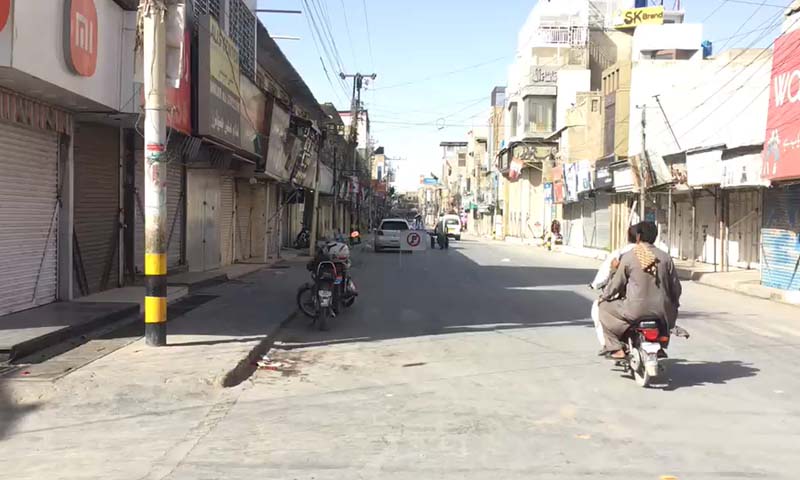
QUETTA: A major wheel-jam and shutter-down strike crippled parts of Balochistan on Thursday, as business owners, transport operators, and mine owners protested deteriorating law and order and frequent attacks on national highways.
The strike, called jointly by the Balochistan Chamber of Commerce and Industry (BCCI), transport federations, and coalmine associations, led to the closure of major commercial markets and significantly disrupted inter-district traffic in Quetta and surrounding districts.
According to organisers, the strike began on June 11 and will continue indefinitely until the provincial and federal governments provide concrete security guarantees for commercial transit routes.
Transporters said that rising militancy, extortion and targeted attacks on cargo vehicles have made trade unsustainable in the resource-rich but economically impoverished province.
Transport bodies highlighted recent incidents where armed groups intercepted cargo trucks on national highways, forcing drivers out before setting the vehicles on fire.
The BCCI stated that the persistent insecurity along key supply routes connecting Balochistan with the rest of Pakistan and neighbouring Iran and Afghanistan has brought trading activities to a near-standstill.
The strike has garnered significant traction, with several regional and national political parties issuing statements of solidarity with the business community.
Transporters and trader demanded immediate deployment of additional paramilitary forces and the establishment of secure corridors along vulnerable stretches of the highway network.
“Our trucks are being burned, and our traders are being threatened daily,” a representative from a local transport union told HUM News English. “We cannot resume normal operations until the state fulfills its primary responsibility to protect our lives and property on the roads.”
Provincial authorities stated they were engaging with the BCC leaders to negotiate a security framework and convince traders to end the strike, which risks choking supply lines to major mining and industrial zones.
You May Also Like