- Web Desk
- 38 Minutes ago
Trump administration expands travel ban: is Pakistan on the list?
-

- Web Desk
- Dec 17, 2025
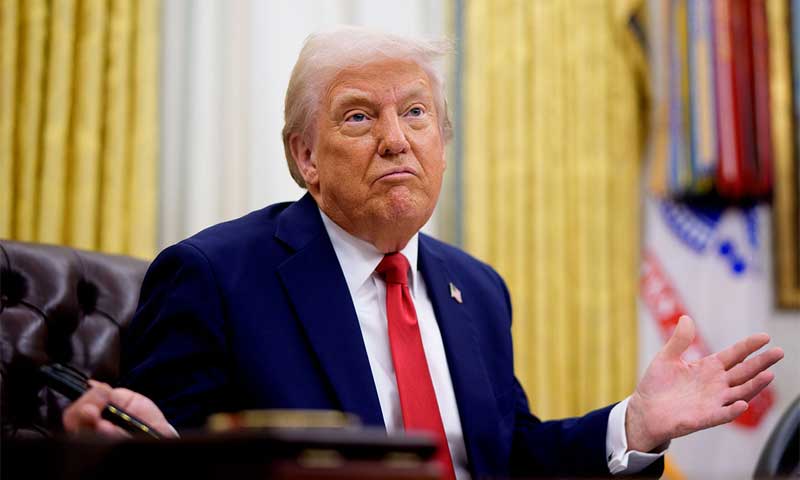
WEB DESK: The Trump administration announced a major expansion of its contentious travel ban, imposing new restrictions on travelers from an additional 20 countries and the Palestinian Authority. The move, which effectively doubles the scope of a policy revived earlier this year, intensifies the administration’s efforts to tighten U.S. immigration and entry standards, citing national security and vetting concerns. Pakistan, however, is not on the list of the countries which will now face restrictions.
The new proclamation, set to take effect Jan. 1, imposes a full travel ban on citizens from five new countries: Burkina Faso, Mali, Niger, South Sudan, and Syria. It also enacts a full ban on individuals using travel documents issued by the Palestinian Authority, marking the latest in a series of escalating U.S. restrictions on Palestinian travel.
A further 15 countries face new, partial restrictions: Angola, Antigua and Barbuda, Benin, Ivory Coast, Dominica, Gabon, Gambia, Malawi, Mauritania, Nigeria, Senegal, Tanzania, Tonga, Zambia, and Zimbabwe. The restrictions apply to both immigrants and non-immigrant visitors.
Administration officials justified the expansion by citing what they called “widespread corruption, fraudulent or unreliable civil documents,” high visa overstay rates, and a “general lack of stability and government control” in the affected nations, which they argued complicate vetting. The move follows a flurry of immigration restrictions announced after the Thanksgiving weekend arrest of an Afghan national suspected of shooting two National Guard members near the White House.
“The administration is committed to ensuring our immigration system protects the national interest and the safety of the American people,” a senior official stated.
The policy is already facing fierce condemnation from immigrant advocates and critics who view it as a blunt instrument that unfairly targets individuals based on nationality. “This expanded ban is not about national security but instead is another shameful attempt to demonize people simply for where they are from,” said Laurie Ball Cooper of the International Refugee Assistance Project.
Particular alarm was raised regarding changes affecting Afghans. The updated order removes a prior exception for those eligible for the Special Immigrant Visa (SIV), a program for interpreters and others who aided the U.S. war effort. The organization No One Left Behind said it was “deeply concerned,” arguing the policy “inadvertently restricts those who are among the most rigorously vetted in our history.”
Governments added to the restricted list reacted with concern. Dominica’s government said it was treating the issue with “the utmost seriousness and urgency,” while Antigua and Barbuda’s ambassador to the U.S., Ronald Saunders, called the matter “quite serious” and pledged to seek clarification.
The administration also adjusted statuses for some nations from the original June announcement, tightening restrictions on Laos and Sierra Leone, while easing some limits on Turkmenistan. All other prior restrictions remain in place.
Congresswoman Rashida Tlaib condemned the Trump administration’s expansion of the travel ban, labeling it an act of “racist cruelty.” She accused the policy of explicitly targeting African and Muslim-majority countries, including Palestinians, whom she described as “fleeing a genocide.” In her tweet, she argued that the architects of the policy, former President Trump and advisor Stephen Miller, are pursuing a white nationalist demographic agenda, aiming to reshape the country’s population.
This expansion resurrects and broadens a hallmark policy of President Trump’s first term, solidifying a travel framework that now impacts over 30 countries and territories, and ensuring the controversial ban will remain a central feature of his immigration legacy.
You May Also Like