- Web Desk
- 9 Minutes ago
Trump administration grants temporary reprieve to Russian oil as global energy prices surge
-

- Web Desk
- 1 Hour ago
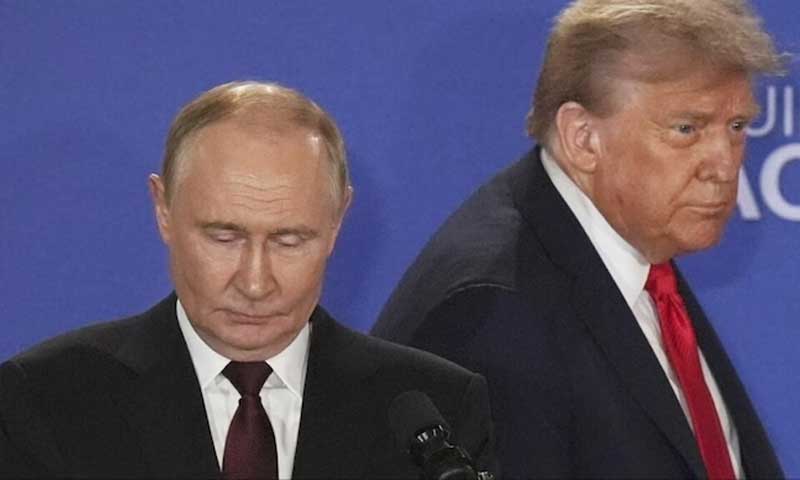
WEB DESK: In a striking recalibration of foreign policy, the administration of Donald Trump has authorised a temporary window for the sale of Russian oil, seeking to stabilise global markets as energy prices surge to critical levels.
According to Reuters, the decision, confirmed by the United States Department of the Treasury, comes amid an escalating crisis in the Middle East that has driven Brent Crude prices beyond the $100-per-barrel threshold. Under a newly issued 30-day general licence, Washington has permitted the offloading and sale of Russian crude and petroleum products that had been effectively “stranded at sea” as a result of earlier sanctions.
The measure is intended to inject immediate supply into an already strained global market, particularly following severe disruptions to shipping through the Strait of Hormuz.
Economic pressures drive strategic adjustment
While the White House insists its long-term posture towards Russia remains unchanged, the urgency of the current economic climate has clearly forced a pragmatic adjustment. Officials have characterised the waiver as a narrowly targeted intervention rather than a reversal of policy, emphasising that it applies only to cargoes already in transit for which taxes have already been paid to the Kremlin.
By allowing this “stuck” oil to reach its destinations most notably in India the administration hopes to ease pressure on soaring petrol prices that are beginning to weigh heavily on the global recovery.
Critics, however, have been swift to question the optics of the decision, arguing that it risks undermining the sanctions architecture built over the past year. The Treasury Department maintains that preventing a destabilising energy shock remains the immediate priority, warning that a further spike in oil prices could trigger broader economic fallout.
As the 30-day window takes effect, market analysts are watching closely to determine whether the additional supply will calm the volatility or whether further policy concessions may prove necessary as tensions in the Middle East continue to intensify.
You May Also Like