
- Web
- Mar 18, 2026
Trump calls for one-year cap on credit card interest rates at 10 per cent
-

- Web Desk
- Jan 10, 2026
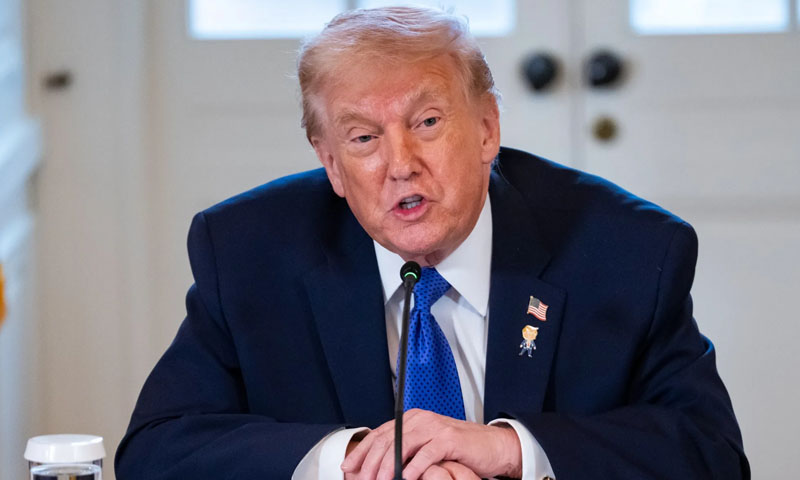
WASHINGTON: US President Donald Trump has called for a one-year cap on credit card interest rates at 10 per cent, saying Americans have been “ripped off” by credit card companies, though he did not provide details on how the proposal would be implemented or enforced.
In a post on his social media platform Truth Social, Trump said the cap would take effect from January 20, 2026, but did not outline any legislative or regulatory mechanism to compel banks and card issuers to comply.
“Effective January 20, 2026, I, as President of the United States, am calling for a one-year cap on credit card interest rates of 10 per cent,” Trump wrote, adding that consumers would no longer be allowed to be exploited by credit card companies.

Trump had also made a similar pledge during his 2024 election campaign, which analysts at the time dismissed as unlikely without congressional approval.
Lawmakers from both the Democratic and Republican parties have previously raised concerns about high credit card interest rates, though no binding legislation has yet been enacted. Republicans currently hold narrow majorities in both chambers of Congress.
Despite several legislative efforts, Trump did not publicly endorse any specific bill alongside his announcement, drawing criticism from opposition lawmakers.
U.S. Senator Elizabeth Warren, a senior Democrat on the Senate Banking Committee, said Trump’s call was meaningless without congressional action. “Begging credit card companies to play nice is a joke,” she said, adding that she would support legislation if the president was serious about capping rates.
The White House did not immediately respond to requests for clarification, but later said on social media that the president was moving to cap credit card interest rates, without providing further details.
Major U.S. banks and card issuers, including American Express, Capital One, JPMorgan Chase, Citigroup and Bank of America, declined to comment.
Banking industry groups warned that a 10 per cent cap could reduce access to credit and push consumers towards unregulated or higher-cost alternatives. In a joint statement, several banking associations said interest rates reflected lending risk and that strict caps could limit credit availability.
Brian Jacobsen, chief economic strategist at Annex Wealth Management, said credit cards are unsecured loans and restricting pricing could lead banks to cut credit lines. He added that such a move could benefit payday lenders and “buy now, pay later” firms.
Bipartisan concern over rates
Despite criticism, concern over high credit card interest rates has drawn bipartisan support in Congress. Senators Bernie Sanders and Josh Hawley previously introduced legislation to cap rates at 10 per cent for five years, while lawmakers in the House have also tabled similar proposals.
Billionaire investor Bill Ackman, who backed Trump in the last election, called the proposal a mistake.
Last year, the Trump administration also moved to scrap a rule introduced under former President Joe Biden that capped credit card late fees at $8. A federal judge later struck down the rule after the administration argued it was illegal.
You May Also Like