- WEB DESK
- October 6, 2026
Trump dismisses Iran’s peace response as ‘totally unacceptable’
-

- Zafar Ali
- May 11, 2026
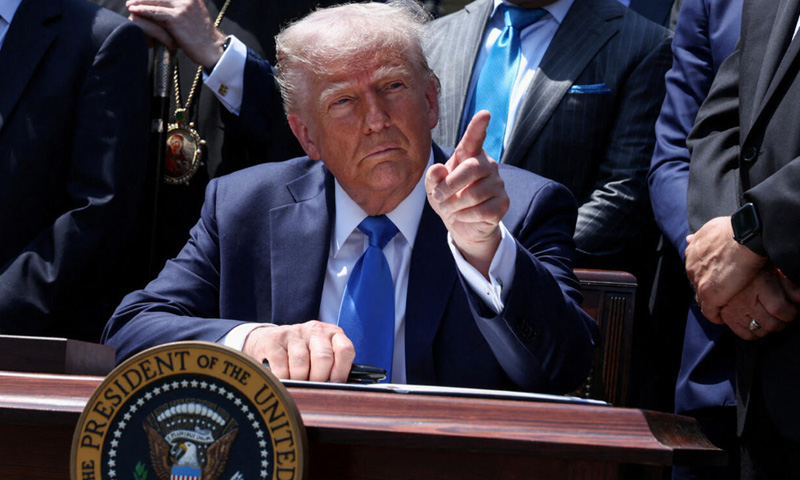
WASHINGTON: US President Donald Trump on Monday dismissed Iran’s response to a US-backed peace proposal as “totally unacceptable”, while global oil prices jumped amid fears that the conflict around the Strait of Hormuz could continue disrupting energy supplies.
The latest exchange came as tensions remained high more than 10 weeks after the conflict began, with the strategic Strait of Hormuz — through which nearly one-fifth of the world’s oil and liquefied natural gas normally passes — largely paralysed.
Iran’s response to the US proposal called for an end to the conflict across the region, including in Lebanon where Israel continues fighting Iran-backed Hezbollah militants.
Tehran also demanded an end to the US naval blockade, lifting of sanctions, guarantees against further attacks and the release of Iranian assets frozen under US pressure, according to Iranian media reports.
Iran further stressed its sovereignty over the Strait of Hormuz and sought compensation for war-related damages.
Trump swiftly rejected the proposal in a post on Truth Social.
“I don’t like it — TOTALLY UNACCEPTABLE,” Trump wrote without elaborating.
The US proposal had reportedly sought an immediate halt to fighting before broader negotiations on Iran’s nuclear programme and regional issues.
Following Trump’s remarks, Iranian Foreign Ministry spokesperson Esmaeil Baghaei defended Tehran’s position, calling it a “generous and responsible” proposal.
“Our demand is legitimate: demanding an end to the war, lifting the blockade and releasing Iranian assets,” Baghaei said, adding that regional security and safe passage through the Strait of Hormuz were also key components of Iran’s proposal.
Oil prices rose more than 3.5 per cent on Monday as concerns deepened over continued disruption to shipping through the vital waterway.
Shipping data showed limited tanker movement through the strait in recent days, with some vessels reportedly turning off tracking systems to avoid potential attacks.
The ongoing conflict has increased pressure on the Trump administration domestically and internationally, particularly as rising fuel prices weigh on US consumers ahead of congressional elections later this year.
Washington has also struggled to secure wider international support for military efforts aimed at reopening the Strait of Hormuz, with NATO allies reluctant to join operations without a broader peace agreement.
Trump is expected to visit China later this week, where the Iran conflict is likely to feature prominently in talks with Chinese President Xi Jinping.
The US president has been urging Beijing to use its influence over Tehran to push for a diplomatic settlement.
Meanwhile, Israeli Prime Minister Benjamin Netanyahu said the conflict was not over and stressed the need to eliminate Iran’s enriched uranium stockpiles, dismantle enrichment facilities and curb Tehran’s ballistic missile capabilities.
Iranian President Masoud Pezeshkian, in a social media post, said Tehran would “never bow down to the enemy” and would continue defending its national interests.
Regional tensions also remained elevated, with the United Arab Emirates, Qatar and Kuwait reporting drone-related security incidents in recent days.
Clashes between Israel and Hezbollah have also continued in southern Lebanon despite a US-brokered ceasefire announced last month.