- Web Desk
- 57 Minutes ago
Trump says US ‘hasn’t even started’ hitting Iran as Hormuz crisis deepens
-

- Web Desk
- Yesterday
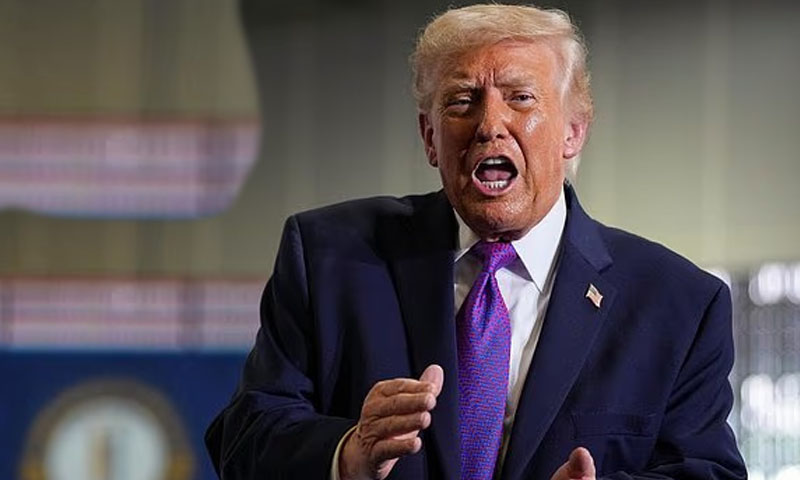
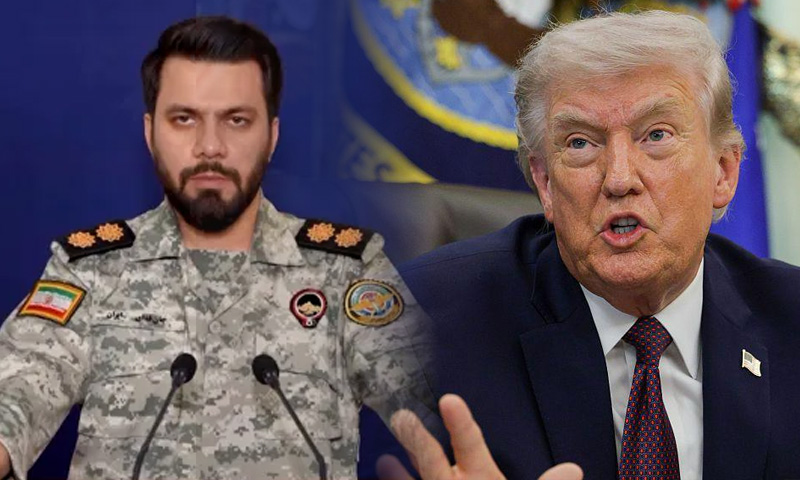
WASHINGTON: US President Donald Trump has warned that Washington could intensify strikes on Iran’s infrastructure, saying the United States “hasn’t even started” targeting what remains, as global efforts continue to reopen the Strait of Hormuz.
In a post on his Truth Social, Trump said future targets could include bridges and power plants, urging Iran’s leadership to act “fast” to avoid further escalation.
The conflict, now in its fifth week following a joint US-Israeli air campaign, has widened across the region, disrupting energy flows and unsettling global markets.
Trump’s remarks come amid stalled indirect talks with Iran’s new leadership, with little sign of progress and growing concern at home over the prolonged war.
Iran’s Foreign Minister Abbas Araqchi condemned the strikes, saying attacks on civilian infrastructure would not force Iran to surrender.
Iranian state media reported that a US strike on a newly constructed bridge between Tehran and Karaj killed eight people and wounded 95 others.
Separately, Iranian media said a drone strike hit a Red Crescent warehouse in Bushehr province, damaging aid supplies. Satellite images earlier showed smoke rising from Iran’s Qeshm island, located in the Strait of Hormuz.
Meanwhile, tensions continued to spill across the Gulf.
Kuwait said its Mina al-Ahmadi refinery was hit by drones, triggering fires but causing no casualties, while Saudi Arabia said it intercepted seven drones in recent hours.
An Iranian military spokesperson also claimed that air defences shot down a second US F-35 fighter jet over central Iran, though there was no immediate comment from Washington.
Last month, the US military said an F-35 had made an emergency landing after a combat mission over Iran, with the pilot reported safe.
War conduct concerns raised
More than 100 American legal experts have raised concerns about potential violations of international law by US forces.
In a letter, they cited remarks by Trump suggesting strikes on Iran could be carried out “just for fun,” as well as comments by US Defence Secretary Pete Hegseth about abandoning “rules of engagement.”
Trump reiterated threats against Iran’s civilian power infrastructure in a recent speech, drawing warnings of retaliation from Tehran and adding to market volatility.
Oil prices surged sharply amid fears the Strait of Hormuz — a key global oil route — could remain closed.
Global efforts to reopen Hormuz
Britain hosted a virtual meeting of around 40 countries to discuss restoring navigation through the strait, though no concrete agreement emerged.
The United Nations Security Council is expected to vote on a Bahrain-backed resolution to protect shipping, but China has opposed any move that could authorise the use of force.
China’s UN envoy Fu Cong warned that military action would escalate the crisis further.
Iran has effectively shut the strait in response to the conflict and has proposed new controls requiring ships to obtain permits in coordination with Oman.
European Union foreign policy chief Kaja Kallas rejected the idea, saying international law does not allow countries to charge for passage.
Fears of wider economic fallout
Analysts warn the conflict could give Iran greater leverage over regional energy supplies, raising fears of prolonged disruption.
Gulf states have so far avoided direct military retaliation despite repeated attacks, seeking to prevent a broader regional war.
Thousands have been killed and tens of thousands injured since the conflict began, while humanitarian agencies warn of rising medical needs and potential shortages.
Fuel disruptions are already impacting Asian economies and could soon affect Europe, while UN agencies caution that the crisis may trigger economic slowdown and a cost-of-living crisis in parts of Africa.
You May Also Like