- WEB DESK
- October 6, 2026
Trump says US will hit Iran “very hard tonight” to seize Kharg Island
-

- Zafar Ali
- June 11, 2026
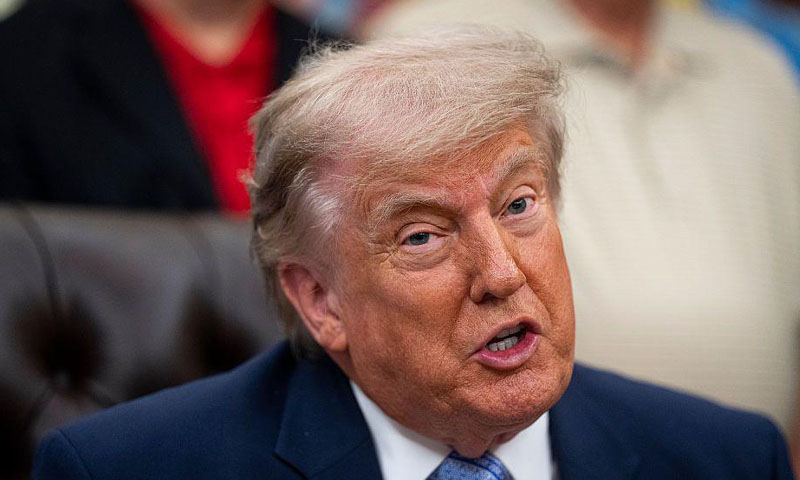
WASHINGTON: US President Donald Trump has issued a chilling warning to Iran, stating that the United States will hit the country “very hard tonight” with a view to eventually seizing Kharg Island—Tehran’s principal oil infrastructure hub. The latest escalation follows a intense round of tit-for-tat air strikes in the Gulf, which has effectively shattered the fragile ceasefire brokered in early April.
The rhetoric from Washington comes amidst contradictory signals from the region. While military hostilities have spiked, three Iranian sources and Western officials confirmed that indirect backchannel talks on a preliminary peace deal have simultaneously “intensified.” However, the severe deterioration on the battlefield has clouded hopes for a swift conclusion to the three-month-old war.
In a fiery social media post on Thursday, President Trump declared that the US would launch a massive bombing campaign to completely incapacitate what remains of Iran’s military capabilities.
“The United States will be hitting Iran (Whose Navy, Air Force, Radar, Anti Aircraft, and all other forms of Defense, together with most its offensive capability, are GONE!), VERY HARD TONIGHT,” Trump posted.
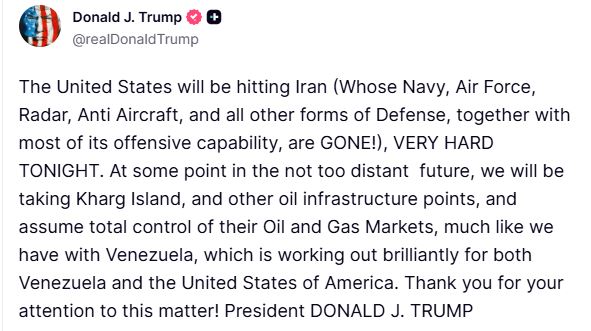
He further signaled a massive shift in US strategic goals by eyeing Iran’s energy infrastructure: “At some point in the not too distant future, we will be taking Kharg Island, and other oil infrastructure points, and assume total control of their Oil and Gas Markets.”
Kharg Island is a key Iranian oil export terminal with major strategic importance.
Historically, it handles around 2 million barrels of oil per day, accounting for approximately 2 per cent of global supply. The facility is a critical hub in Iran’s energy infrastructure and plays a central role in its crude oil exports.
The bulk of crude oil exported from Kharg Island is shipped directly to China, making it a significant node in Iran–China energy trade flows. Minimal for now, as crude flows were already suspended by a US naval blockade.
The Iranian Foreign Ministry pushed back against Trump’s threats, stating that the latest wave of American air raids has rendered the April ceasefire completely meaningless. U.S. Defense Secretary Pete Hegseth, however, defended the aggressive posture on Wednesday, stating, “If we need to negotiate with bombs, we’ll negotiate with bombs, and we’re very good at it.”
Deadlock Over Frozen Assets
Despite the military posture, negotiators are scrambling to salvage a political understanding. The primary sticking point remains the mechanism to unfreeze billions of dollars in Iranian oil revenues trapped in foreign banks:
Tehran wants its multi-billion-dollar foreign assets released directly to its central treasury to offset a crumbling economy. It is also demanding an end to Israeli strikes in Lebanon against Hezbollah, the lifting of economic sanctions, and formal recognition of its control over the Strait of Hormuz.
Washington is refusing any direct cash transfers, insisting instead that the funds be unlocked in heavily monitored phases strictly for purchasing humanitarian goods. Trump has maintained that any final peace deal must include permanent guarantees that Iran will never develop a nuclear weapon—an ambition Tehran consistently denies.
The latest round of violence erupted following Monday’s downing of a US Apache helicopter near the Strait of Hormuz. In retaliation, American fighter jets hit surveillance hubs and air defense sites across Iran on Thursday, leaving five civilians injured.
Iran’s Islamic Revolutionary Guard Corps (IRGC) immediately launched massive counter-strikes using ballistic missiles and drones against US military installations at airbases in Kuwait, Jordan, and Bahrain, alongside a direct strike targeting the US Navy’s Fifth Fleet in Bahrain. The strikes prompted Kuwait to briefly close its airspace, while intercepted drone debris in Bahrain caused minor injuries to an 11-year-old girl.
Diplomatic Headaches for the White House
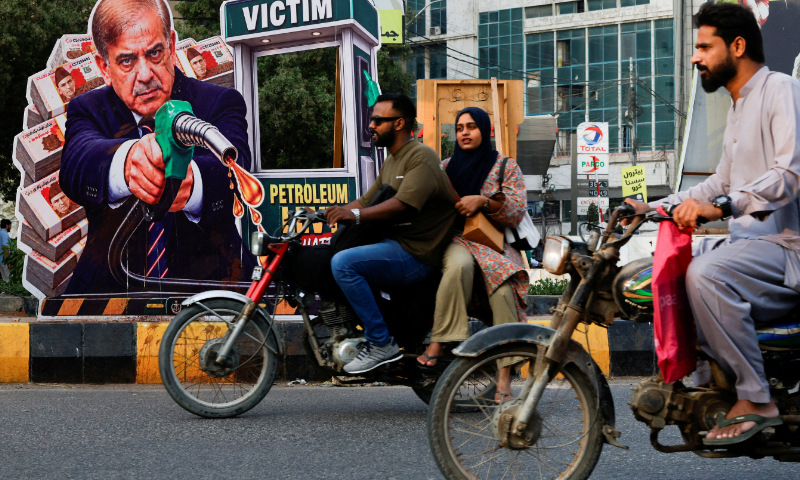
The prolonged conflict is taking a heavy domestic toll on the Trump administration. Sinking approval ratings amid soaring domestic gasoline prices have left Republicans deeply concerned about losing control of Congress in November’s midterm elections.
Adding to Washington’s diplomatic woes, India has launched a fierce protest against the US military. New Delhi has demanded an immediate halt to attacks on commercial shipping after three Indian sailors were killed in a US military strike on a tanker off the coast of Oman. Indian Foreign Ministry spokesperson Randhir Jaiswal told reporters that the US Navy has targeted at least three commercial vessels manned by Indian crews this week alone under the guise of its anti-Iran maritime blockade.