Trump threatens fresh Iran strikes after New Year as Israel pushes for earlier attack
-

- WEB DESK
- November 23, 2026
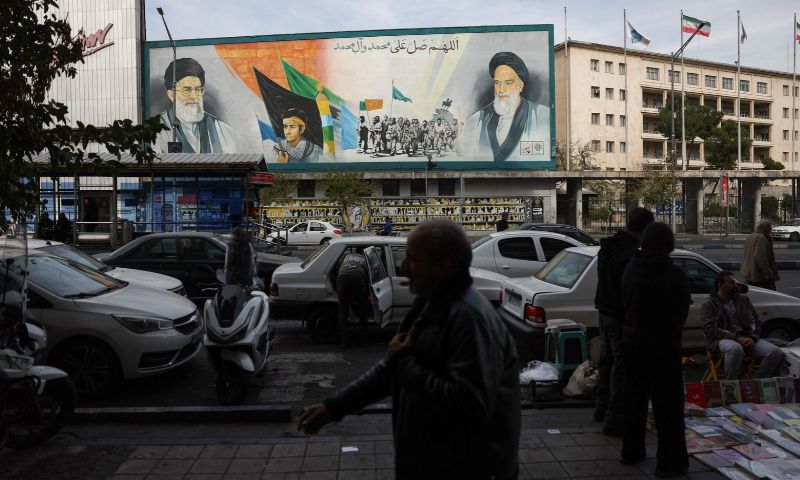

US President Donald Trump has warned that Washington could resume military strikes against Iran after the New Year if negotiations fail to produce an agreement, even as Israel reportedly presses for an earlier offensive against Tehran amid escalating tensions in the Middle East.
Speaking to Fox News on Sunday, Trump said he was inclined to resume strikes against Iran after the start of 2027, accusing Tehran of prolonging negotiations while maintaining an increasingly confrontational posture towards Washington.
The US president also issued a warning over Iran’s reported plans to challenge the American naval blockade, saying Iranian vessels attempting to breach it would “all be at the bottom of the sea like the rest of the navy.”
His remarks come amid renewed uncertainty over whether Washington intends to continue its economic and military pressure on Tehran or launch another major offensive following months of conflict.
According to Israeli outlet Ynet, the Trump administration has decided to postpone any potential military operation against Iran by at least a week, despite pressure from Israeli Prime Minister Benjamin Netanyahu to launch a joint offensive.
The report, citing US administration officials, said Trump was unlikely to authorise military action in the coming days and could instead wait until after the New Year.
Iran warns of consequences, keeps diplomatic channels open
Iranian officials have maintained that Tehran remains prepared for further confrontation while continuing diplomatic contacts with Washington.
Iran’s deputy foreign minister said on Sunday that negotiations with the United States were continuing, but warned that the country was prepared for any possible scenario.
Parliament Speaker Mohammad Bagher Ghalibaf also called for stronger and lasting deterrence, arguing that Iran needed to eliminate the continuing threat of war.
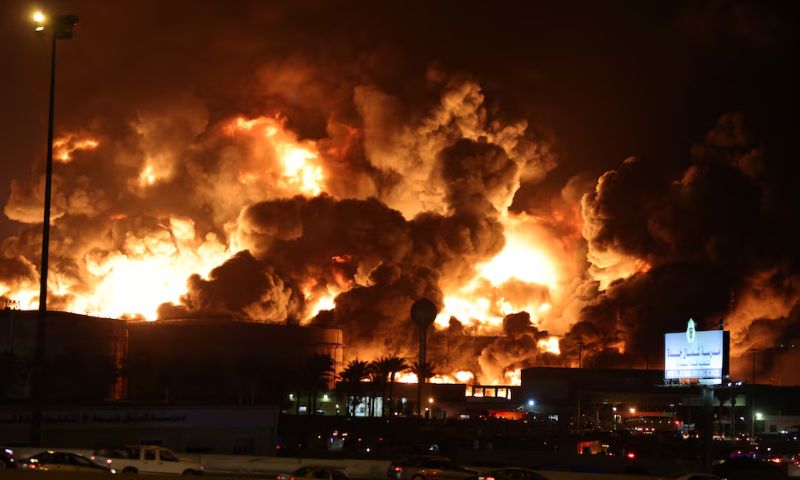
The warnings came as regional tensions intensified following attacks on Bahrain that drew condemnation from Saudi Arabia, Qatar and the United Arab Emirates.
The three Gulf countries condemned attacks targeting Bahrain, including an incident involving a civilian industrial facility, and expressed support for the kingdom’s security and sovereignty.
The developments have heightened concerns over the possibility of renewed hostilities affecting neighbouring Gulf states and international shipping routes.
Pakistan, regional powers seek diplomatic breakthrough
Despite the increasingly confrontational rhetoric, regional governments are continuing efforts to bring Washington and Tehran back to negotiations.
Egyptian Foreign Minister Badr Abdelatty told CNN on Sunday that a diplomatic agreement remained possible, warning that another military escalation could have devastating consequences for the Middle East.
“I believe that there is a possibility for dialogue, for reaching a deal, and for reaching a compromise,” Abdelatty said.
He said Egypt was coordinating with Pakistan, Qatar, Saudi Arabia and Turkiye to revive negotiations and develop confidence-building measures between the two sides.
“The problem, sometimes, is the lack of mutual trust,” he added.
Pakistan has remained involved in regional diplomatic efforts, with Deputy Prime Minister and Foreign Minister Ishaq Dar discussing developments with Saudi Foreign Minister Prince Faisal bin Farhan during a telephone conversation on Sunday.
Meanwhile, Prime Minister Shehbaz Sharif is expected to visit Tehran on December 3 for the Economic Cooperation Organization summit, following a planned visit to Russia, The News reported, citing diplomatic sources.
The visit could provide another opportunity for regional consultations, although the prime minister’s official travel schedule has yet to be announced.
Netanyahu pushes for earlier military action
Netanyahu is reportedly advocating a short but intensive military campaign that could significantly weaken Iran’s government and potentially bring about its collapse.
According to Ynet, the Israeli prime minister believes a coordinated offensive lasting several days could achieve results that the ongoing economic blockade has so far failed to deliver.
However, Trump’s advisers remain divided over the proposed operation, with some questioning whether another round of strikes would achieve Israel’s objectives or further destabilise the region.
The report said Israeli forces had increased their readiness for possible military operations or an Iranian surprise attack, although officials acknowledged that the final decision on a joint offensive rested with Washington.
Meanwhile, Israeli broadcaster i24NEWS reported on Sunday, citing Israeli security officials, that US Central Command (CENTCOM) was operating at maximum readiness and favouring military action against Iran.
An unnamed US source told the broadcaster that CENTCOM wanted Washington either to proceed with an attack or reduce its heightened military posture amid uncertainty surrounding Trump’s decision.
The reported military assessments have not been publicly confirmed by the Pentagon.
Iran war costs mount as US lawmakers demand answers
The possibility of further military action has also raised questions in Washington about the financial and political costs of the conflict.
The US military’s operational and munitions replacement costs had reached approximately $48.3 billion by November 13, according to figures disclosed by a Pentagon budget official and reported by the AP.
However, the estimate excludes damage to American military installations across the Middle East, suggesting the overall financial burden could be substantially higher.
The Atlantic reported on Sunday that the Pentagon had restricted congressional access to military facilities in the region and limited the release of information concerning the conflict’s costs and casualties.
The publication reported that Defence Secretary Pete Hegseth had introduced restrictions requiring his approval for Pentagon support of congressional visits to the region.
Democratic Senator Chris Murphy and Republican Senator Joni Ernst were reportedly denied access to military bases during separate visits to the Gulf.
The growing scrutiny comes as Democrats prepare to assume control of the House of Representatives in January.
Incoming House Speaker Hakeem Jeffries told CBS News on Sunday that Democrats would seek to end the conflict, linking the war to higher fuel and living costs for American households.
“We need to end this reckless and costly war of choice in Iran,” Jeffries said.
For now, Trump’s warning has introduced a possible new timeline for military escalation without establishing whether another offensive will take place.
With Israel pushing for action, Iran maintaining its military readiness and regional powers seeking a negotiated settlement, the coming weeks could determine whether the confrontation moves towards diplomacy or another round of hostilities.
You May Also Like


- Reuters
- November 22, 2026