- Web
- 1 Hour ago
Trump urged to draw Canada and Mexico into China EV trade row
-

- Web Desk
- Feb 25, 2026
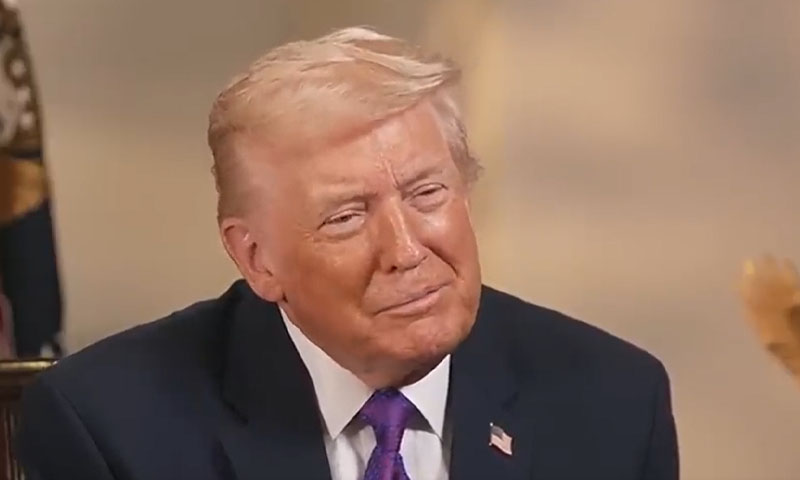
WEB DESK: Five Democratic senators have urged US President Donald Trump to use upcoming trade talks with Canada and Mexico to tighten restrictions on Chinese electric vehicles (EVs), according to a letter reported by Reuters.
The appeal centres on the review of the United States-Mexico-Canada Agreement (USMCA), the regional trade pact negotiated during Trump’s first term and brought into force in 2020 to replace the North American Free Trade Agreement. The agreement is due for review this year, with the possibility that it could lapse or be renegotiated.
In their letter to the Office of the US Trade Representative, the senators warned that Chinese EVs entering Canada and Mexico could ultimately gain indirect access to the wider North American market.
“USMCA must also be strengthened to meet the threats posed by Chinese competition, particularly Chinese cars,” the letter reportedly states. “The economic and national security risks of Chinese vehicles entering the North American market are no longer a future threat, they are here today.”
Escalating trade tensions
The United States and China have been locked in a protracted trade war for years, marked by successive rounds of tariffs and accusations of unfair trade practices. Chinese-made EVs have effectively been shut out of the US market through steep tariffs and regulatory barriers.
Under the previous administration, tariffs on Chinese EVs were raised from 25 percent to 100 percent. Executive orders signed by Trump shortly after returning to office in January 2025 reportedly lifted the total effective import tariff to 127.5 percent.
Meanwhile, Canada has moved in a different direction. During a recent visit to Beijing, Canadian Prime Minister Mark Carney secured a preliminary trade arrangement with China that includes provisions for electric vehicles. The deal allows up to 49,000 Chinese-made EVs into Canada at a reduced tariff rate of 6.1 percent, down from 100 percent.
In exchange, Beijing agreed to lower tariffs on key Canadian exports, including canola seed and other agricultural goods.
Trump has previously dismissed the USMCA as “irrelevant”, raising uncertainty over its future. Critics within his own country now appear keen to use the review process as leverage to ensure that Chinese manufacturers do not gain a foothold in North America via neighbouring markets.
Beijing, for its part, has accused Washington of breaching World Trade Organization rules and applying “double standards”, describing the tariff regime as harmful to global economic cooperation. Chinese officials have vowed to “fight to the end” in the continuing dispute.
You May Also Like