- Web
- 1 Hour ago
Trump’s birthright citizenship order could affect 250,000 babies annually
-

- Web
- 3 Minutes ago
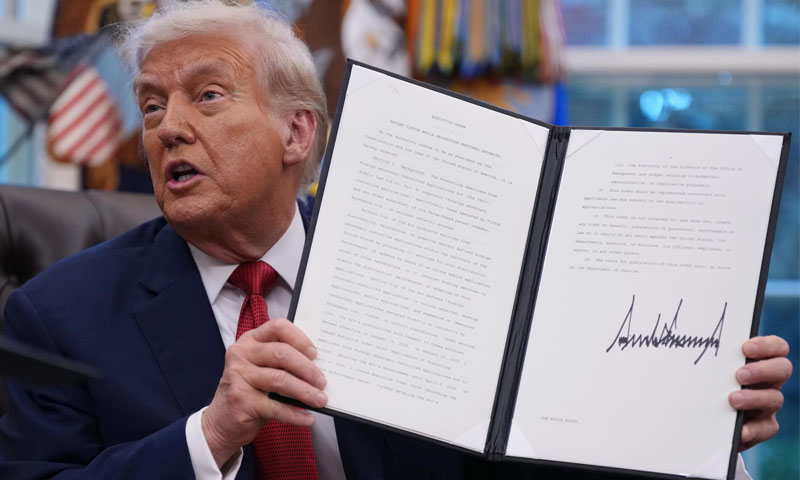
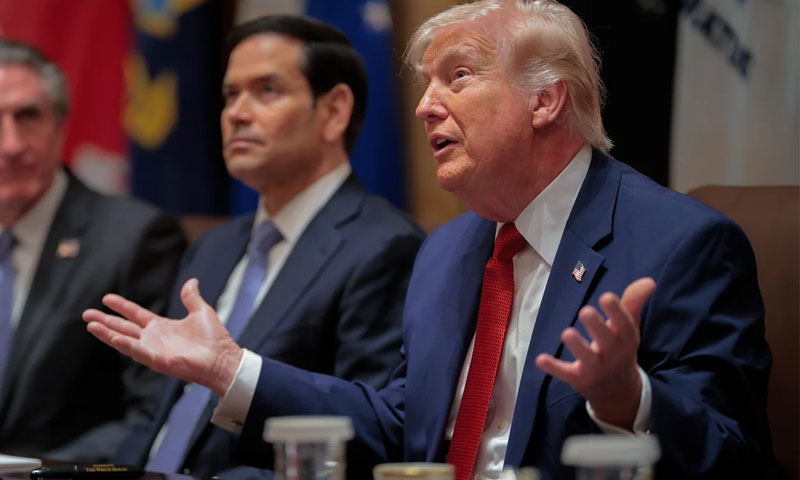
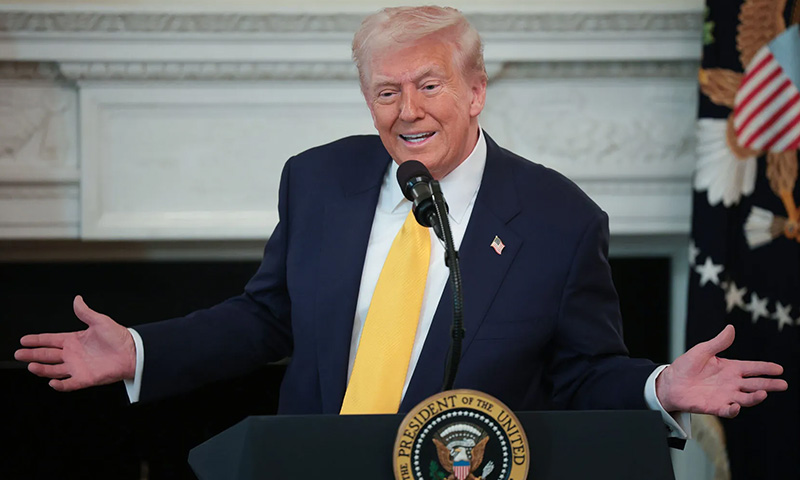
WASHINGTON: With President Donald Trump present in the Supreme Court for a historic visit, justices signalled serious scepticism over the legality of his directive to limit birthright citizenship, a move that could affect up to 250,000 babies born in the United States each year.
Trump’s executive order, issued last year on his first day back in office, directs US agencies not to recognise citizenship for children born in the US if neither parent is an American citizen or legal permanent resident. The policy challenges the long-standing interpretation of the 14th Amendment, which grants citizenship to nearly all children born on US soil.
During more than two hours of arguments, both conservative and liberal justices pressed the Justice Department lawyer defending Trump’s policy. Chief Justice John Roberts described the administration’s argument as “quirky,” noting that it seeks to expand exceptions historically limited to children of foreign diplomats or occupying enemy forces.
Liberal justices also expressed concern about overturning a century-old understanding. Justice Sonia Sotomayor referenced congressional debates from the 1860s, highlighting that lawmakers intended the 14th Amendment to ensure citizenship for all US-born children. Justice Elena Kagan noted that the administration’s interpretation is unsupported by the text of the Constitution.
The policy could have far-reaching effects. Experts estimate that if upheld, the order would force families of hundreds of thousands of children each year to prove their citizenship status. It would also reshape legal norms established by the 1898 Supreme Court case United States v. Wong Kim Ark, which affirmed birthright citizenship for children of foreign nationals.
The administration argues the policy would curb “birth tourism” and reduce incentives for illegal immigration, claiming that citizenship should only be granted to children whose parents have “primary allegiance” to the US, such as citizens or permanent residents.
Outside the courthouse, demonstrators voiced opposition to the policy, holding signs that read “Hands off birthright citizenship” and “Don’t let Trump change the Constitution.”
The Supreme Court is expected to issue a ruling by the end of June, with millions of children’s citizenship rights potentially hanging in the balance.
You May Also Like