- Web Desk
- 2 Hours ago
U.S. urges citizens to depart Iran immediately as high-level talks loom in Oman
-

- Web Desk
- Feb 06, 2026
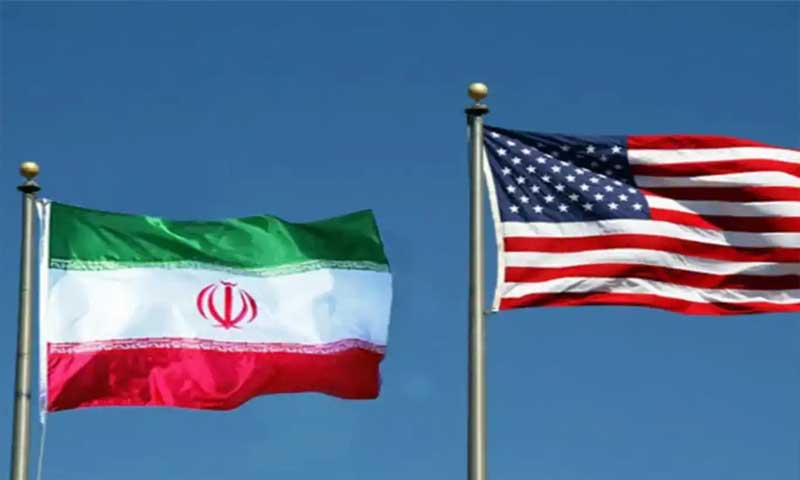
WEB DESK: American authorities have issued an urgent security warning advising all U.S. citizens currently in Iran to leave the country without delay and to arrange their own exit routes independent of any government support.
According to CNBC, the alert, released early Friday by the U.S. Virtual Embassy in Iran, comes just hours before scheduled negotiations between Washington and Tehran, set to take place in Oman. Officials from both sides have indicated that significant gaps persist regarding the meeting’s objectives and expectations.
Leading the American delegation will be Special Envoy Steve Witkoff, alongside son-in-law of President Donald Trump Jared Kushner. Iran’s team is expected to be headed by Foreign Minister Abbas Araghchi, according to statements from representatives in both capitals.
The encounter marks the first formal face-to-face engagement between the two governments since last June’s 12-day conflict involving Israel, during which U.S. airstrikes inflicted major damage on Iran’s primary nuclear installations.
The United States has repeatedly issued departure advisories for its nationals in Iran in recent weeks, including a similar notice on January 14 amid discussions within the Trump administration about potential targeted military responses.
Washington’s core conditions for any agreement include the complete elimination of Iran’s enriched uranium reserves, strict curbs on its ballistic missile capabilities, and an end to support for armed groups across the Middle East. President Trump has repeatedly warned of military consequences should Tehran reject these terms.
Iranian officials have firmly rejected what they describe as violations of national sovereignty, vowing a strong and proportionate response to any aggression including strikes on American military assets in the region and Israeli targets.
Tensions across the broader Middle East remain elevated, with the U.S. reinforcing its naval and air presence in the Gulf. The deployment includes a large carrier strike group centered on the USS Abraham Lincoln, described by Trump as a “massive armada” positioned to underscore American resolve ahead of the discussions.
Analysts view the prospects for meaningful progress or reduced hostilities as dim. Bob McNally, head of Rapidan Energy Group, noted that fundamental positions are “widely divergent, with virtually no mutual confidence,” assigning a roughly 75 percent likelihood of armed confrontation in the near term ranging from naval blockades resembling those seen in Venezuela to pinpoint or broader military operations.
The dialogue was initially planned for Istanbul, with Turkey playing a central mediating role and anticipated participation from the foreign ministers of Egypt, Qatar, Saudi Arabia, and Turkey. However, Iran requested a swift adjustment earlier this week, insisting the talks be held in Oman with participation restricted solely to American and Iranian representatives.
No breakthroughs have been reported from preliminary exchanges, leaving open the possibility of renewed escalation if the Oman meeting fails to produce results. Both sides continue to issue public statements emphasizing their red lines, while regional and international observers monitor developments closely for signs of either diplomatic movement or heightened military risk.
You May Also Like