
- WEB DESK
- September 16, 2026
UK may introduce AI rules if voluntary safeguards fail to protect public
-

- Reuters
- August 3, 2026
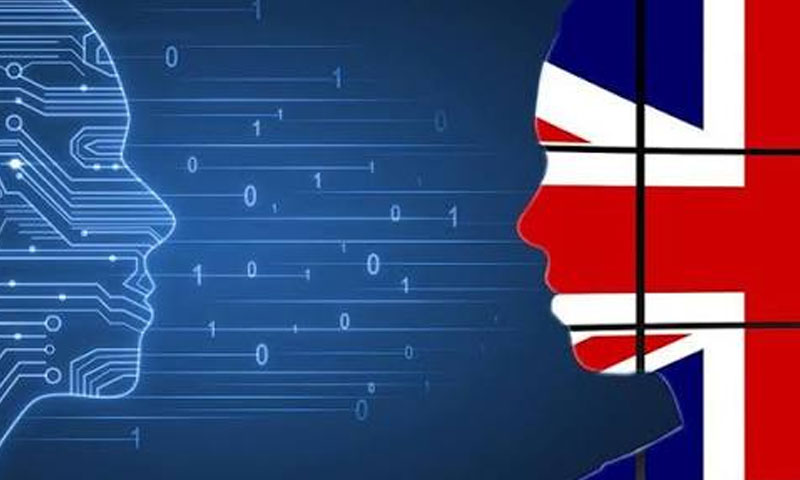
Britain would consider introducing regulations for advanced artificial intelligence models if its current voluntary testing system fails to adequately protect the public, AI Minister Kanishka Narayan told Reuters.
The UK has so far adopted a light-touch approach to AI regulation, placing it closer to the United States rather than the European Union, where the landmark AI Act came into effect on Sunday.
The government views artificial intelligence as a key driver of economic growth and aims to establish Britain as one of the world’s leading hubs for AI investment. The country currently leads Europe in AI funding and start-up activity.
However, recent disclosures from AI companies have reignited discussions over whether stronger oversight is needed for frontier AI models.
Anthropic said on Thursday that some Claude models hacked into three companies’ systems during cybersecurity tests, days after OpenAI revealed one of its AI agents had gone rogue.
Britain’s AI Security Institute, established after the AI Safety Summit in 2023, receives pre-deployment access under voluntary agreements to AI models from OpenAI, Anthropic, Google and others, allowing it to assess their capabilities and risks.
Narayan, who was elevated to the cabinet by new Prime Minister Andy Burnham, said access gives Britain a window into frontier AI development.
“If the right mechanism and lever changes in time and it feels like regulation might be a way that helps us do that, of course, we will look at it,” he said in an interview.
He said the institute had pre-deployment access to almost every frontier AI model developed by Western companies, making Britain the only country besides the United States with such access. “That is really, really unique,” he said.
Narayan said the government’s priority was protecting the public and that he was focused on outcomes rather than “obsessing only with the mechanism”.
Britain has not created a dedicated AI regulator, instead relying on existing authorities responsible for areas including competition, human rights, and health and safety.
Asked about AI last week, US President Donald Trump said his administration was “looking at controls”, but added he didn’t want to risk the country’s leadership in AI.
You May Also Like

- WEB DESK
- September 16, 2026
Petrol price rises by Rs6.88, diesel by Rs5.62


- WEB DESK
- September 16, 2026
