- Web
- 5 Hours ago
Ukraine dispatches 200 military experts to Gulf to counter Iranian drone threat
-

- Web Desk
- Mar 18, 2026
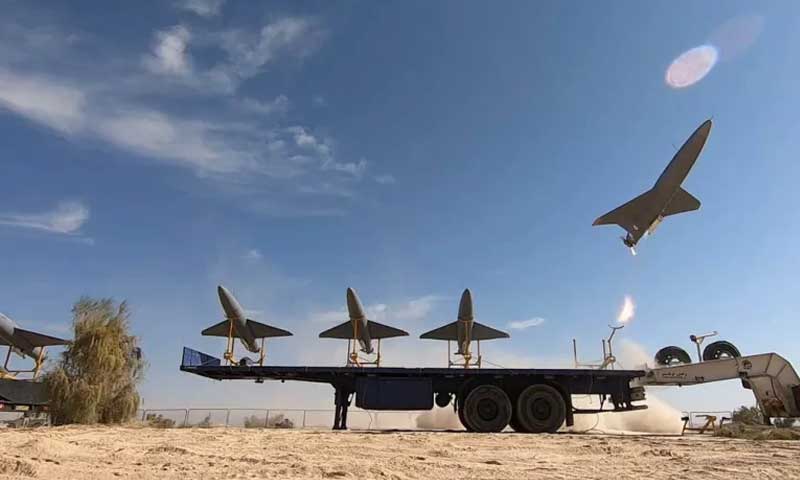
WEB DESK:Ukraine has deployed more than 200 elite military specialists to the Gulf region in a strategic move aimed at neutralising the growing threat of Iranian-manufactured loitering munitions. Addressing members of Parliament in London on Tuesday, President Volodymyr Zelenskyy confirmed that 201 Ukrainian anti-drone experts are currently active across the Middle East, with a further 34 personnel prepared for immediate deployment.
The contingent consists of veteran electronic warfare operators and technicians who have spent years refining tactics against the “Shahed” kamikaze drones frequently utilised by Russia.
This exchange of tactical expertise is expected to provide Gulf nations specifically the Emirates, Qatar, Saudi Arabia, and Kuwait with battle-hardened solutions to protect critical infrastructure from the “low-cost destruction” favoured by Tehran and Moscow.
A strategic pivot in global security
The arrival of Ukrainian personnel in the Middle East marks a notable shift in the geopolitical landscape, as Kyiv transitions from a recipient of international aid to a provider of specialised security expertise. President Zelenskyy noted that the cooperation between Russia and Iran has effectively merged these two theatres of conflict, describing the regimes as “brothers in weapons.
” By exporting their knowledge, Ukraine is seeking to ensure that “regimes built on hatred” do not succeed in destabilising their neighbours.
Military analysts suggest that this deployment is a sophisticated piece of “drone diplomacy.” While Ukraine provides the technical “know-how” to down sophisticated UAVs, it gains further diplomatic leverage and potential investment from some of the world’s wealthiest energy exporters.
“If a Shahed needs to be stopped in the Emirates we can do it,” Zelenskyy told the British MPs, framing Ukraine as a global hub for interceptor technology.
Technical prowess and the London partnership
Central to this mission is Ukraine’s newly developed prowess in drone manufacturing. The President claimed that 90 per cent of Russian losses on the front lines are now caused by Ukrainian drones. Kyiv has reportedly scaled its production to 2,000 interceptors per day, half of which are earmarked for export to allies.
This technical edge was a key focus of talks at 10 Downing Street, where Prime Minister Keir Starmer and the Ukrainian leader signed a “defence partnership” to combine British industrial strength with Ukrainian battlefield innovation.
However, the geopolitical ripples of this move are already being felt. While the UK and NATO allies have welcomed the collaboration to prevent President Putin from benefiting from Middle Eastern instability, voices in Washington have been more measured.
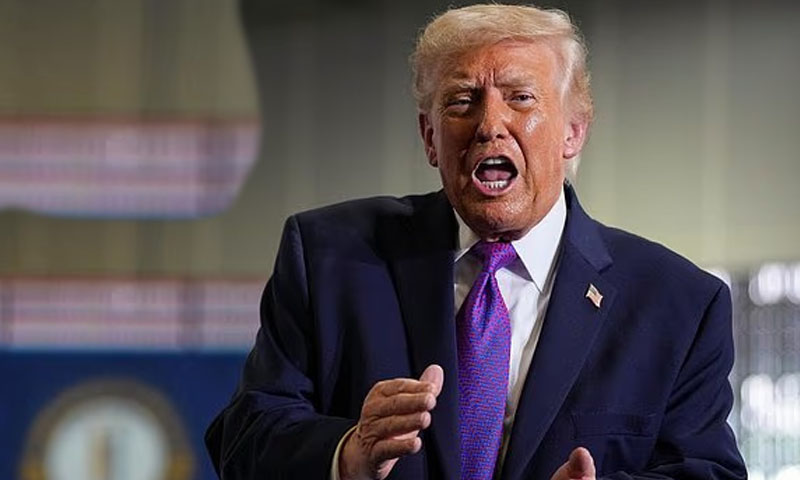
Despite Ukraine’s offer of assistance, US President Donald Trump has indicated that he does not require Kyiv’s help in countering Tehran’s drones. Nevertheless, for the Gulf states currently in the flight path of these “kamikaze” weapons, the arrival of Ukrainian experts offers a unique, battle-proven shield against modern asymmetric warfare.
You May Also Like