
- WEB DESK
- October 25, 2026
UN agency says more than 60pc of Pakistanis cannot afford a healthy diet
-

- WEB DESK
- October 4, 2026
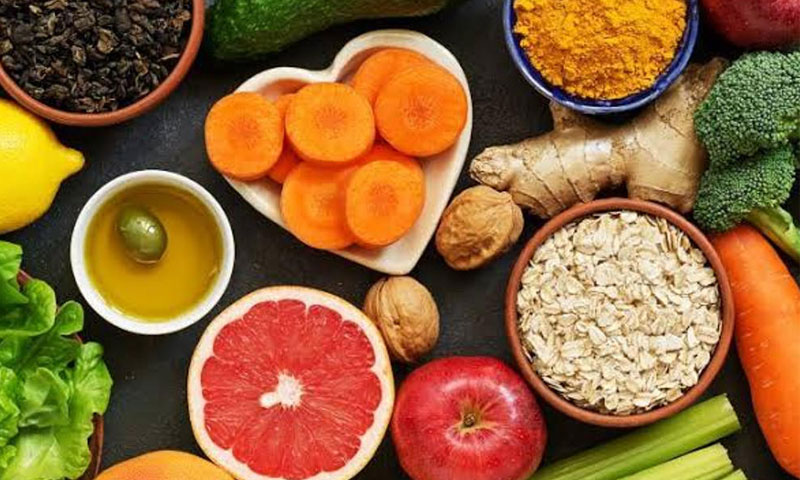
ISLAMABAD: The Food and Agriculture Organisation (FAO) of the United Nations has called for an urgent overhaul of Pakistan’s agrifood system, saying major gaps in the supply of vegetables, fruits, pulses and other nutritious foods are undermining efforts to improve access to healthy diets.
More than 60 per cent of Pakistanis cannot afford a healthy diet, contributing to high rates of malnutrition, while diet-related non-communicable diseases are also rising, the FAO said in a September 2026 policy brief on the country’s food supply.
The UN agency said Pakistan’s food system produces enough calories but has a persistent mismatch between the food available and the quantities required for people to follow a healthy diet in line with the country’s Food-Based Dietary Guidelines (FBDGs).
The assessment examined annual food supply gaps and surpluses across the 10 food groups covered by the national dietary guidelines from 2010 to 2023.
It found large and persistent shortfalls in several nutritious food groups, particularly vegetables, roots and tubers, fruits, and legumes and pulses.
The gap in vegetable supply was particularly pronounced, increasing from an estimated 10.9-17.8 million tonnes in 2010 to 13.0-21.6 million tonnes in 2023, according to the assessment.
The fruit supply gap also widened over the period, from 1.9-10.3 million tonnes in 2010 to 3.9-14.3 million tonnes in 2023.
By contrast, Pakistan has consistently produced more cereals and grains than required for a healthy diet, while the supply of sugar was above recommended levels for most years.
The supply of meat, poultry and eggs also increased substantially, moving from the lower end of estimated dietary requirements in 2010 to a surplus of about 2.5 million tonnes in 2023.
Milk and milk products remained below estimated requirements, although the gap narrowed over the period. The supply of fats and oils also increased from a small shortfall in 2010 to within the estimated requirement range in subsequent years.
Call for policy shift
The FAO said the imbalance between Pakistan’s food supply and dietary requirements meant that simply ensuring sufficient food was no longer enough.
“Enabling equitable access to diverse, nutritious, safe, and affordable foods that support healthy diets is a policy imperative for Pakistan,” the agency said.
It called for coordinated fiscal and regulatory measures, changes in production and trade priorities, stronger food distribution systems, and efforts to reduce post-harvest losses and food waste.
The FAO also recommended updating Pakistan’s food-based dietary guidelines to reflect nutrition, health and environmental priorities and using them to promote nutrition education and behavioural change.
Among the proposed measures are evidence-based taxes on sugar-sweetened beverages and foods high in sugar, salt and unhealthy fats, as well as front-of-pack nutrition labelling to help consumers make informed choices.
The agency urged authorities to restrict the marketing of unhealthy foods, particularly those targeting children, expand nutritious school meal programmes and strengthen social protection schemes to improve access to nutritious foods.
It also called for agricultural policies and investment to be redirected towards increasing production of vegetables, fruits, pulses, roots and tubers, while supporting milk production in areas where it is suitable.
The FAO recommended greater incentives for food processors to meet food safety and quality standards and reformulate products to reduce salt, sugar and unhealthy fats.
Investment in storage facilities, cold chains and market infrastructure was also identified as a priority to reduce food losses and improve the availability of nutritious food.
Population pressure
The FAO warned that Pakistan’s rapidly growing population would put additional pressure on the country’s agrifood system.
The population increased from 189.3 million in 2010 to 235.2 million in 2023 and is projected to reach about 330 million by 2050, according to the assessment.
The agency said population growth, combined with climate change and other pressures, would make it increasingly important to ensure that food systems provide adequate quantities of diverse, nutritious, safe and affordable foods.
Earlier UN-led analysis has similarly found that Pakistan’s food system provides adequate overall food energy but falls short in supplying the diversity of foods required for healthy diets, with significant gaps in fruits, vegetables, pulses and legumes.
The UN Resident Coordinator’s Office has also warned that more than 60 per cent of people in Pakistan cannot afford a healthy diet, while describing the country’s challenge as one of access to diverse and nutritious food rather than simply food availability.
The FAO said transforming the country’s agrifood system could improve access to healthy diets and help address malnutrition and its associated health, economic and social costs.
You May Also Like



- WEB DESK
- October 24, 2026
Malaysia beat Pakistan in shootout to win Sultan of Johor Cup

- Reuters
- October 24, 2026