
- Web Desk
- 55 Minutes ago
UN report warns TTP could evolve into threat beyond the region
-

- Web Desk
- Feb 11, 2026
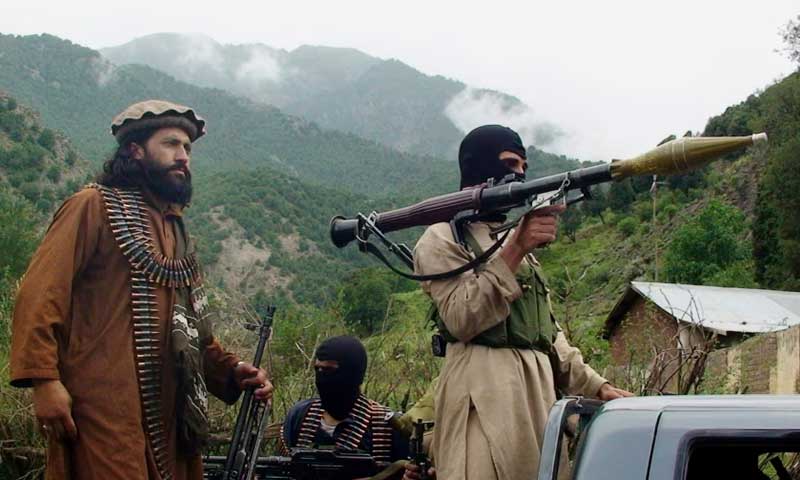
ISLAMABAD: A United Nations Security Council monitoring team has cautioned that the Tehreek-i-Taliban Pakistan (TTP) could evolve into a security threat extending beyond the immediate region, amid concerns over the group’s entrenched presence in Afghanistan.
The assessment is part of the 37th report submitted by the UN’s Analytical Support and Sanctions Monitoring Team, covering developments between July and December 2025. According to Dawn, the document suggests that militant organisations continue to find operating space in Afghanistan, with the TTP described by several member states as enjoying comparatively greater operational flexibility.
Escalation of violence and cross-border impact
The report links this environment to a marked rise in attacks inside Pakistan. More than 3,500 incidents were attributed to the TTP in 2025, with a significant spike recorded in the latter half of the year. The group is portrayed as deeply embedded across Afghanistan’s eastern belt, maintaining influence in provinces along the border.
Estimates shared with the monitoring team place the number of TTP fighters in Afghanistan at roughly 6,000. The report references allegations of access to logistical networks, accommodation facilities and training infrastructure. Although there are indications of debate within Afghan circles over the political costs of hosting the group, it continues to function as a major armed actor based there.
Concerns over transnational ambitions
Beyond the scale of violence, member states voiced apprehension about the direction the group could take. The report notes fears that closer ties between the TTP and Al Qaeda-linked factions may enable more sophisticated planning and broaden the scope of potential targets.
Al Qaeda is described as providing expertise, training and strategic advice to aligned organisations. Diplomats warned that such cooperation could lead to more coordinated structures and shared resources, raising the possibility that threats may no longer remain confined to Pakistan alone.
While no evidence is presented of attacks outside the region at present, the tone of the report reflects mounting international anxiety about the long-term trajectory of these alliances.
Al Qaeda’s evolving strategy
The document also examines the activities of Al Qaeda in the Indian Subcontinent (AQIS), which it says remains active in parts of southeastern Afghanistan. Senior figures linked to AQIS are reportedly based in Kabul, with media operations functioning elsewhere in the country.
Some member states expressed concern that AQIS may be recalibrating its focus toward operations beyond Afghanistan’s borders, potentially operating under different identities to avoid diplomatic fallout.
Islamic State’s regional footprint
The Islamic State’s Khorasan chapter (IS-K) is described as under sustained pressure but far from dismantled. Despite losses from counterterrorism operations, the group is assessed to retain the ability to regroup, recruit and stage high-impact attacks.
Its areas of activity include northern Afghanistan and districts near the Pakistan border. The report highlights the organisation’s use of digital platforms to attract fighters and spread propaganda, noting broader efforts by militant groups to strengthen cyber capabilities.
Member states also flagged reports of cooperation among various armed factions, including shared facilities and coordination between commanders, signalling a fluid and adaptive militant environment that continues to challenge regional security frameworks.
You May Also Like