- Web
- 8 Hours ago
UN Security Council imposes fresh sanctions on top Taliban leaders
-

- Web Desk
- Mar 16, 2026
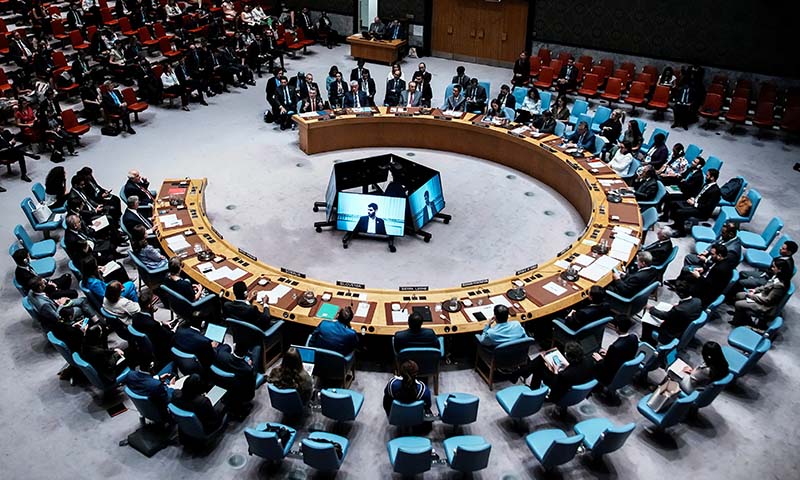
WEB DESK: The United Nations Security Council has significantly tightened its grip on the Taliban leadership, updating its sanctions list to include 22 senior officials currently governing Afghanistan. This high-profile move marks a renewed effort by the international community to hold the de facto administration accountable for its domestic policies and internal security obligations.
Cabinet heavyweights targeted
The updated list reads like a roll-call of the Taliban’s inner circle. Among those now facing stringent restrictions are the Prime Minister, Mullah Mohammad Hassan Akhund, and the Deputy Prime Minister for Economic Affairs, Mullah Abdul Ghani Baradar.
Perhaps most notably, the Interior Minister Sirajuddin Haqqani who already remains on several international watchlists is also featured prominently in the latest update.
The sanctions are not limited to the central leadership; they extend to various ministers and key figures across the administration, reflecting a broad-based approach to diplomatic pressure. By targeting the very individuals who manage the country’s daily affairs, the UN aims to limit the movement and financial reach of those it deems responsible for the current trajectory of the Afghan state.
Strict global restrictions
The measures imposed are comprehensive, designed to isolate the named individuals from the international financial and transport systems. Each of the 22 officials is now subject to a global travel ban, a total asset freeze, and arms restrictions.
These measures are intended to prevent the officials from accessing foreign funds or travelling abroad for diplomatic or personal reasons without specific, pre-approved exemptions from the Sanctions Committee.
The decision follows the recent adoption of Resolution 2816 (2026), which signaled the Security Council’s frustration with the Taliban’s continued restrictions on women’s rights and the lack of an inclusive government.
While the Taliban has previously dismissed such sanctions as “ineffective” and “unjust,” the move places fresh hurdles in the way of their long-standing quest for formal international recognition and the unfreezing of state assets held abroad.
You May Also Like