Understanding Al-Quds Day: a global day of solidarity with Palestine
-

- Web Desk
- 2 Minutes ago
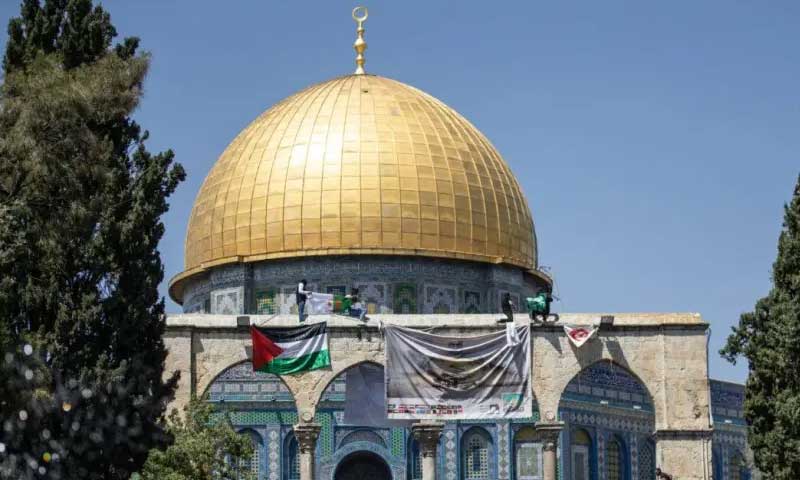
On the last Friday of Ramadan, millions across the world participate in Al-Quds Day, an annual event dedicated to opposing the Israeli occupation of Palestinian territories and expressing solidarity with the Palestinian cause. As the war on Gaza continues, the day holds heightened significance in 2024.
What is Al-Quds Day?
Al-Quds Day, also known as Jerusalem Day, is an international day of protest observed annually on the final Friday of Ramadan. Participants gather at rallies and marches, often held after midday prayers, to voice opposition to Israel’s control over Palestinian lands and its presence in East Jerusalem. The day serves as a unified platform for pro-Palestinian activists worldwide.
Origins and Purpose
The event was established in 1979 by Ayatollah Ruhollah Khomeini, the founder of the Islamic Republic of Iran, shortly after the Iranian Revolution. His intention was to create a symbol of Muslim unity against the occupation of Jerusalem and to champion the rights of the Palestinian people. Over the decades, it has grown into a global movement, transcending its initial origins to become a rallying point for those who view the Palestinian struggle as a fight against oppression. Critics, however, have often characterized the day as a tool used by Iran to project its influence and rally support against its regional adversaries.
The Meaning of “Al-Quds”
The name “Al-Quds” is the Arabic word for Jerusalem, literally translating to “The Holy One.” This name reflects the city’s profound religious significance. For Muslims, it is home to the Al-Aqsa Mosque, the third holiest site in Islam. The city is also sacred to Christians and Jews, making its status a deeply sensitive and emotional issue at the heart of the conflict. Al-Quds Day is therefore not only a political statement but also an assertion of the Islamic heritage of the city.
How the Day is Observed Globally
Al-Quds Day is marked by large, peaceful demonstrations in numerous countries. The most significant gatherings typically occur in nations with strong pro-Palestine sentiments, including Iran, Pakistan, Iraq, Lebanon, and Yemen. Protests are also common in the occupied West Bank and within diaspora communities in Europe and North America.
During these rallies, participants often carry Palestinian flags and banners, chant slogans, and burn effigies of Israeli and American flags. While the vast majority of events are peaceful, the gatherings have occasionally been marred by violence. Notably, in 2010, a suicide bombing claimed by the Pakistani Taliban targeted a procession in Quetta, killing dozens. Furthermore, the day has been used by authorities in Iran to display military hardware, showcasing missiles and drones alongside the civilian marches.
In Western nations, the events often stir debate over free speech. While successive British home secretaries have allowed the marches to proceed, citing the right to peaceful protest, community groups have frequently raised concerns about police tactics and political pressure surrounding the demonstrations.
You May Also Like