- Web Desk
- 9 Minutes ago
US allows sale of Iranian oil to curb rising prices
-

- Web Desk
- 3 Minutes ago
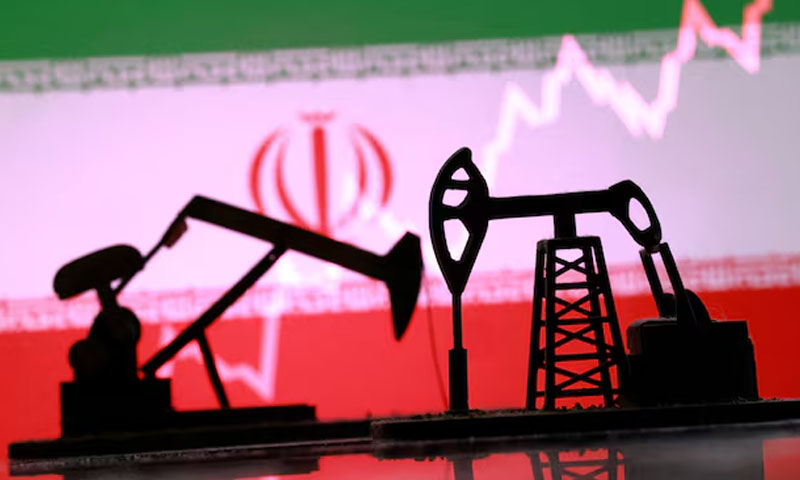
WASHINGTON/DUBAI: The administration of US President Donald Trump has allowed a 30-day waiver for the sale of Iran’s oil held at sea, in a bid to ease soaring global energy prices driven by the ongoing conflict involving the United States and Israel.
The waiver, announced on Friday, will enable the release of around 140 million barrels of Iranian oil into global markets, according to US Treasury Secretary Scott Bessent. The move is aimed at stabilising supply and bringing down prices, which have surged sharply in recent weeks.
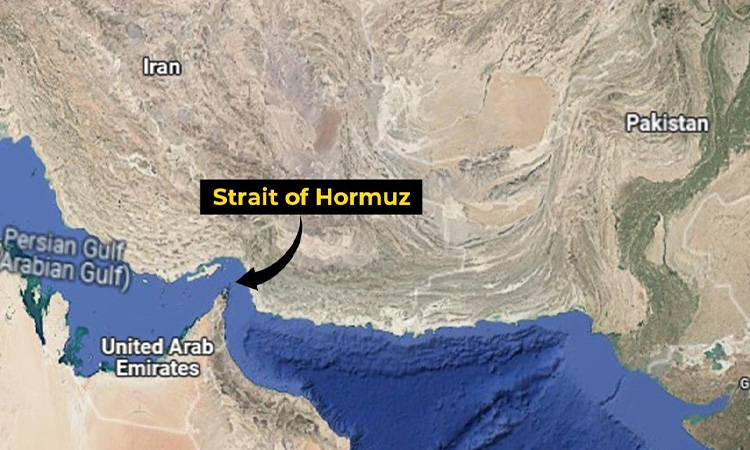
Oil prices have climbed by nearly 50 per cent since the escalation of hostilities on February 28, with attacks targeting key energy infrastructure across Iran and Gulf states. The near closure of the strategic Strait of Hormuz — a critical route for global oil and gas shipments — has further intensified market fears.
Third waiver in weeks
This marks the third sanctions waiver issued by the US in just over two weeks, reflecting growing concern in Washington over the economic impact of rising fuel costs ahead of upcoming elections.
Under the licence, Iranian oil already loaded on tankers can be sold and delivered within 30 days, though it remains unclear whether any shipments will reach the United States, which has largely avoided importing Iranian crude since sanctions were reimposed.
The waiver excludes certain regions, including Cuba, North Korea and Crimea, and will remain in effect until April 19.
Asia likely to benefit
Officials say the move is expected to benefit Asian markets, which are major consumers of Middle Eastern oil. US Energy Secretary Chris Wright said supplies could reach Asia within days and enter markets after refining over the coming weeks.
Before sanctions were tightened in 2018, countries including Japan, India and South Korea were among the largest buyers of Iranian oil. More recently, independent Chinese refiners have continued to purchase discounted Iranian crude.
Pressure on Iran to continue
Despite easing restrictions, Washington says it will maintain pressure on Tehran. Bessent said Iran would face difficulty accessing revenues generated from the sales, as the US continues efforts to restrict its financial channels.
Analysts, however, warn the impact on prices may be limited unless the Strait of Hormuz fully reopens. Some experts say the move indicates Washington may be running out of policy options to stabilise markets during the conflict.
The US has also taken additional steps to ease supply constraints, including temporarily relaxing shipping regulations to allow foreign vessels to transport fuel between US ports.
The conflict has continued to strain global energy markets, with uncertainty persisting over supply routes and the broader economic impact.
You May Also Like