- WEB DESK
- September 17, 2026
US and Iran edge toward preliminary Strait of Hormuz agreement
-

- Reuters
- May 25, 2026
The United States and Iran appear to be moving towards a preliminary agreement aimed at reopening the Strait of Hormuz, with officials on both sides signalling cautious optimism after weeks of indirect negotiations mediated by regional powers, including Pakistan.
According to multiple international media reports, Washington and Tehran have reached an initial understanding that could pave the way for restoring shipping through the crucial waterway in exchange for steps related to Iran’s nuclear programme and sanctions relief. However, senior officials from both countries stressed that the deal remains incomplete and subject to final approval from political leadership.
A US official, quoted by American media outlets, said the proposed framework would require Iran to address concerns surrounding its stockpile of highly enriched uranium while the United States would ease restrictions affecting Iranian ports and shipping activity.
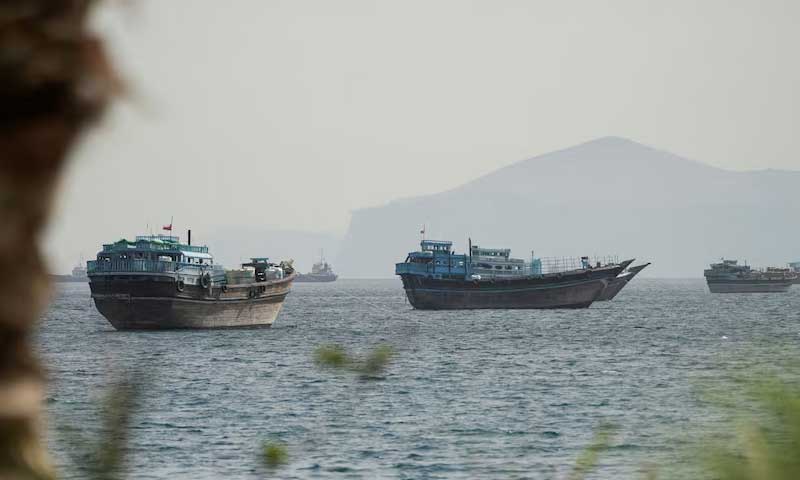
The Strait of Hormuz, one of the world’s most strategically important maritime routes, has remained severely disrupted since the outbreak of conflict involving Iran, the United States and Israel earlier this year. The closure of the passage has rattled global energy markets and heightened fears of broader regional instability.
US President Donald Trump said negotiations were progressing in an “orderly and constructive” manner, but stressed that no final agreement had yet been signed. In a statement posted on Truth Social, Trump said the blockade on Iran would remain in effect until a formal arrangement was completed and verified.
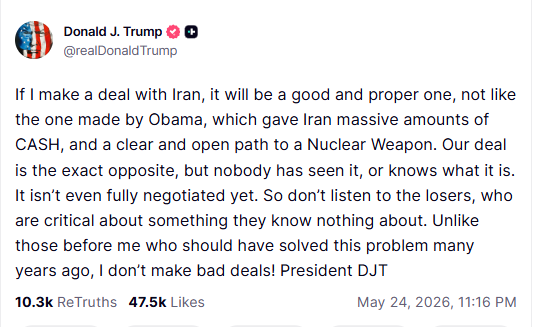
He added that his administration was taking a cautious approach to avoid mistakes during the negotiations and reiterated Washington’s long-standing demand that Iran must never acquire nuclear weapons.
Proposed framework focuses on shipping access and nuclear concerns
Reports from US media indicated that the emerging framework would reopen the Strait of Hormuz without imposing tolls or restrictions on international vessels. American officials reportedly rejected suggestions that Iran would be allowed to charge fees for transit through the strategic waterway.
Under the draft arrangement, Iran would reportedly clear mines and guarantee safe navigation, while the US would suspend restrictions on vessels entering or leaving Iranian ports. Gulf allies and US Central Command would help oversee maritime security during the implementation period.
The proposal is also said to include a temporary ceasefire mechanism lasting around 60 days, creating space for broader negotiations over Tehran’s nuclear programme. Discussions over Iran’s uranium enrichment activities and any potential transfer or disposal of enriched uranium are expected to continue during that period.
However, conflicting accounts have emerged regarding the nuclear component of the talks.
An Iranian official told Reuters that Tehran had not agreed to hand over its enriched uranium stockpile and insisted that the nuclear issue remained outside the scope of the preliminary understanding currently under discussion. Iranian authorities have repeatedly maintained that their nuclear programme is peaceful and compliant with international law.
Iranian President Masoud Pezeshkian said Tehran was prepared to reassure the international community that it was not seeking nuclear weapons, but emphasised that Iran’s “honour and dignity” were non-negotiable.
He also insisted that no major decision would be taken without approval from Supreme Leader Mojtaba Khamenei and the country’s Supreme National Security Council.
Meanwhile, US Secretary of State Marco Rubio said “significant progress” had been made toward an outline agreement that could reopen the strait and address concerns linked to Iran’s nuclear ambitions.
Speaking in New Delhi, Rubio said the preferred American approach remained diplomatic, although he cautioned that details still needed to be finalised and implemented fully by Tehran.
Pakistan emerges as key mediator in diplomatic push
Pakistan has played a major role in facilitating the ongoing talks, with Prime Minister Shehbaz Sharif confirming that Islamabad hoped to host another round of negotiations “very soon”.
In a statement posted on X, the premier said regional leaders had held productive discussions with Trump regarding efforts to de-escalate tensions and restore stability in the Middle East.
Sharif also praised Chief of Army Staff Field Marshal Asim Munir for his involvement in the mediation process, saying Pakistan would continue supporting peace efforts with sincerity and commitment.
Foreign Minister Ishaq Dar similarly described the diplomatic outreach as a major step toward regional peace and credited Pakistan’s leadership for helping bring the parties closer to a possible settlement.
Several regional leaders, including officials from Saudi Arabia, Qatar, Turkiye, Egypt and the United Arab Emirates, have publicly backed the diplomatic initiative.
Saudi Arabia said Crown Prince Mohammed bin Salman joined a joint call with Trump and regional leaders to discuss efforts aimed at halting escalation and strengthening regional security.
European leaders also welcomed signs of progress. European Commission President Ursula von der Leyen said any agreement should guarantee unrestricted navigation through the Strait of Hormuz while preventing further escalation in the region. British Prime Minister Keir Starmer also echoed those sentiments, stressing the importance of achieving a long-term diplomatic settlement.
Israel seeks security guarantees as tensions remain high
Despite optimism surrounding the talks, tensions in the region remain elevated.
Israeli Prime Minister Benjamin Netanyahu reportedly told Trump that Israel would retain freedom of action against security threats across the region, including in Lebanon.
An Israeli official told Reuters that Netanyahu emphasised Israel’s right to respond militarily if threats emerged from groups such as Hezbollah during any ceasefire arrangement.
Iranian media outlets, meanwhile, accused Washington of sending contradictory signals during the negotiations. Tehran also criticised Rubio’s recent remarks on energy security and Iran’s nuclear activities, describing them as attempts to distort realities in the region.
Separately, Iranian state-linked media reported that the country’s air defences had shot down an Israeli surveillance drone over Hormozgan province, though Israel did not immediately comment on the claim.
While negotiators appear closer to a breakthrough than at any point since the conflict began earlier this year, officials on all sides acknowledged that significant obstacles remain before a final agreement can be signed and implemented.