- Web
- 7 Hours ago
US and Iran ‘in direct contact’ for first time since outbreak of war
-

- Web Desk
- Mar 17, 2026
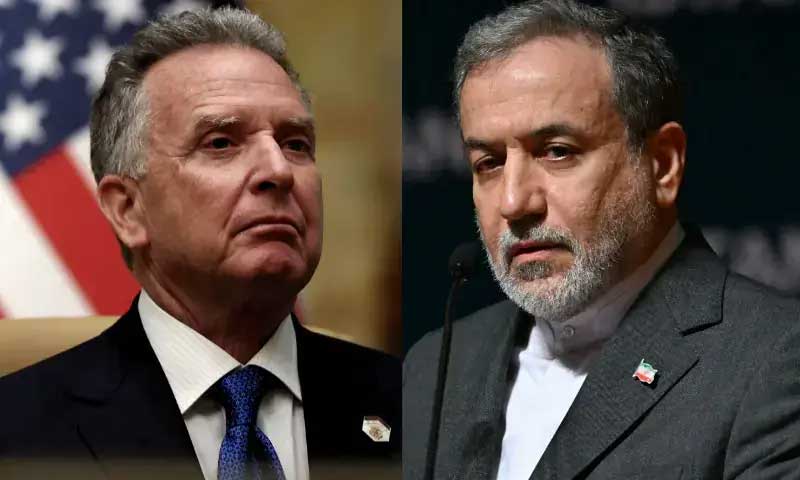
WEB DESK: Reports have emerged of the first direct diplomatic contact between the United States and Iran since the start of the current conflict, suggesting a tentative search for a ceasefire despite a backdrop of intensive military strikes.
According to Axios, US Special Envoy Steve Witkoff and Iranian Foreign Minister Abbas Araghchi have reportedly resumed communication via text messages.
The exchange marks a significant shift in the crisis, which began on 28 February with joint US-Israeli strikes. Sources claim the messages, though exploratory, focused specifically on pathways to end the war. However, the nature of this outreach is shrouded in contradiction, with both Washington and Tehran publicly downplaying the engagement to maintain their respective domestic and strategic postures.
Conflicting accounts of the ‘text diplomacy’
The narrative of who initiated the contact remains a point of sharp contention. A US official suggested that it was Mr Araghchi who attempted to engage, while asserting that the US “is not talking” to Tehran in any formal capacity. Conversely, Drop Site News cited Iranian officials claiming that Mr Witkoff had been sending messages which the Foreign Minister was pointedly ignoring.
In a robust denial posted on X, Mr Araghchi dismissed the reports as “delusional” and a tactic designed to “mislead oil traders and the public.” He insisted his last contact with the US envoy took place before the “illegal military attack” on Iran. ‘
Despite these official rebuttals, President Donald Trump appeared to confirm some level of activity on Monday, stating, “They want to make a deal, they are talking to our people,” though he expressed uncertainty over whether those reaching out were authorised to negotiate.
Diplomacy in a time of total war
The reported contact comes at a moment of extreme regional peril. Operation Epic Fury has resulted in the death of former Supreme Leader Ali Khamenei, and the subsequent closure of the Strait of Hormuz has sent global energy markets into a tailspin.
Analysts suggest that the significance of the Witkoff-Araghchi channel lies in its direct nature, potentially bypassing traditional intermediaries such as Oman or Qatar.
While the Iranian leadership remains fractured following the recent strikes, the existence of a direct line however fragile indicates that neither side has entirely abandoned the prospect of a negotiated settlement.
For now, the “text diplomacy” represents the only known crack in a conflict that has otherwise seen over 7,000 targets struck across Iran and retaliatory strikes on US assets throughout the Middle East.
You May Also Like