- Web
- Mar 18, 2026
US celebrates Martin Luther King Jr day: A look at his life, legacy
-

- Web
- Jan 19, 2026
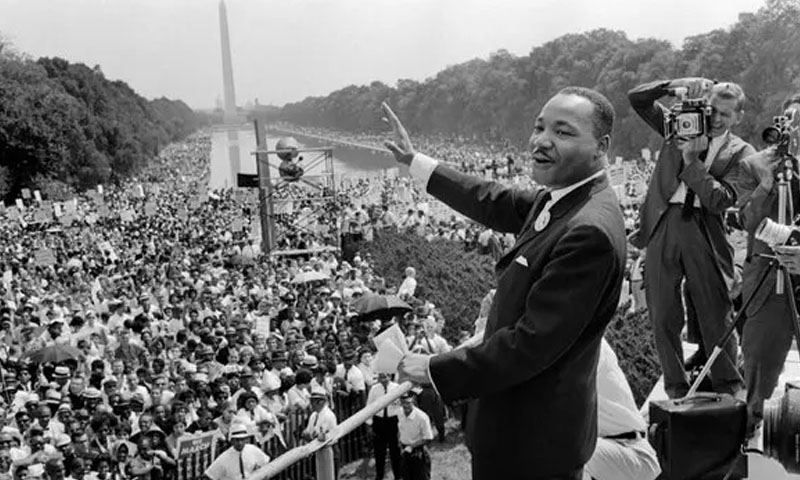
WASHINGTON: The United States on Monday marked Martin Luther King Jr Day, honouring the life and legacy of the civil rights leader whose struggle for racial justice, economic equality and human dignity continues to shape the nation decades after his death.
This year’s observance carries added significance, marking 40 years since King’s birthday was designated a federal holiday. Across the country, events focused on service, reflection and calls to action, underscoring that King’s work remains unfinished.
In Memphis, where King spent his final days supporting striking sanitation workers in 1968, community leaders emphasised remembrance over celebration. “This isn’t about a celebration, but a commemoration for the ongoing work,” said Rev. Keith Caldwell, president of the Memphis Interfaith Coalition for Action and Hope.
King came to Memphis at the request of civil rights leader Rev. Jim Lawson, lending his voice to workers demanding fair wages and dignity. The night before his assassination, King spoke at Centenary United Methodist Church, reinforcing his belief that justice required collective sacrifice and moral courage.
In the final years of his life, King broadened his message beyond racial equality, condemning what he called the “triplet evils” of racism, poverty and militarism. In his 1967 speech “The Other America,” King argued that generations of discrimination had left Black Americans “bootless,” rejecting claims that they could simply lift themselves through individual effort without systemic change. He called for shared political power and economic reforms, including policies to address entrenched inequality.
Today, King’s warnings remain relevant. Despite progress in representation and civil rights, racial gaps persist in income, employment, health and political power, particularly in Southern states like Alabama. Advocates argue that true democracy remains elusive.
King also believed education was central to justice. In his 1947 essay “The Purpose of Education,” he wrote that “intelligence plus character” was the goal of true learning, a message echoed by schools and institutions commemorating the day.
More than half a century after his death, King’s legacy endures not only in speeches and memorials, but in the ongoing struggle for equality he championed. As communities across the US pause to honour his life, many echo King’s own words, who said that social progress does not arrive on its own, as it demands persistent, collective action.
You May Also Like