- Web Desk
- 4 Minutes ago
US-Iran nuclear talks scheduled for Friday in Oman as mediators push new framework
-

- Web Desk
- Feb 05, 2026
WEB DESK: In a high-stakes diplomatic maneuver to pull the region back from the brink of conflict, the United States and Iran have officially agreed to resume high-level nuclear negotiations in Muscat, Oman, on Friday.
The announcement, confirmed by Iranian Foreign Minister Abbas Araghchi, comes after days of intense behind-the-scenes bargaining over the venue and scope of the discussions. While a previous proposal suggested Turkey as the host, Tehran reportedly pushed for the Omani capital a traditional site for back-channel diplomacy to keep the talks strictly bilateral and focused on the nuclear file.
A New Framework for De-escalation
Regional mediators from Qatar, Turkey, and Egypt have presented Washington and Tehran with a new framework of core principles designed to bridge the widening trust deficit and revive stalled diplomacy. Diplomatic sources say the proposal outlines a step-by-step roadmap that begins with the nuclear file, specifically addressing Iran’s 60 percent enriched uranium stockpile and mechanisms for international monitoring.
A key sticking point remains the format of the talks: Iran has called for a narrow, bilateral focus strictly on the nuclear issue, while the Trump administration continues to press for a broader agreement. To prevent an early breakdown in negotiations, mediators are reportedly examining innovative ways to defer contentious non-nuclear issues such as ballistic missiles and regional militias to later phases, allowing initial confidence-building measures to take hold.
High-Stakes Presence
The Friday meeting is expected to bring together US Special Envoy Steve Witkoff and Iranian Foreign Minister Araghchi. The White House confirmed its participation but remains “very skeptical” of a breakthrough, citing Iran’s recent domestic crackdown and military posture as significant hurdles.
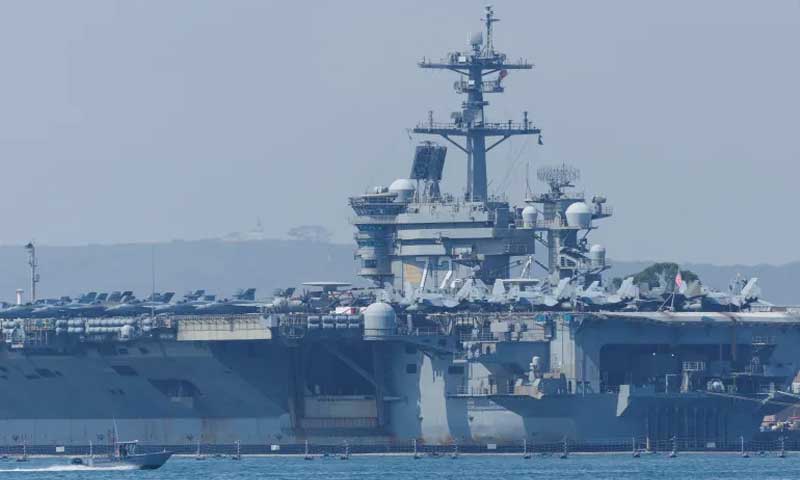
The meeting is seen by many as a “last-chance” diplomatic effort. President Donald Trump has recently warned that the Iranian leadership should be “very worried” if negotiations fail, especially as a massive buildup of US naval and airpower remains stationed in the region.
The Diplomatic Tug-of-War
The central point of contention remains the scope of the negotiating agenda, with both sides holding firmly to opposing positions. Iran maintains that the talks must be strictly limited to nuclear assurances and sanctions relief, arguing that its ballistic missile program is a non-negotiable element of national defense.
In contrast, the United States, through Secretary of State Marco Rubio, has reiterated that any meaningful agreement must also address Tehran’s sponsorship of regional proxies and the full range of its ballistic missile capabilities. Reflecting this divide, a source from Iran’s Foreign Ministry said the country is prepared to negotiate within a clearly defined framework based on mutual respect, but warned that the insistence on what it views as excessive demands beyond the nuclear file remains the primary obstacle to progress and risks pushing the talks into deadlock.
Global Context
The talks coincide with a period of extreme regional volatility. With Israel and the US having engaged in military strikes against Iranian targets as recently as last summer, and Iran facing internal unrest, the Muscat summit represents the most significant attempt at direct engagement in years.
Oman, which has successfully brokered prisoner swaps and nuclear “understandings” in the past, once again finds itself at the heart of global security efforts.
You May Also Like