- WEB DESK
- September 14, 2026
US-Iran peace deal gains momentum as Pakistan pushes for permanent truce
-

- WEB DESK
- May 7, 2026
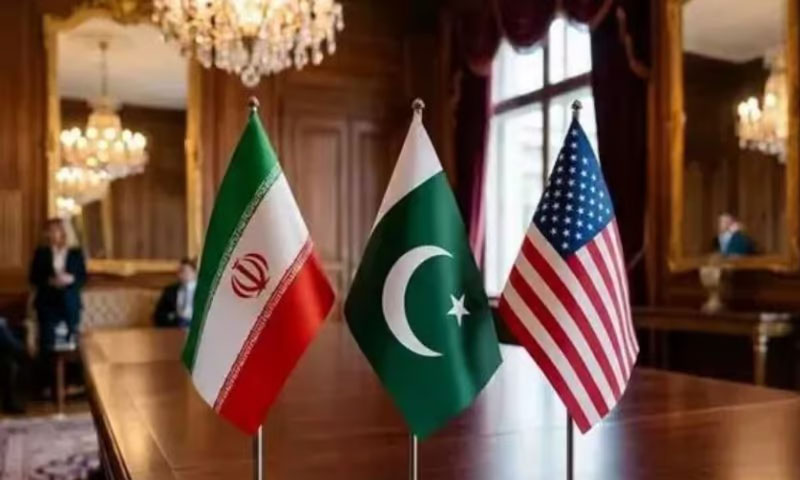
Diplomatic efforts to end the conflict between the United States and Iran appeared to gather momentum on Wednesday, as Tehran confirmed it was reviewing a US-backed proposal for a broader peace agreement while Pakistan intensified its role as a mediator seeking to turn a fragile ceasefire into a permanent truce.
According to reports from US media outlet Axios, Washington and Tehran may be nearing agreement on a 14-point memorandum of understanding that could pave the way for formal negotiations over Iran’s nuclear programme and regional security. The proposed framework reportedly includes a suspension of Iranian uranium enrichment, the lifting of economic sanctions, and the restoration of free navigation through the Strait of Hormuz, a vital global energy route disrupted by months of fighting.
Iranian Foreign Ministry spokesperson Esmail Baghaei said Tehran was still examining the American proposal and would communicate its response through Pakistani mediators. However, divisions within Iran’s leadership remained visible. Ebrahim Rezaei, spokesperson for the Iranian parliament’s national security commission, dismissed the reported framework as little more than an American “wish list” and warned that Iran remained prepared for further military confrontation if negotiations failed.
US President Donald Trump struck a cautiously optimistic tone, saying Washington had held “very good talks” with Iran over the past 24 hours and suggesting a deal was possible. At the same time, he warned Tehran that failure to reach an agreement could lead to renewed military action at a greater intensity than before. Trump also reiterated claims that Iran had agreed not to pursue nuclear weapons, though Tehran has not publicly confirmed such assurances.
The conflict has severely disrupted maritime trade in the Gulf region. Iran has effectively blockaded the Strait of Hormuz since US and Israeli strikes began in February, sharply reducing shipping traffic through a corridor that normally carries around 20 percent of the world’s oil and liquefied natural gas supplies. Washington recently paused “Project Freedom,” a naval initiative designed to escort stranded vessels through the Gulf, while the Iranian Revolutionary Guard signalled the waterway could reopen if threats against Iran ceased.
Pakistan has emerged as a central diplomatic player in the crisis. Speaking in Islamabad at the 6th International Paigham-e-Islam Conference, Foreign Minister Ishaq Dar said Pakistan had worked continuously to extend the ceasefire and facilitate direct negotiations between Washington and Tehran – the first such talks in nearly five decades.
Prime Minister Shehbaz Sharif said the successful mediation reflected growing international confidence in Pakistan’s diplomatic role and described the country as an important force for regional peace and stability. He credited Islamabad with persuading both sides to attend talks held in the Pakistani capital last month.
Meanwhile, tensions across the wider Middle East remain high. Israeli Prime Minister Benjamin Netanyahu said Israel and the United States were in “full coordination” regarding Iran and insisted that dismantling Tehran’s nuclear capabilities remained a shared objective. His comments came as Israel carried out a strike in Beirut targeting a senior Hezbollah commander, underscoring the continuing volatility in Lebanon despite an earlier ceasefire agreement between Israel and the Iranian-backed group.
You May Also Like


- WEB DESK
- September 14, 2026
Petrol price rises by Rs4.42, diesel by Rs6.10 per litre

- WEB DESK
- September 14, 2026