- Web Desk
- 26 Minutes ago
US-Iran talks in Pakistan loom large, but key sticking points remain
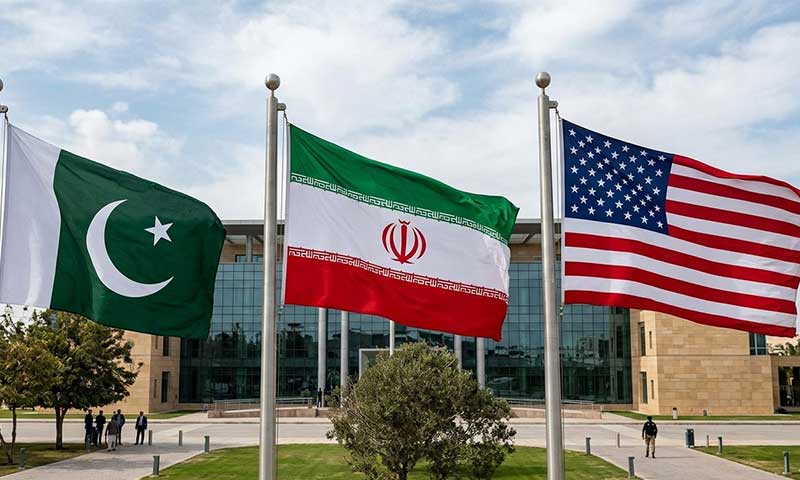
As the United States and Iran prepare to sit across the table in Pakistan, hopes for de-escalation are colliding with deep-rooted divisions that could prove difficult to overcome.
The planned talks, facilitated by Islamabad, follow a fragile ceasefire, with US President Donald Trump describing Tehran’s proposals as a “basis” for dialogue. Yet beneath that cautious optimism lies a wide gulf between what each side wants, raising questions about whether a lasting agreement is within reach.
Wide gaps define US-Iran negotiating positions
At the centre of the talks are two competing frameworks: a 10-point proposal from Tehran and a previously outlined 15-point plan from Washington. Early indications suggest limited overlap.
Iran has insisted on its right to continue uranium enrichment, a demand the United States has repeatedly rejected as non-negotiable. Similarly, Tehran has made clear that its missile programme, long a point of concern for both Washington and Israel, is not open for discussion.
On the other hand, the US position has focused on rolling back Iran’s nuclear capabilities, restricting its ballistic missile programme, and curbing its regional influence. These demands strike at the core of Iran’s strategic posture, making compromise difficult.
The scope of the conflict has also shifted. While earlier negotiations centred on nuclear and missile issues, the Strait of Hormuz has now emerged as a critical flashpoint. The narrow waterway, a vital corridor for global energy supplies, has been effectively disrupted during the conflict, sending oil prices soaring and rattling international markets.
Iran has indicated it may seek to retain control over the strait and potentially impose transit fees under any long-term deal, a proposal that is likely to face resistance from Washington and its allies.
Despite agreeing to a temporary ceasefire, there is little clarity on whether Iran will fully reopen the passage or under what conditions, adding another layer of complexity to already strained negotiations.
Pakistan’s role and the uncertain path to peace
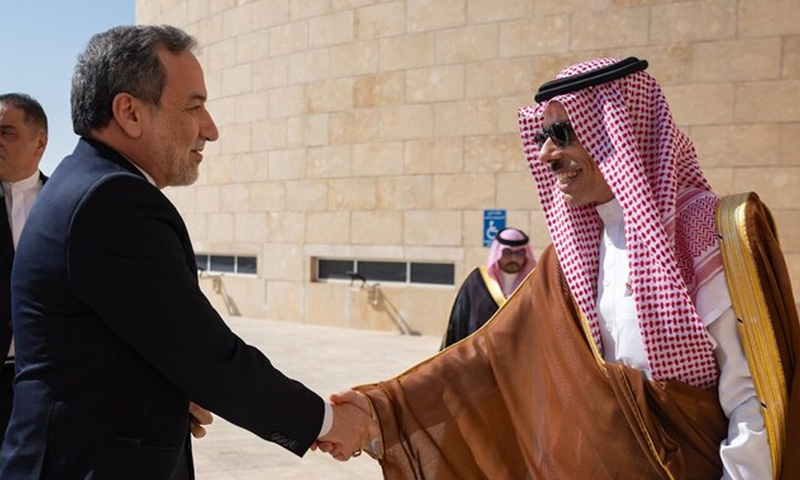
Amid these tensions, Pakistan has emerged as a key diplomatic intermediary, hosting talks and facilitating communication between the two adversaries. Its role has been critical in securing the initial ceasefire and bringing both sides to the negotiating table.
However, Islamabad’s task is far from straightforward. The lack of trust between Washington and Tehran, combined with sharply conflicting demands, means that even small breakthroughs could prove difficult.
Complicating matters further is the position of Israel, which continues its military operations against Hezbollah in Lebanon. While the US and Israel maintain that the ceasefire applies only to Iran, Tehran has insisted that any broader agreement must include a halt to hostilities in Lebanon. This disagreement threatens to undermine the fragile truce.
For Washington, the stakes remain high. Despite declaring progress, the US has yet to achieve several of its stated war objectives, including dismantling Iran’s nuclear capabilities and limiting its regional reach. Iran, meanwhile, appears willing to leverage its strategic advantages, particularly its influence over the Strait of Hormuz, to resist major concessions.
Trump has warned that US military assets will remain in place and signalled the possibility of renewed escalation if talks fail, underscoring the fragile nature of the current pause.
As negotiations loom, the central question remains whether diplomacy can bridge the divide between two entrenched positions. While the ceasefire has created a window for dialogue, the path to a lasting settlement remains uncertain, shaped as much by geopolitical realities as by the willingness of both sides to compromise.
You May Also Like