- Web
- 7 Hours ago
US-Iran war: Strait of Hormuz blocked, oil prices shoot up, supply shortage feared
-

- Web Desk
- 1 Minute ago
Global energy markets jolted Sunday night after the United States and Israel carried out coordinated strikes on Iran, sending oil prices sharply higher and stock futures lower in the first round of trading following the attacks.
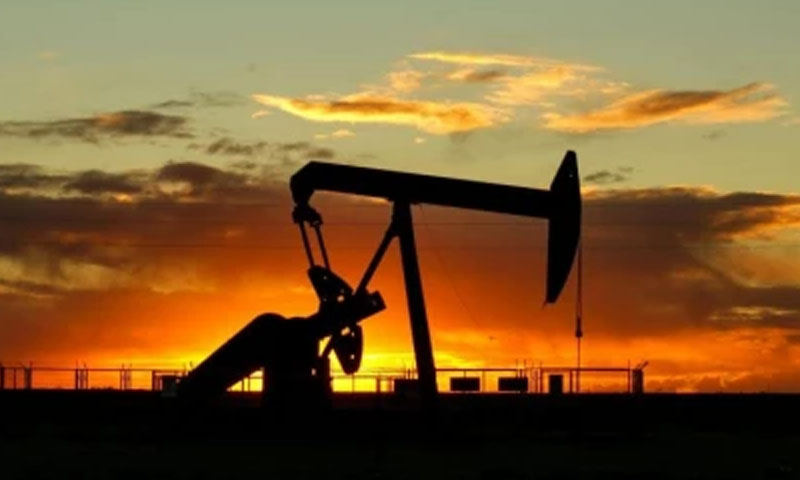
US crude futures jumped roughly 8 per cent, climbing about $5 to trade near $72 a barrel shortly after markets opened. The international benchmark, Brent crude, briefly spiked more than 12 per cent to around $82 before easing back to just under $80. On Friday, Brent had settled slightly above $73 a barrel.
Equity markets moved in the opposite direction. Futures tied to the S&P 500, the Nasdaq and the Dow each slid about 1 per cent. Energy companies bucked the broader downturn, however, with shares of Exxon and Chevron rising roughly 2 per cent in futures trading. Defense contractors, including Northrop Grumman and Lockheed Martin, also posted modest gains.
Despite the dramatic initial surge, analysts noted that much of the oil rally had been anticipated. Prices had already been climbing in recent days as investors braced for a possible strike on Iran. For now, traders appear to be betting that any supply disruption will be limited in scope and duration, even as President Donald Trump suggested the conflict could stretch on for weeks.
Still, the outlook remains highly uncertain. Analysts warn that a prolonged war, major damage to oil infrastructure or the shutdown of key shipping lanes could push crude prices toward $100 a barrel or beyond. Such a spike would likely drive gasoline prices sharply higher, intensifying cost-of-living pressures for consumers.
IRAN’S CENTRAL ROLE IN GLOBAL OIL
Iran holds some of the world’s largest proven oil reserves – ranking third globally, according to OPEC – and is a significant exporter, particularly to China. Its geographic position also gives it influence over one of the most critical oil transit routes on the planet.
In a move announced early Sunday, OPEC and its allies said they would increase collective output by 206,000 barrels per day after previously pausing gradual production hikes. The group had already added 137,000 barrels per day in the fourth quarter. While the additional supply may help cushion the market, energy experts cautioned that the increases are unlikely to fully offset major disruptions if the conflict escalates.
THE STRAIT OF HORMUZ IN FOCUS
At the heart of investor concerns is the Strait of Hormuz, a narrow waterway along Iran’s southern coast that serves as a primary shipping corridor for crude from producers such as Saudi Arabia and Kuwait. Roughly 20 million barrels of oil – about one-fifth of daily global supply – pass through the strait each day, according to the US Energy Information Administration, which describes it as a critical chokepoint.
Iran has previously threatened to close the strait during periods of heightened tension with Western nations. During a brief confrontation with Israel last year, Goldman Sachs estimated that a prolonged disruption in the waterway could send oil prices above $100 per barrel.
Energy analysts say an outright closure would trigger a global energy crisis. Another major concern is the vulnerability of Saudi Arabia’s production facilities. A repeat of the 2019 attack on the Abqaiq processing plant – which temporarily knocked out a significant portion of Saudi output – could have severe and lasting consequences, particularly because some of the specialized equipment required for repairs is not easily replaced.
ASIA’S EXPOSURE AND GLOBAL RIPPLE EFFECTS
Asian economies, especially China and India, would be among the hardest hit by any disruption in the Strait of Hormuz. A scramble by major importers to secure alternative supplies could drive global prices higher.
Even if the impact were limited to Iranian exports alone, the effects would likely be felt worldwide. Oil is traded globally, meaning supply losses in one region tend to lift prices everywhere as buyers compete for replacement barrels.
China, which relies heavily on Iranian crude, would be forced to seek alternative sources, potentially intensifying competition in already tight markets.
GASOLINE PRICES POISED TO CLIMB
As the world’s sixth-largest oil producer, Iran’s involvement in an extended conflict raises the prospect of higher fuel costs and renewed inflationary pressure.
Analysts say wholesale gasoline prices could jump by as much as 25 cents immediately, with retail prices potentially rising 5 to 10 cents per day in the short term. Nationally, gasoline has averaged $2.98 per gallon, according to the American Automobile Association – a level that had dipped below $3 for the first time in four years late last year.
The Trump administration has highlighted falling fuel prices as an economic achievement, but escalating tensions in Iran threaten to reverse that trend.
Markets have reacted sharply to similar flare-ups before. When Israel launched strikes on Iran last June, Brent crude recorded its largest single-day gain since March 2022, climbing further after the United States joined the conflict before retreating once a ceasefire was declared.
For now, investors are watching closely to see whether the latest escalation proves brief – or marks the start of a more disruptive chapter for global energy markets.
You May Also Like