- Web
- 15 Minutes ago
US military options against Iran include targeting leaders: officials
-

- Web Desk
- Feb 20, 2026
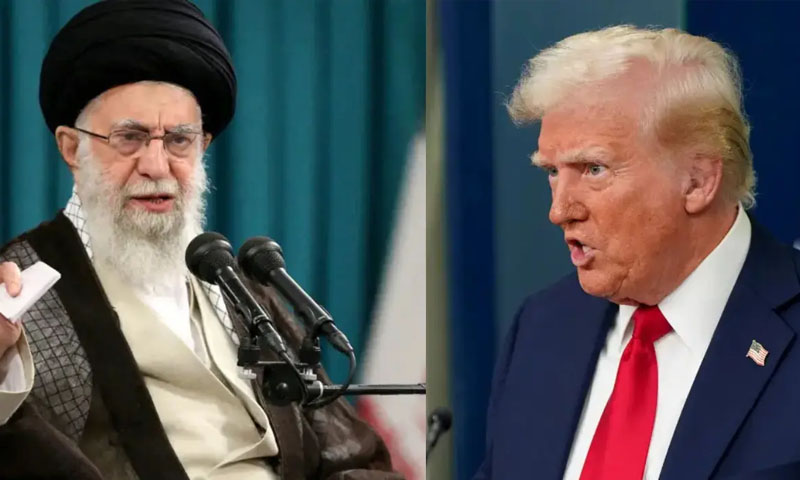
WASHINGTON: The United States has advanced military plans targeting Iran, including the possibility of striking individual leaders and pursuing regime change, officials told Reuters, as President Donald Trump continues to weigh his options.
US officials, speaking on condition of anonymity due to the sensitivity of the operations, said the planning comes as part of a broader strategy in case diplomatic efforts fail.
Last week, Reuters reported that the military is preparing for a potential weeks-long campaign that could hit Iranian security facilities and nuclear infrastructure.
The officials did not provide details on which Iranian leaders could be targeted or how regime change could be carried out without a major ground deployment. Trump has in recent days publicly discussed the idea of changing Iran’s government, stating that it “seems like that would be the best thing that could happen,” without naming potential successors.
Military capabilities and precedents
Trump has assembled a significant military presence in the Middle East, including warships, fighter jets, and support from U.S.-based bombers. In his first term, he approved a 2020 strike that killed Qassem Soleimani, the commander of Iran’s Quds Force. The Islamic Revolutionary Guard Corps (IRGC) was formally designated a foreign terrorist organization by the Trump administration in 2019, the first time the U.S. applied the label to another nation’s military.
One U.S. official cited Israeli strikes last year, during a 12-day conflict with Iranian-linked targets, as an instructive example. At least 20 senior Iranian commanders were reportedly killed, including Mohammad Bagheri, highlighting the potential effectiveness of targeting leaders involved in command and control.
The official cautioned, however, that precision strikes require detailed intelligence to locate individuals and assess risks to others nearby.
Regime change and diplomacy
Trump has in recent weeks also turned to special operations forces for targeted missions, such as an attempt to remove Venezuela’s President Nicolas Maduro, signalling a preference for limited-force approaches to regime change.
At the same time, he has left room for diplomacy, warning that “really bad things” could happen if no deal is reached and giving a window of roughly 10–15 days before potential military action.
Iran has warned it would respond decisively to any U.S. strike and could target American military bases across the Middle East, where the US has forces in Jordan, Kuwait, Saudi Arabia, Qatar, Bahrain, the UAE and Turkey. T
ehran has previously threatened to close the Strait of Hormuz, through which nearly a fifth of global oil shipments pass, if attacked.
Iranian and US negotiators met earlier this week, with Iranian Foreign Minister Abbas Araqchi saying they agreed on “guiding principles.” White House Press Secretary Karoline Leavitt later said differences remain on key issues.
Officials warned that any U.S. strike could trigger Iranian retaliation, raising the risk of American casualties and wider regional conflict.
The threats have already affected global energy markets, with oil prices rising and Russian warships participating in Iranian naval drills in the Gulf of Oman, a key shipping route.
You May Also Like

- Web
- 2 Hours ago
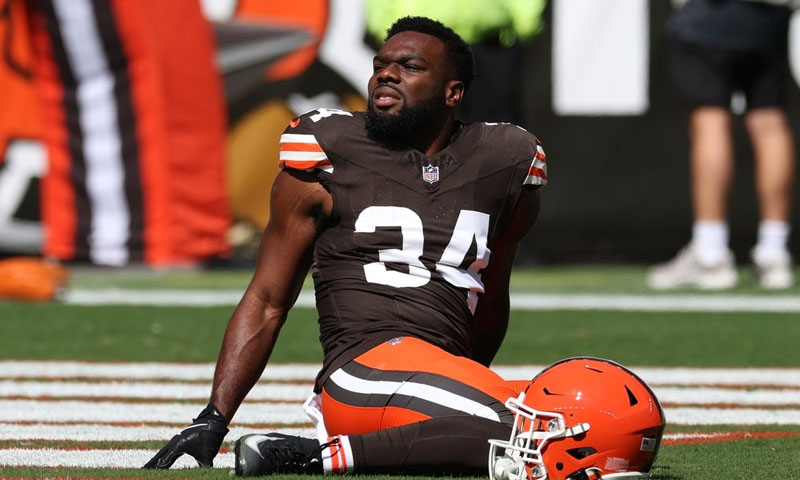
Commanders sign RB Jerome Ford to 1‑year deal
