US orders fresh Marine deployment to Middle East as Hormuz crisis deepens

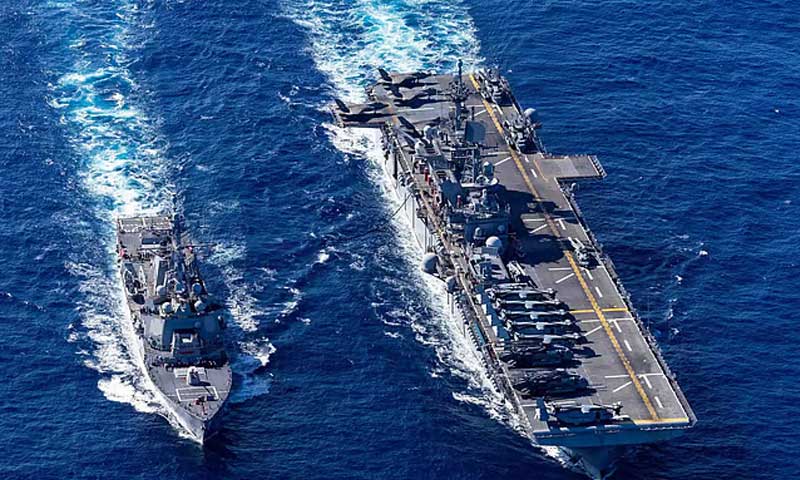
WASHINGTON/DUBAI: The United States is reinforcing its military presence in the Middle East, with thousands of additional Marines and an amphibious assault ship being sent to the region as the conflict involving the US, Israel and Iran enters a more volatile phase. Reuters, citing US officials, reported that around 2,500 Marines will deploy alongside the USS Boxer and accompanying warships, adding to an already heavy American military footprint in the area.
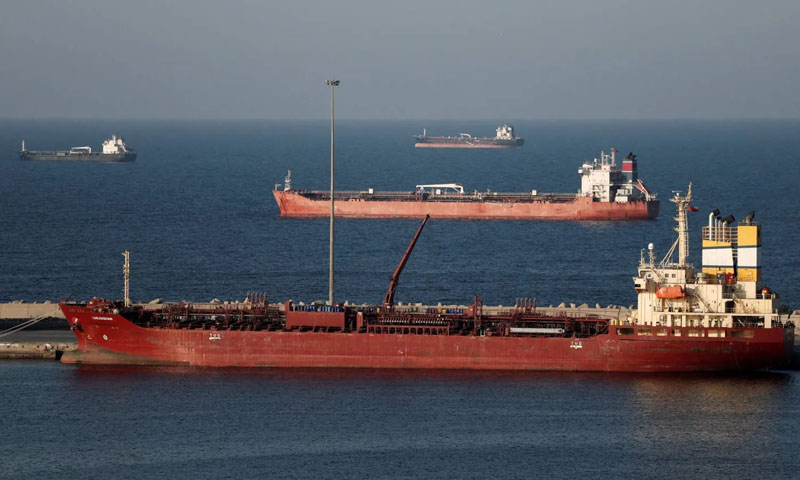
The move comes against the backdrop of an increasingly dangerous standoff around the Strait of Hormuz, the narrow waterway that carries roughly a fifth of the world’s oil and liquefied natural gas supplies. Shipping through the route has been severely disrupted since the war began on February 28, pushing up energy prices and heightening fears of a broader economic shock. Reuters reported that crude prices have surged sharply since the fighting started, while attacks on energy infrastructure in Iran and neighbouring Gulf states have added to market anxiety.
In an effort to ease pressure on global energy markets, the Trump administration has also moved to temporarily relax sanctions on Iranian oil already stranded at sea, allowing the sale of 140 million barrels. That step reflects growing concern in Washington over the economic fallout of the war, particularly as higher fuel prices begin to bite politically at home.
Reinforcements sent as conflict widens
The new deployment signals that Washington wants greater military flexibility even as officials stop short of announcing a decision to send ground forces into Iran. Reuters said there has been no final call on a direct troop mission inside Iranian territory, though possible objectives under discussion in earlier reporting included securing parts of Iran’s coastline or strategic facilities tied to oil exports.
At the same time, the battlefield has widened. Israeli forces said they carried out fresh strikes on Tehran and central Iran, targeting weapons production and missile-related infrastructure, while Iran launched new retaliatory attacks. Reuters also reported that Kuwait’s state oil company said the Mina Al-Ahmadi refinery was hit by multiple drone strikes, underscoring the spillover risk to Gulf energy installations beyond Iran itself.
Public opinion in the United States appears deeply uneasy about where this could lead. According to a Reuters/Ipsos poll cited in the same report, nearly two-thirds of Americans believe President Donald Trump will eventually order troops into a larger ground war, while only 7 per cent support such a move.
Allies hesitate as Washington presses for support
The latest deployment also comes amid frustration in Washington over allied reluctance to join any effort to reopen the Strait of Hormuz by force. Trump has publicly criticised NATO allies for holding back, while several partner governments have said their support for securing the waterway would depend on a halt in fighting first. Reuters reported that Germany and France have both linked any participation in Hormuz operations to a ceasefire, highlighting the diplomatic strain caused by a war many allies say they were not consulted on in advance.
For now, the arrival of more Marines and warships suggests the United States is preparing for a longer and potentially more dangerous phase of the conflict, even as the White House continues to send mixed signals about whether it wants escalation, containment or an eventual drawdown. With oil markets under pressure, allies divided and military options still open, the region remains on edge.
You May Also Like